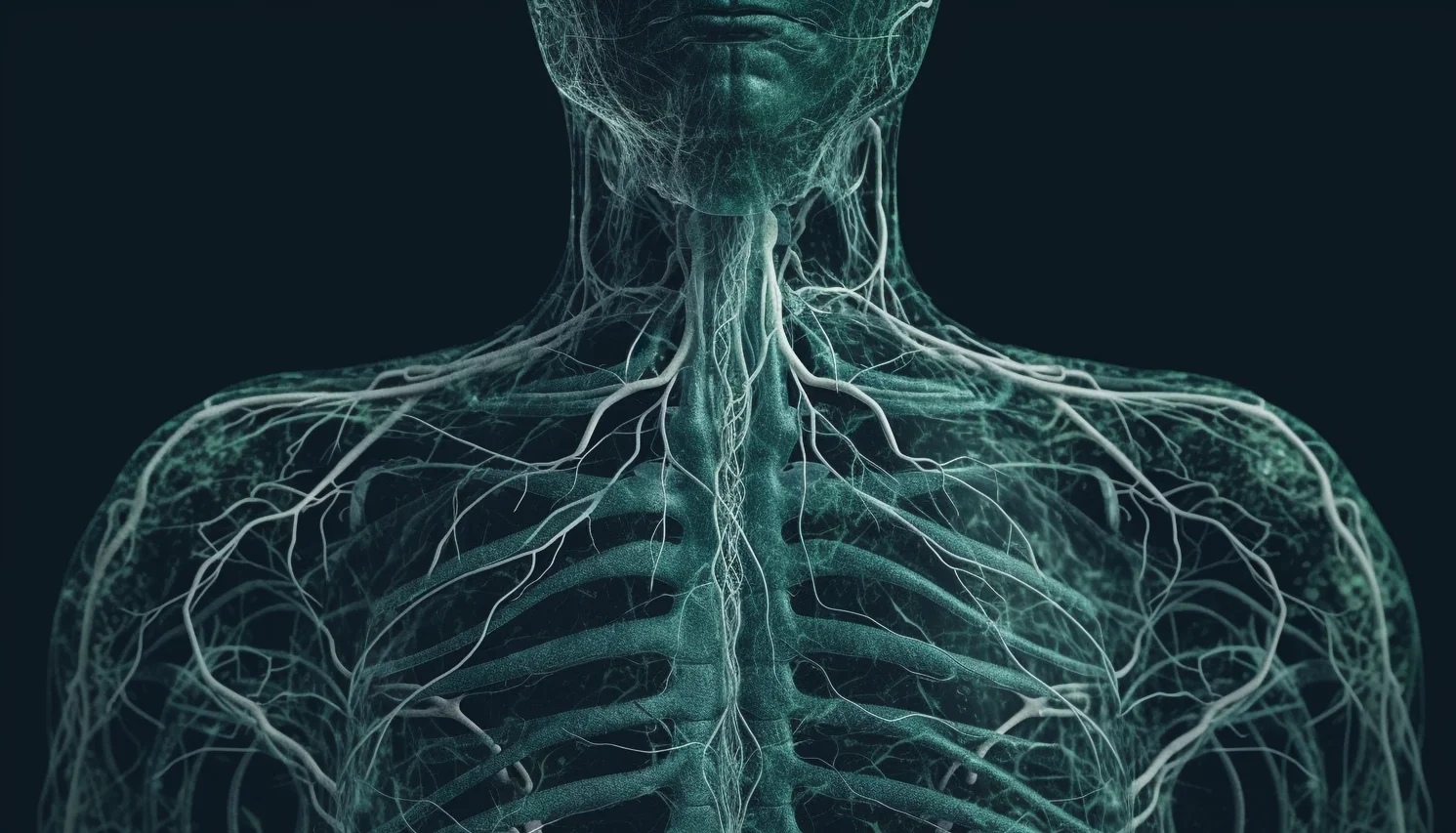
"Citicoline: The scientific solution that improves cognitive performance, supports memory and strengthens brain health!"
What is Citicoline? What Does It Do?
Citicoline can be synthesized endogenously or administered as a pharmaceutical supplement. It functions as a vital intermediate in synthesizing phosphatidylcholine, a constituent of cell membranes. The chemical designation for this molecule is cytidine diphosphate choline (CDP-choline), and it has been demonstrated to play a significant role in the preservation of neuronal structures and the facilitation of nervous system function. It has been particularly noted for its critical involvement in the process of repairing and regenerating brain cells.
STRUCTURE AND FUNCTIONING OF CITICHOLINE
Citicoline is formed by the combination of cytidine and choline molecules. These components are necessary for the synthesis of phosphatidylcholine in the structure of the cell membrane. Phosphatidylcholine plays a role in maintaining the flexibility and integrity of the cell membrane and facilitating intercellular communication.
Citicoline has also been shown to contribute to the production of acetylcholine within the body. This neurotransmitter is of particular importance due to its role in learning, memory and muscle movement. Consequently, citicoline is a vital component for the maintenance and enhancement of cognitive functions.
Oxidative stress and inflammation have been identified as critical factors in the development of neurodegenerative disorders. Citicoline, a compound that has been shown to possess powerful antioxidant properties, has been found to protect nerve cells by reducing the production of free radicals. In addition to its antioxidant effects, citicoline has also been observed to enhance cellular energy production by supporting mitochondrial functions.
Citicoline Acquisition: Natural Sources and Supplementation Options
Although we cannot get citicoline directly from natural sources, however choline supports the production of citicoline, so some natural sources of choline content are as follows:
- Egg Yolk
- Offal
- Soya Beans and Other Legumes
- Broccoli and Cauliflower
Supplement Options:
- Citicoline Capsules
- Multivitamins with citicoline
- Nootropic Supplements Containing Citicoline
Neuroprotective Effects
The neuroprotective effects of citicoline have been the focus of considerable research in conditions such as cerebral ischaemia and traumatic brain injury. Studies using animal models have shown that citicoline reduces neuronal loss and promotes brain plasticity. However, large-scale clinical trials have shown that citicoline has limited efficacy in promoting neurological recovery after stroke.
Citicoline has also been the subject of research in the context of neurodegenerative diseases, including Parkinson's disease and Alzheimer's disease. Numerous studies on patients suffering from Alzheimer's disease have pointed to the potential of citicoline to improve cognitive functions. However, further research in this area is required to confirm these findings.
Effects on Cognitive Functioning
As individuals age, cognitive function naturally declines. Citicoline has been hypothesized to enhance cognitive performance by modulating the balance of neurotransmitters involved in memory, attention, and learning processes. Numerous studies conducted on middle-aged and elderly individuals have suggested that citicoline may improve memory performance.
Research is being conducted on the neuroprotective effects of citicoline in eye diseases such as glaucoma. It is hypothesized that citicoline may improve visual functions by protecting retinal cells.
CONCLUSION
Citicoline is a compound that exerts multifaceted effects on brain health, with its neuroprotective properties being of particular interest. While there is ample evidence from clinical research to support its favorable effects, especially on cognitive functions, the data on its use in stroke and other neurological diseases is less clear. The results of future large-scale studies will help to provide a more complete understanding of the therapeutic potential of citicoline.
Al-Kuraishy, H. M., & Al-Gareeb, A. I. (2020). Citicoline improves human alertness and visual working memory: the role of neuronal activation and oxidative stress. Basic and Clinical Neuroscience, 11(4), 423.
Baris, E. (2022). Siticoline and Choline Arachidonic Acid Pathway Aracidonic Acid Pathway Aracili Etkisi in Inflammatory Response to Lipopolysaccharide in Cicans (Doctoral dissertation, Dokuz Eylül University (Turkey)).
Bermejo, P. E., Dorado, R., Zea-Sevilla, M. A. (2023). The role of citicoline in patients with mild cognitive impairment. Neuroscience Insights, 18, 26331055231152496.
Jacotte-Simancas, A., Costa-Miserachs, D., Coll-Andreu, M., Torras-Garcia, M., Borlongan, C. V., Portell-Cortés, I. (2015). Effects of voluntary physical exercise, citicoline.
Savran, M. (2010). In the prevention of epidural fibrosis in rats, systemic and local efficacy of citicoline in a laminotomy/discectomy model (Master's thesis, Bursa Uludag University (Turkey)).
Secades, J. J., Lorenzo, J. L. (2006). Citicoline: pharmacological and clinical review, 2006 update. Methods and Findings in Experimental and Clinical Pharmacology, 28, 1-56.
Spiers, P. A., Myers, D., Hochanadel, G. S., Lieberman, H. R., Wurtman, R. J. (1996). Citicoline improves verbal memory in aging. Archives of Neurology, 53(5), 441-448.