


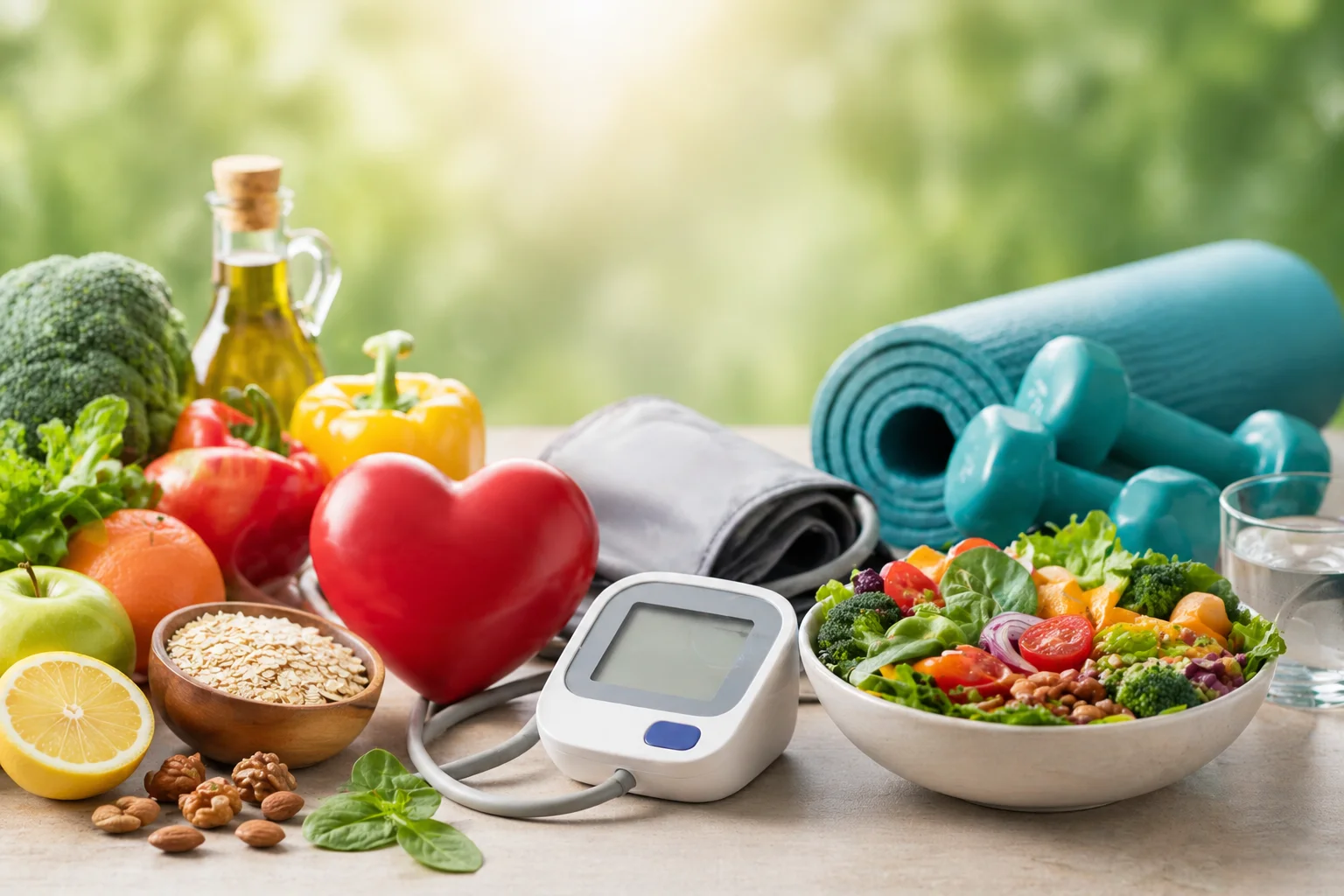
What Is High Blood Pressure? Why Is It Considered a Silent Risk?
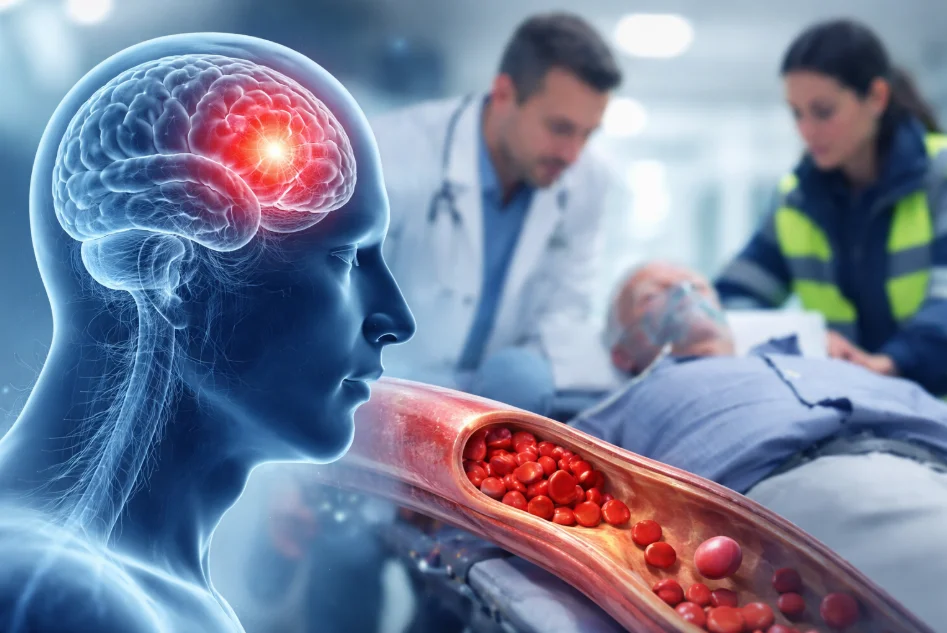
High blood pressure (hypertension) is a condition where the force of blood against artery walls is consistently too high. It often shows no symptoms, which is why it is known as a “silent killer.” If left unmanaged, it can lead to serious complications such as heart attack, stroke, kidney disease, and vascular damage.
Managing blood pressure is not only about symptom control but also long-term organ protection. Early diagnosis, regular monitoring, and lifestyle changes are essential.
How Does Reducing Salt Intake Affect Blood Pressure?
Salt increases blood pressure by causing the body to retain water. Reducing daily salt intake is one of the most effective evidence-based methods for controlling hypertension. Processed foods are often hidden sources of salt.
Reading labels, cooking at home, and using herbs instead of salt are effective strategies.
How Does Regular Exercise Lower Blood Pressure?
Regular physical activity strengthens the heart and improves blood flow, helping reduce blood pressure. At least 150 minutes of moderate exercise per week is recommended.
Walking, swimming, and cycling are sustainable options that also reduce stress levels.
How Does Stress Management Affect Blood Pressure?
Chronic stress increases hormones like cortisol and adrenaline, raising blood pressure. Over time, this increases hypertension risk.
Meditation, breathing exercises, and good sleep help manage stress effectively.
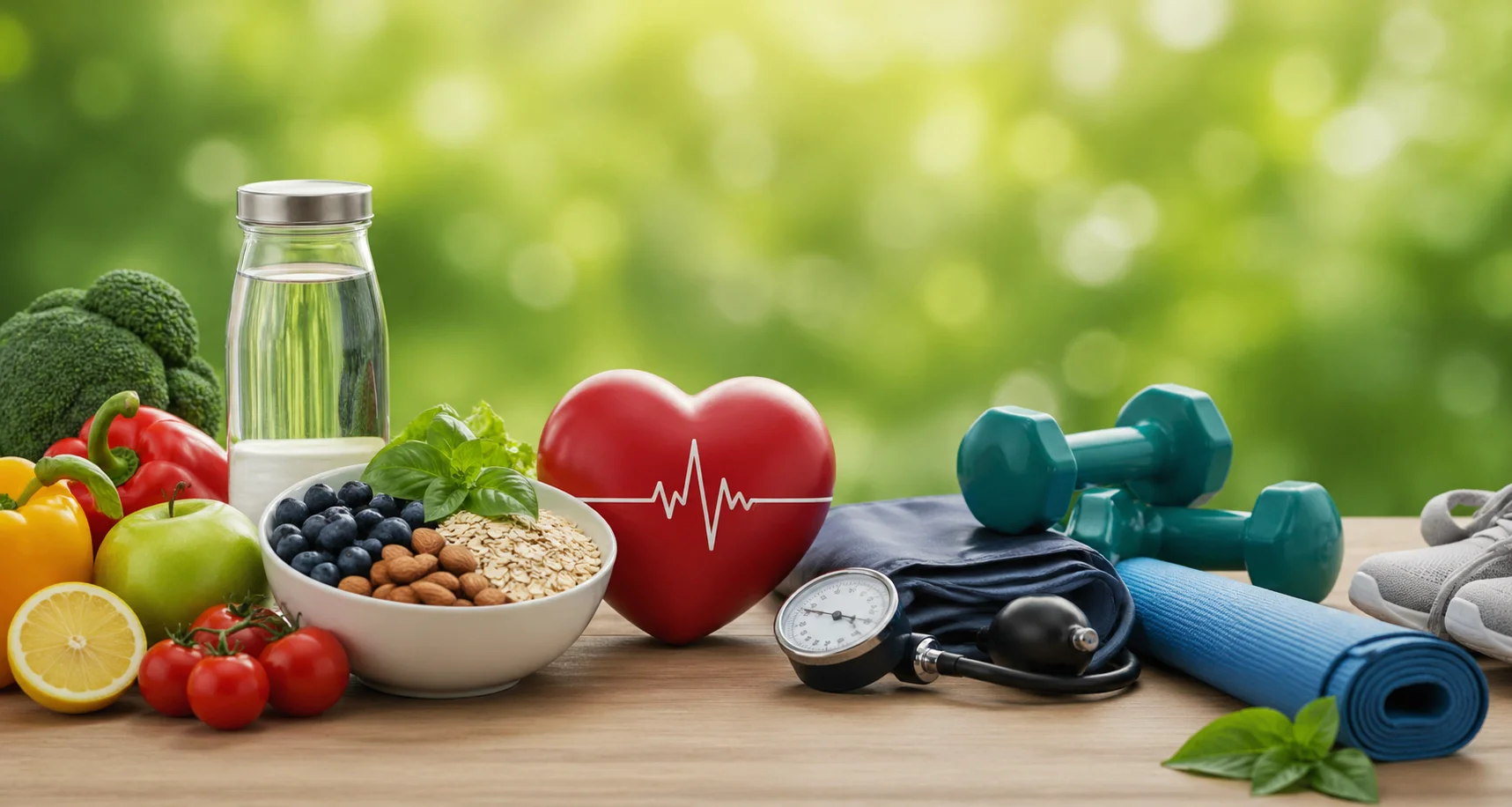
DASH Diet and Blood Pressure Control
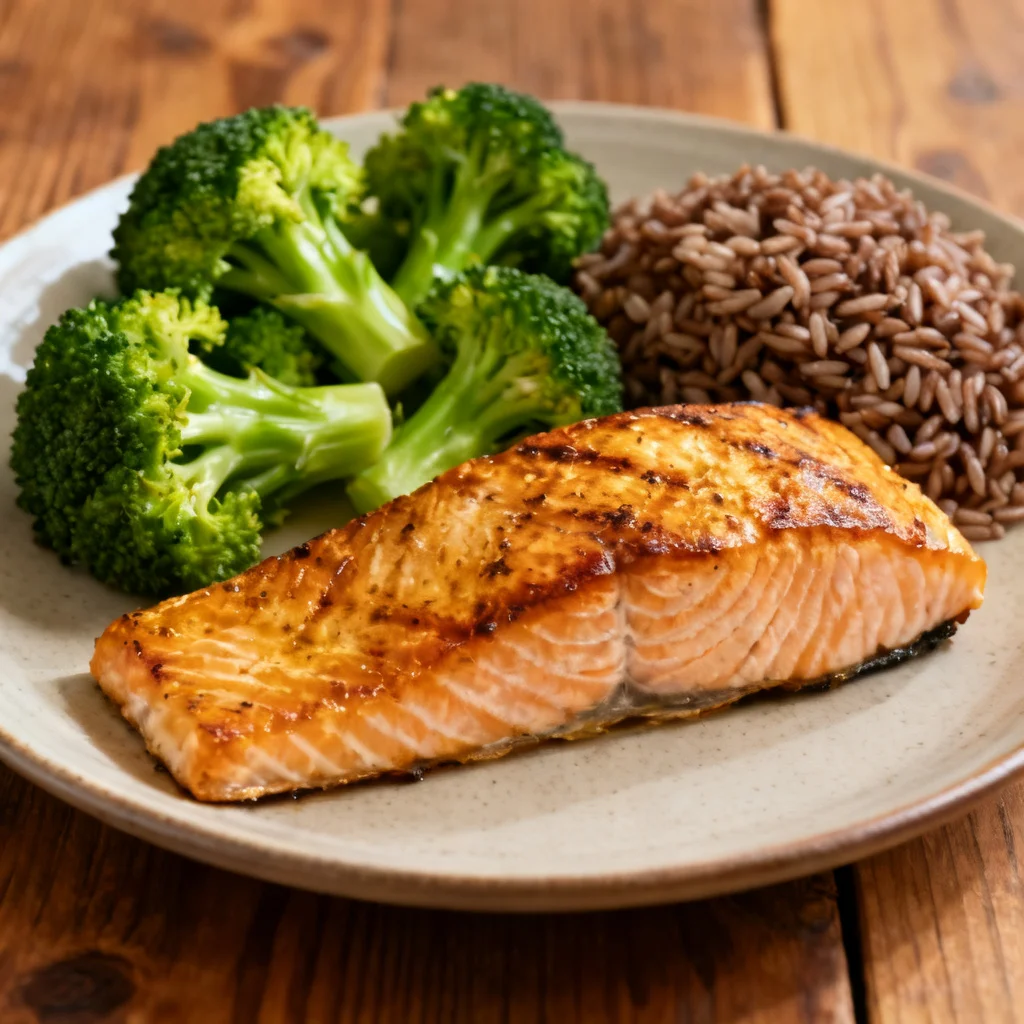
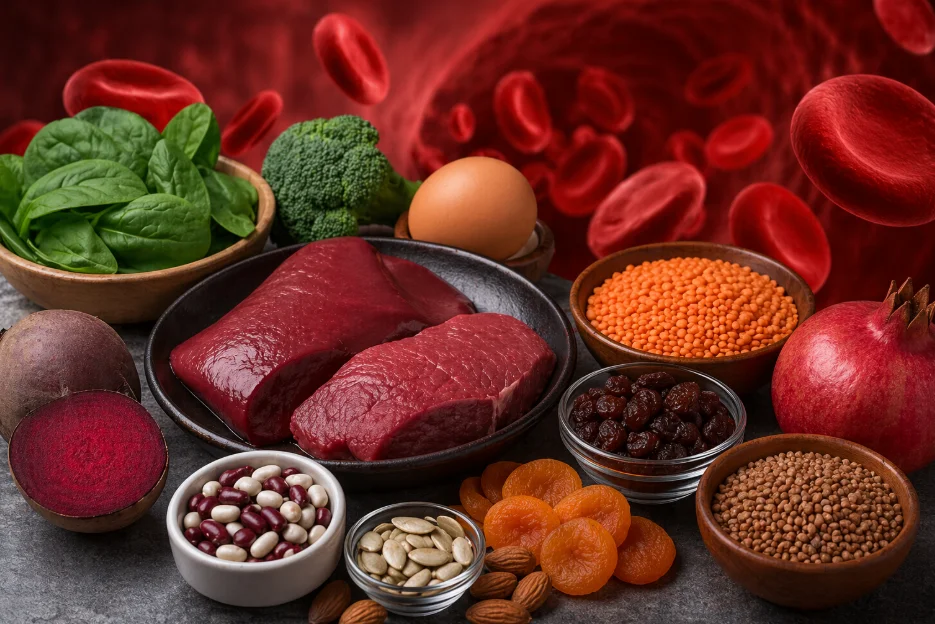
The DASH diet focuses on low sodium and high potassium foods, proven to reduce blood pressure.
It emphasizes vegetables, fruits, whole grains, and healthy fats.
Weight Control and Blood Pressure
Excess weight forces the heart to work harder, increasing blood pressure. Weight loss significantly improves blood pressure levels.
How Sleep Quality Affects Blood Pressure
Poor sleep disrupts hormonal balance and raises blood pressure. Sleep disorders increase hypertension risk.
How Alcohol and Smoking Increase Blood Pressure
Alcohol and smoking damage blood vessels and raise blood pressure.
Hydration and Blood Pressure Balance
Proper hydration supports vascular health and helps regulate blood pressure.
Medical Follow-Up and Medication Importance
Medical supervision and medication are essential in managing hypertension when lifestyle changes are not enough.