


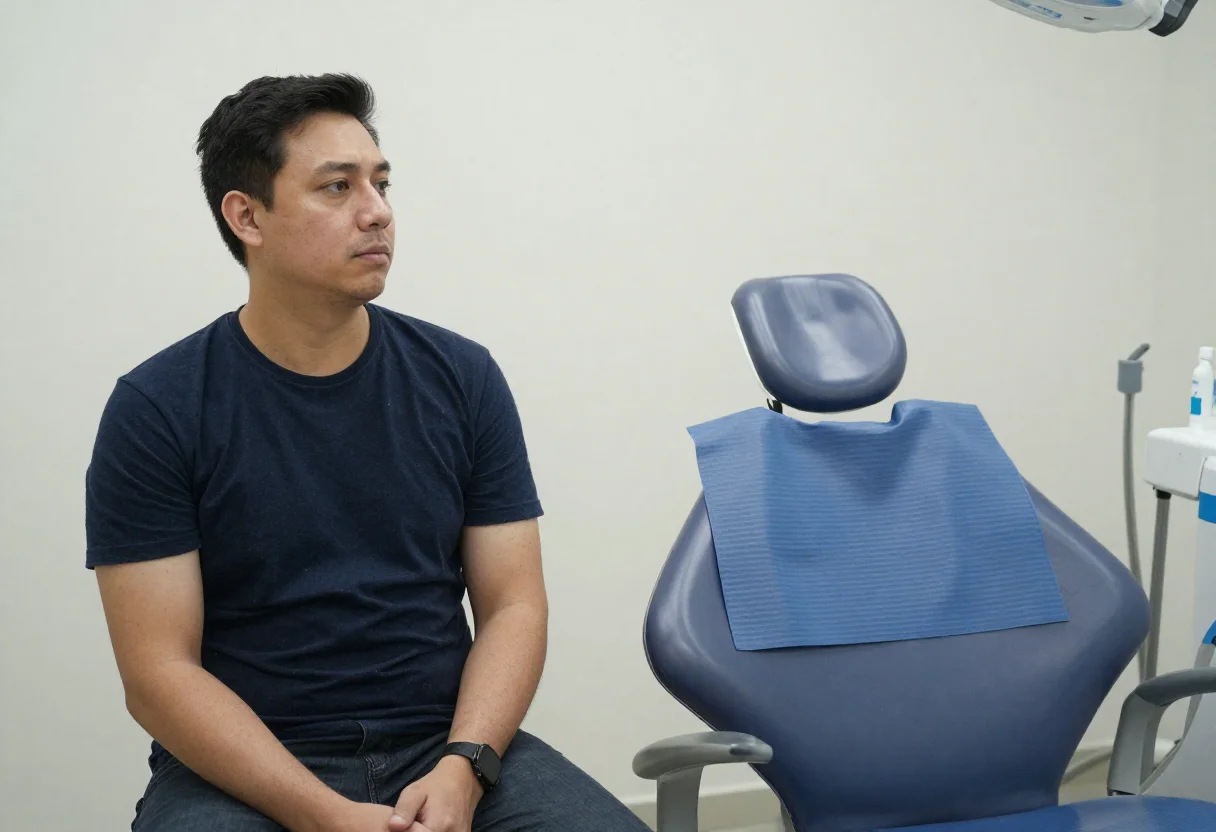




What are possible side effects of çene eklemi (TMJ)? When to stop and seek care.
First, the frame: Searches about “çene eklemi (TMJ)” often assume a single fix, but herbal/alternative approaches should be treated as supportive layers—never a substitute for diagnosis and standard care. The key first step is clarifying the root cause: symptoms, duration, severity, comorbidities, and current medicines.
Safety and quality: Herbal products and supplements are not always tested to the same standards as prescription medicines, so interactions and side effects must be taken seriously—especially for people with chronic conditions, those on medicines, pregnant/breastfeeding individuals, and children.
Practical approach: 1) Define the target outcome, 2) strengthen the lifestyle baseline (sleep, stress, nutrition, movement), 3) monitor any product/practice in a short trial window with measurable checkpoints, and 4) if symptoms persist, seek clinical evaluation for a personalized plan. This converts “viral tips” into a risk-managed operating system.
Bruxism-specific: Teeth grinding/clenching is often linked with stress and sleep patterns; dental evaluation can assess tooth wear, jaw muscles, and whether an occlusal splint (night guard) is indicated. A night guard can protect teeth, while daytime awareness, jaw relaxation exercises, and sleep hygiene strengthen the behavioral layer.