




What is Eczema?
What Are the Types of Eczema?
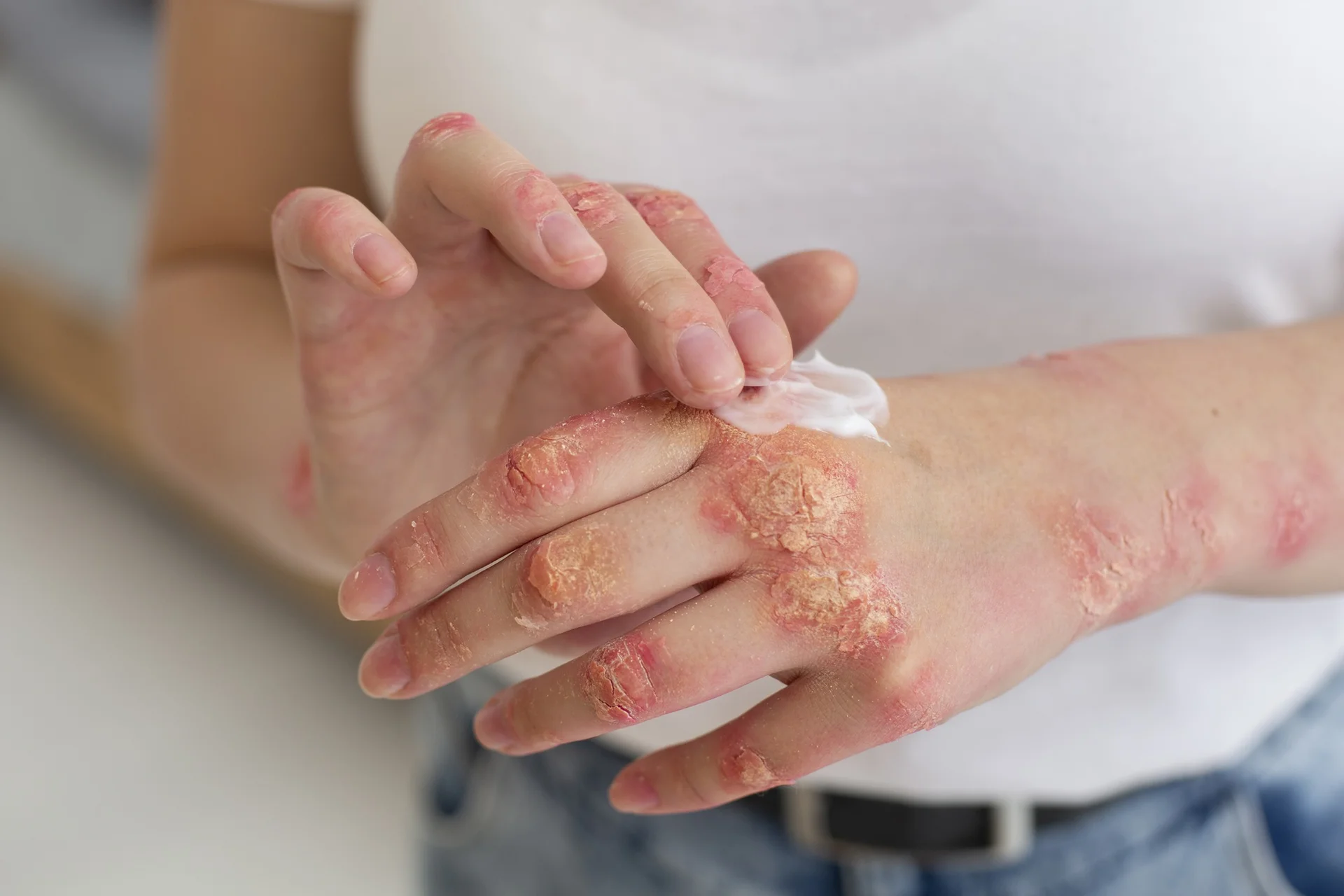
Eczema is a skin disorder with several different types. There are seven commonly known types, each with some shared causes and lesions. These are:
- Atopic Dermatitis: The most common type, often simply referred to as "eczema". Symptoms include itching, redness, and inflammation. Itching is the most prominent and can lead to sleep disturbances.
- Contact Dermatitis: Triggered by an allergic reaction to environmental factors. Inflammation and itching occur when an allergen or irritant contacts the skin.
- Dyshidrotic Eczema (Dyshidrosis): Appears on the hands, feet, between fingers and toes. Blisters filled with fluid may appear, which are often itchy and painful. Healing may result in cracked, flaky skin. Triggers include seasonal allergies, allergens, stress, and excess moisture.
- Neurodermatitis: Starts with an itchy patch of skin and forms a scratch-itch cycle. It’s usually limited to one or two areas and is often triggered by stress or local irritation.
- Nummular Eczema (Nummular Dermatitis): Characterized by coin-shaped, itchy, irritated, and red patches. Typically seen in adolescents and adults, mainly on dry, sensitive skin, especially on the arms, legs, and torso.
- Seborrheic Dermatitis (Cradle Cap): Affects oily areas such as the scalp, eyebrows, sides of the nose, chest, and groin. Leads to oily, inflamed, and yellowish flaky skin.
- Stasis Dermatitis (Venous Eczema / Varicose Eczema): Commonly occurs on the lower legs where blood flow is poor. It’s not contagious but is widespread. Swelling and slight color change over varicose veins are key signs.
Although there are seven types, it is possible to have more than one type simultaneously. Identifying the type of eczema is crucial for accurate diagnosis and effective treatment.
What Are the Symptoms of Eczema?
- Itching
- Redness
- Dry skin
- Inflamed skin
- Flaky skin
- Burning sensation
- Swelling
- Skin discoloration
- Rash
- Thickened or leathery skin
How Is Eczema Diagnosed and Treated?
- Topical corticosteroids
- Topical phosphodiesterase-4 inhibitors
- Topical calcineurin inhibitors
These reduce inflammation and help alleviate symptoms during flare-ups but are not curative and should not be used long-term.
Oral medications such as systemic immunomodulators, antibiotics, and antihistamines may also be prescribed based on age, medical history, and symptom severity.
In addition to prescription medications, natural shampoos, barrier-strengthening creams, and medical aromatherapy can be supportive.
What is Medical Aromatherapy?
How Should Aromatherapy Support Eczema?
The correct formulation starts with identifying the eczema type. Carrier oils provide intense hydration. Some helpful carrier oils during flare-ups include:
- Borage oil
- Coconut oil
- Shea butter
- Rosehip seed oil
- Poppy seed oil
- Avocado oil
- Calendula oil
Essential oils like lavender, niaouli, helichrysum, and geranium can be blended in proper dilutions into base serums.
Use of Essential Oils in Eczema and Precautions
- Niaouli: From the tea tree family, contains 1,8-cineole (eucalyptol). It's safer and less irritating than tea tree oil. Antiseptic, antiviral, and antibacterial properties make it ideal for eczema.
- Lavender: A versatile oil with calming, antibacterial, antidepressant, antiseptic, and analgesic properties. Key compounds: linalool and linalyl acetate.
Be cautious with camphor content—a ketone compound that may accumulate in the lungs and cause issues with prolonged inhalation. Always choose Ecocert-certified oils with known camphor levels.
Nutritional Supplements to Support Eczema
Key supplements include:
- Prebiotics and Probiotics:
- Prebiotics: fiber-rich foods that nourish good bacteria (e.g., yogurt, kefir, vinegar, banana, onion, garlic, artichoke, oats).
- Probiotics: Lactobacillus and Bifidobacterium strains support gut health, which directly influences skin health.
- Vitamin D:
- Low levels slow skin regeneration. Maintain levels between 50–80 ng/mL.
- Omega-3 Fatty Acids:
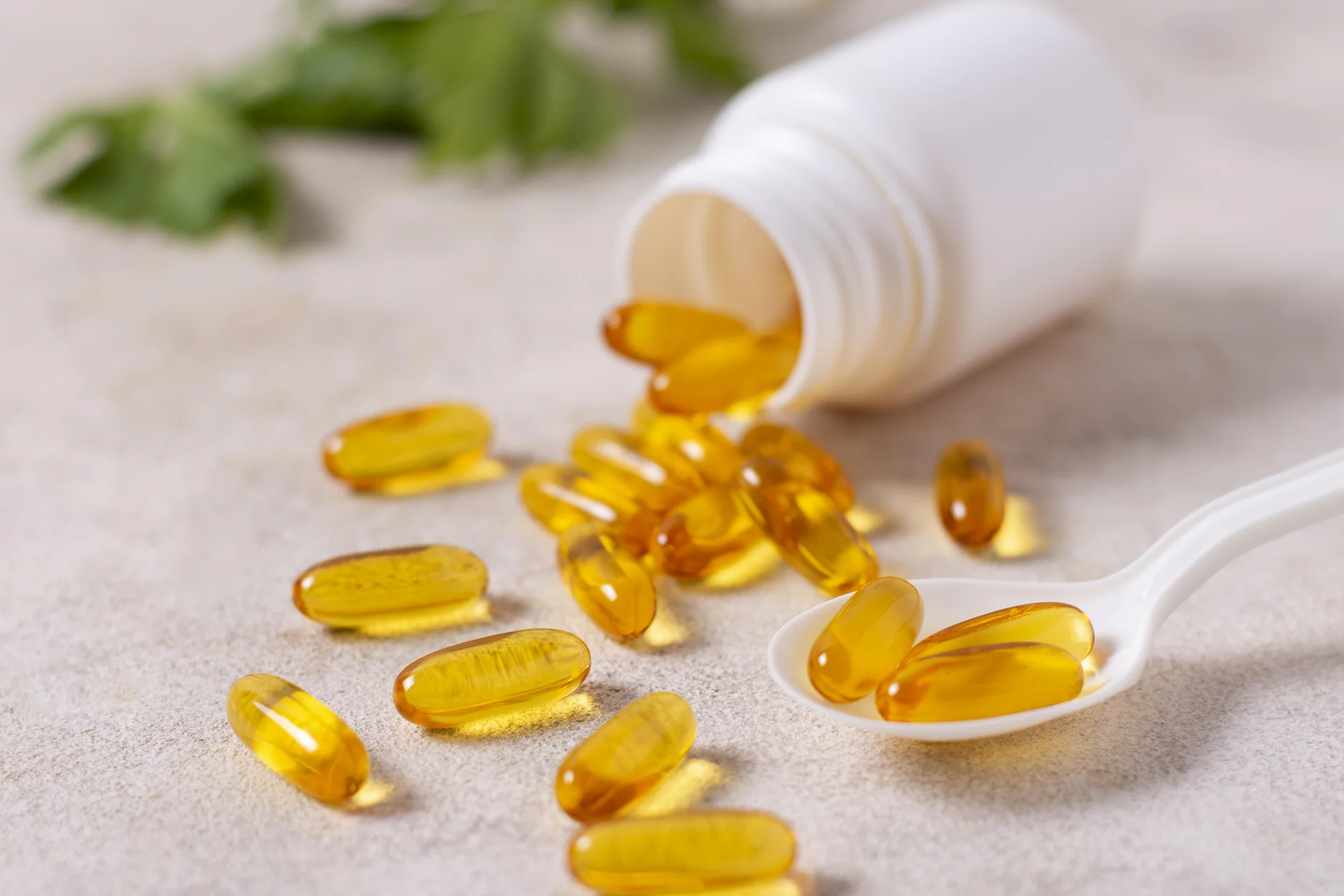
- Reduce inflammation and improve skin health. Look for supplements with EPA/DHA ratio of 3:2 and total EPA+DHA > 1000 mg.
Common Misconceptions About Aromatherapy Oils
- “All oils are the same quality” → False. Oils vary in purity. Always check certifications and lab analyses. Adulterated oils lose therapeutic properties.
- “Essential oils are only for inhalation” → False. They’re used in serums for skin conditions like eczema and acne.
- “The more oil you add to a diffuser, the better” → False. Aromatherapy follows the “less is more” principle. Proper dosage ensures effectiveness.