


What is arbutin and what does it do?
Effects and benefits of arbutin
How and when to use arbutin serum?
1. What is the usage frequency and time?
It can be used once or twice a day: You can add it to your morning or evening routine. It is important to use it with sunscreen in the mornings. Since arbutin suppresses melanin production, the skin may become more sensitive.
2. What should be the application order?
Wash your face with a mild cleanser.
Tonic (optional): You can apply a toner to balance your skin’s pH level.
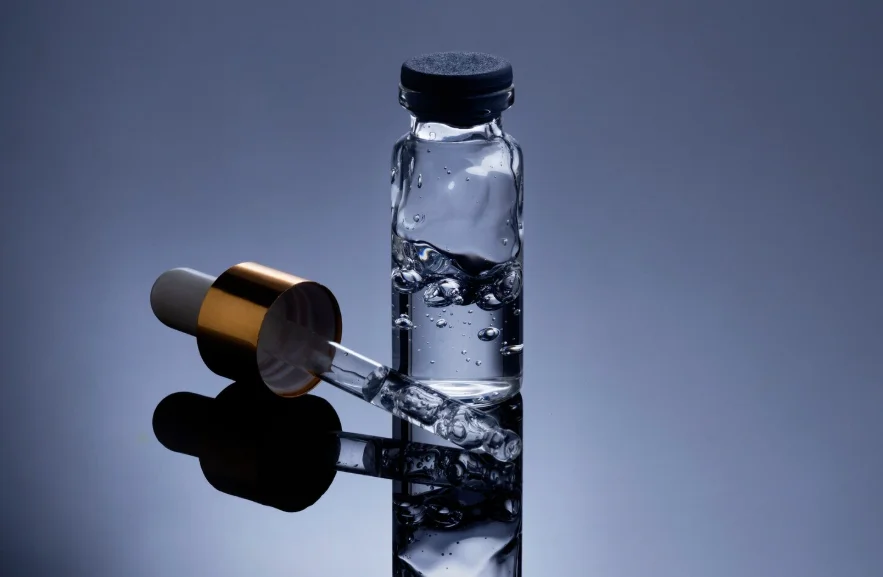
Apply arbutin serum:
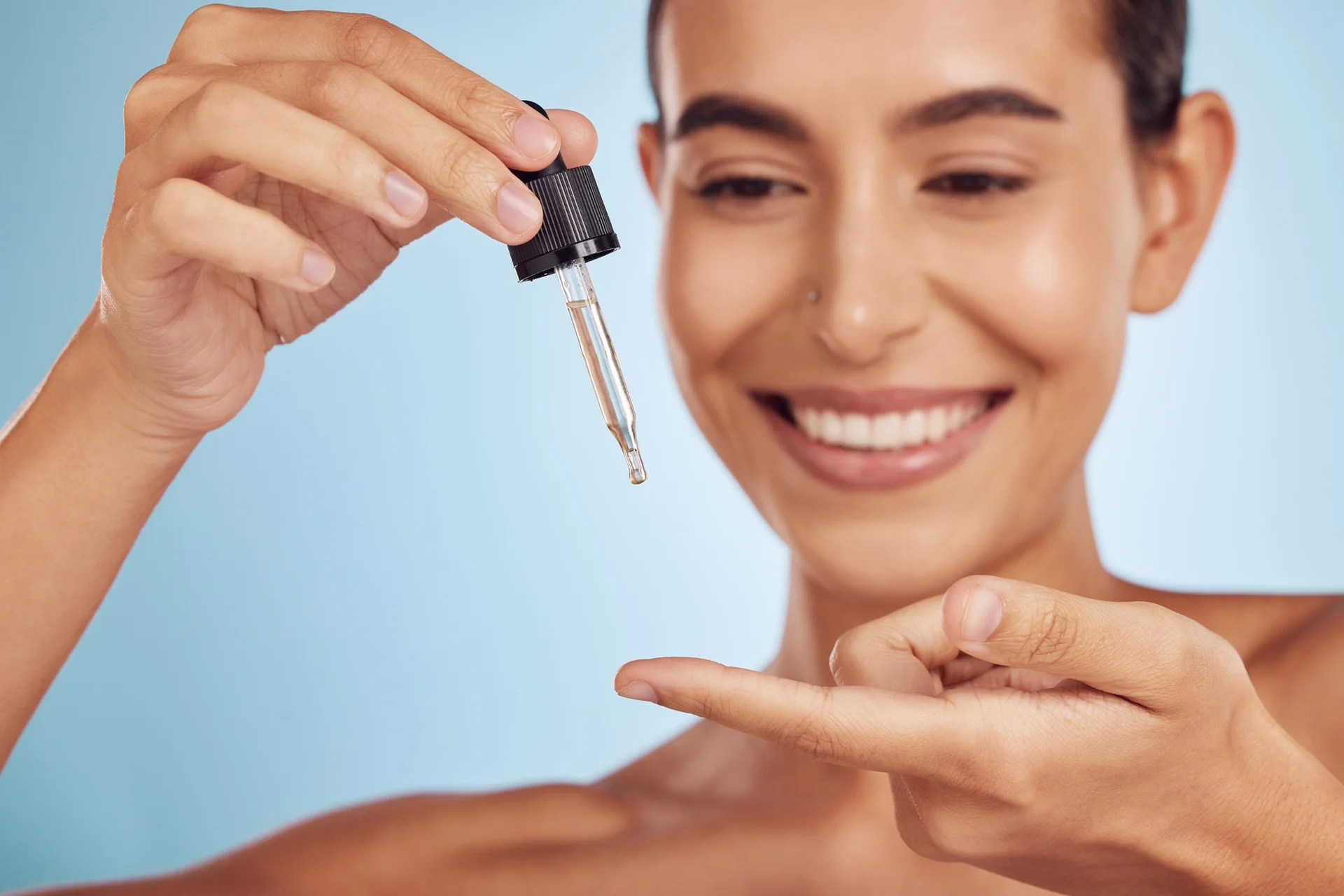
- Apply 2-3 drops of serum to your face and areas with dark spots by gently massaging.
- Avoid direct application around the eyes.
Apply moisturizer.
Apply sunscreen for daytime routine.
When does arbutin start to take effect?
What should we consider when choosing arbutin serum?
When choosing arbutin serum, it is important to consider factors such as the formulation, type of arbutin, and concentration:
1. Type of arbutin:
Alpha-arbutin: A more effective and stable form. Preferred for evening skin tone and reducing dark spots.
Beta-arbutin: More common but less effective compared to alpha-arbutin. It can be used in the initial stages for sensitive skin.
2. Concentration
- 1-2% concentration: Suitable for beginners and sensitive skin. It has a lower risk of irritation.
- 3-5% concentration: Moderately effective in significantly reducing dark spots. Regular use is recommended.
- 7% and above: Can be preferred for stronger results; however, it is recommended to use it under dermatologist supervision.
What is the recommended starting concentration of arbutin?
How to choose arbutin serum according to skin types?
- Dry and sensitive skin: Arbutin serums containing hyaluronic acid are recommended.
- Oily skin: Lightweight, water-based formulations should be preferred.
- Hyperpigmentation problem: High-concentration alpha-arbutin serums may be more effective.
Can arbutin serum be used during pregnancy?
What are the storage conditions of arbutin serum?
- Store in a cool and dark place.
- Keep it in its original packaging.
- Refrigeration is not necessary (But a cool environment is preferred).
- Keep the cap tightly closed.
What ingredients enhance the effects of arbutin when used together?
Niacinamide (Vitamin B3):
- Niacinamide inhibits the transfer of melanin and strengthens the skin barrier. When combined with arbutin, it helps to even out skin tone more quickly and diminish dark spots. Its anti-inflammatory properties also reduce the risk of irritation.
Hyaluronic acid:
- Hyaluronic acid moisturizes the skin and helps arbutin penetrate better into the skin. This ensures a stronger effect without dryness or sensitivity.
Vitamin C:
- Except for L-ascorbic acid, pH-compatible vitamin C derivatives provide antioxidant effects when used with arbutin and accelerate the skin-brightening process. This combination is ideal for suppressing melanin synthesis and protecting the skin from environmental damage.
Peptides:
- Peptides support cell renewal and improve skin texture. When used with arbutin, they help even out skin tone while preserving skin elasticity and health.
What ingredients should be avoided when using arbutin serum?
When using arbutin serum, be careful when combining it with certain active ingredients, as these may cause irritation, sensitivity, or reduce the effectiveness of arbutin.
Acids (AHA, BHA, PHA):
- Acids (glycolic acid, salicylic acid, lactic acid) can reduce the effectiveness of arbutin by lowering the skin’s pH level. They can also make the skin sensitive and cause irritation.
Retinol and Retinoids:
- While retinol renews the skin, using it with arbutin can increase the risk of irritation. Both ingredients accelerate cell turnover, which may cause excessive sensitivity.
Vitamin C (L-Ascorbic acid):
- Arbutin is stable at a higher pH (pH 4-6.5), but vitamin C requires a low pH (around 3.5). Using them in the same routine can reduce the effectiveness of both ingredients.
Hydroquinone:
- Both arbutin and hydroquinone reduce melanin production, but their combined use may increase skin sensitivity and irritation. Prolonged use could have negative effects on skin health.
1.Draelos ZD, Skin lightening preparations and the hydroquinone controversy. (2007).
2.Hakozaki T, et al., The effect of niacinamide on reducing cutaneous pigmentation and suppression of melanosome transfer. (2002).
3.Rawlings AV, Canestrari DA, and Dobkowski B, Moisturizer technology versus clinical performance. (2004).
4.Pinnell SR, Cutaneous photodamage, oxidative stress, and topical antioxidant protection. (2003).
5.Mukherjee S, et al., Retinoids in the treatment of skin aging: an overview of clinical efficacy and safety. (2006).
6.Chakraborty AK, et al., Effect of arbutin on melanogenic proteins in human melanocytes. (1998).