





Published: 2026-03-13
Updated: 2026-03-13
Editorial note
Map of Health content is prepared with an evidence-based approach. References are provided for transparency.
Medical disclaimer
This content is for informational purposes only and does not replace professional medical advice, diagnosis, or treatment. If you have an urgent medical concern, seek immediate care.
"The vagus nerve is the primary communication line between your brain and vital organs. But are the "vagus stimulation" techniques trending on social media effective, or just marketing hype?"
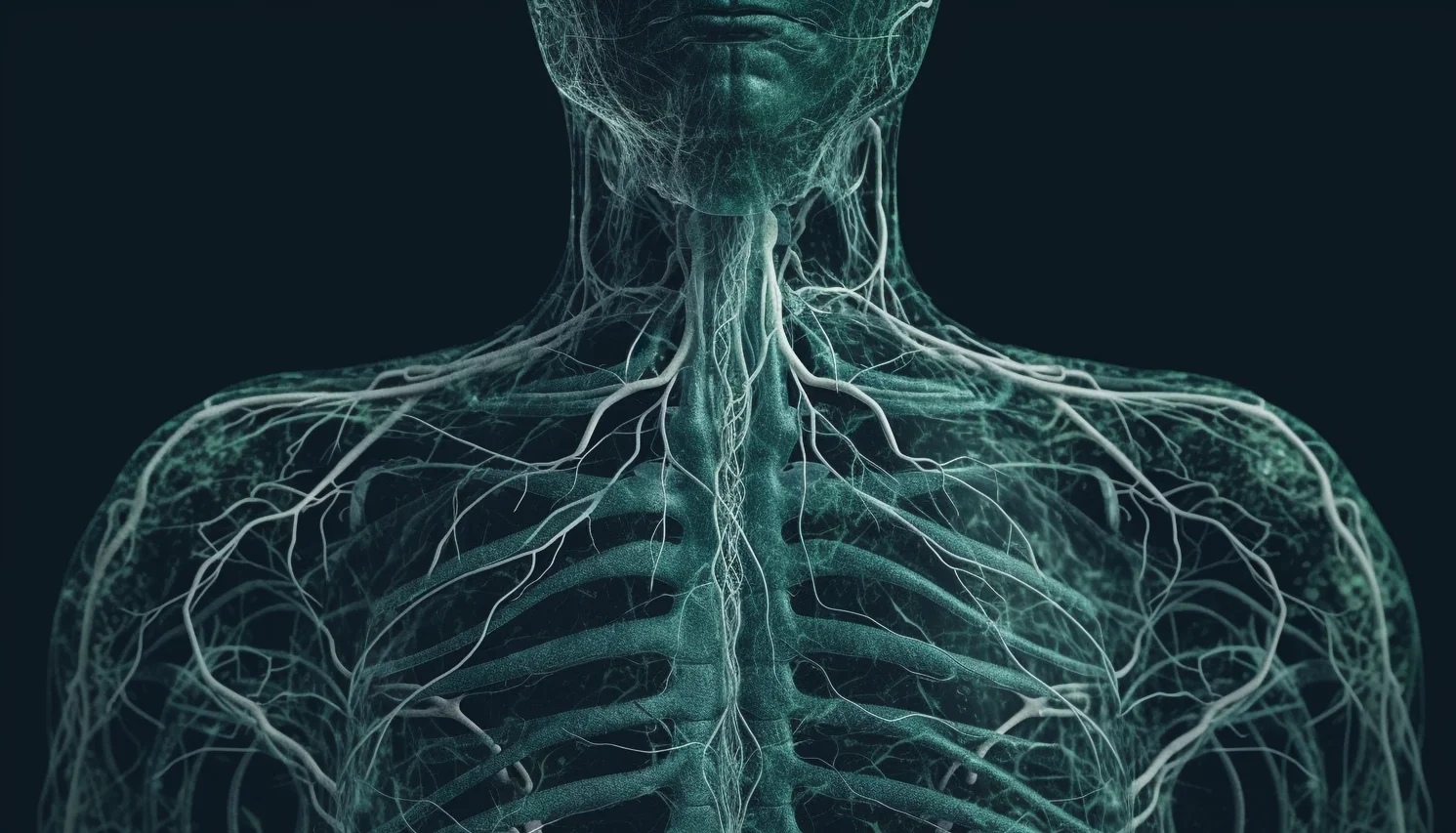
What is the Vagus Nerve? A Guide to the "Superhighway" of Stress Management
The Vagus nerve (Latin for Wandering) governs the autonomic nervous system, controlling processes from heart rate to digestion. It balances the "fight or flight" (sympathetic) response with the "rest and digest" (parasympathetic) state.
Methods to Stimulate the Vagus Nerve
While some trending techniques are scientifically grounded, others remain experimental:
Somatic Exercises: Deep breathing, humming, gargling, and specific eye movements can stimulate the nerve and lower heart rate.
Tapping: Gentle rhythmic tapping on specific body parts may help soothe the nervous system.
Technological Solutions: Surgical implants (VNS) are proven to treat epilepsy and treatment-resistant depression. Wearable devices for the ear or neck are now emerging as non-invasive alternatives.
What Does Science Say?
Experts note that while wearable stimulation devices (ranging from £200 to £1,000) show potential, they lack the clinical certainty of internal implants. Important: Individuals with heart or respiratory conditions must consult a doctor before attempting nerve stimulation.
Bottom Line: There is no "quick fix." Understanding the vagus nerve is a powerful tool for managing burnout, but long-term recovery requires lifestyle changes and consistent rest.