




What is biotin?
What is the role of biotin in the body?
What are the benefits of biotin?
- Hair, skin, and nail health: Biotin helps maintain healthy hair, skin, and nails. A deficiency may result in hair loss, brittle nails, and skin problems.
- Metabolism: Biotin plays an important role in the metabolism of carbohydrates, fats, and proteins. It contributes to the body's energy production.
- Diabetes: Biotin may help regulate blood sugar levels in people with diabetes.
- Pregnancy: Biotin is important for pregnant women, as it is among the vitamins and minerals required for a healthy pregnancy.
What happens with biotin deficiency?
Biotin deficiency occurs when the body does not have enough biotin to perform its essential functions. While a small amount of biotin is produced by gut bacteria, dietary intake is the main source. Deficiency can arise from poor nutrition, digestive disorders, or long-term antibiotic use, and may lead to a variety of health issues. Symptoms include:
- Hair loss and thinning:
Biotin supports keratin production, the structural protein in hair. A deficiency weakens hair roots, causing breakage and slow regrowth.
- Skin issues:
Biotin is essential for skin health. Dry, scaly, or red patches around the nose, mouth, and eyes can indicate low biotin levels.
- Brittle nails:
Weak, cracking, or thin nails are often associated with biotin deficiency. Biotin strengthens nail beds and promotes growth.
- Fatigue and lethargy:
Biotin contributes to energy production by breaking down fats, carbohydrates, and proteins. Lack of it may lead to chronic fatigue, muscle weakness, and sluggishness.
- Neurological symptoms:
Severe cases may cause depression, tingling in the limbs, or cognitive impairments. Biotin is involved in nerve signaling, which is vital for brain health.
- Muscle pain and cramps:
These symptoms may result from the body's inability to metabolize nutrients for muscle function, often linked to insufficient energy production.
Which foods contain biotin?
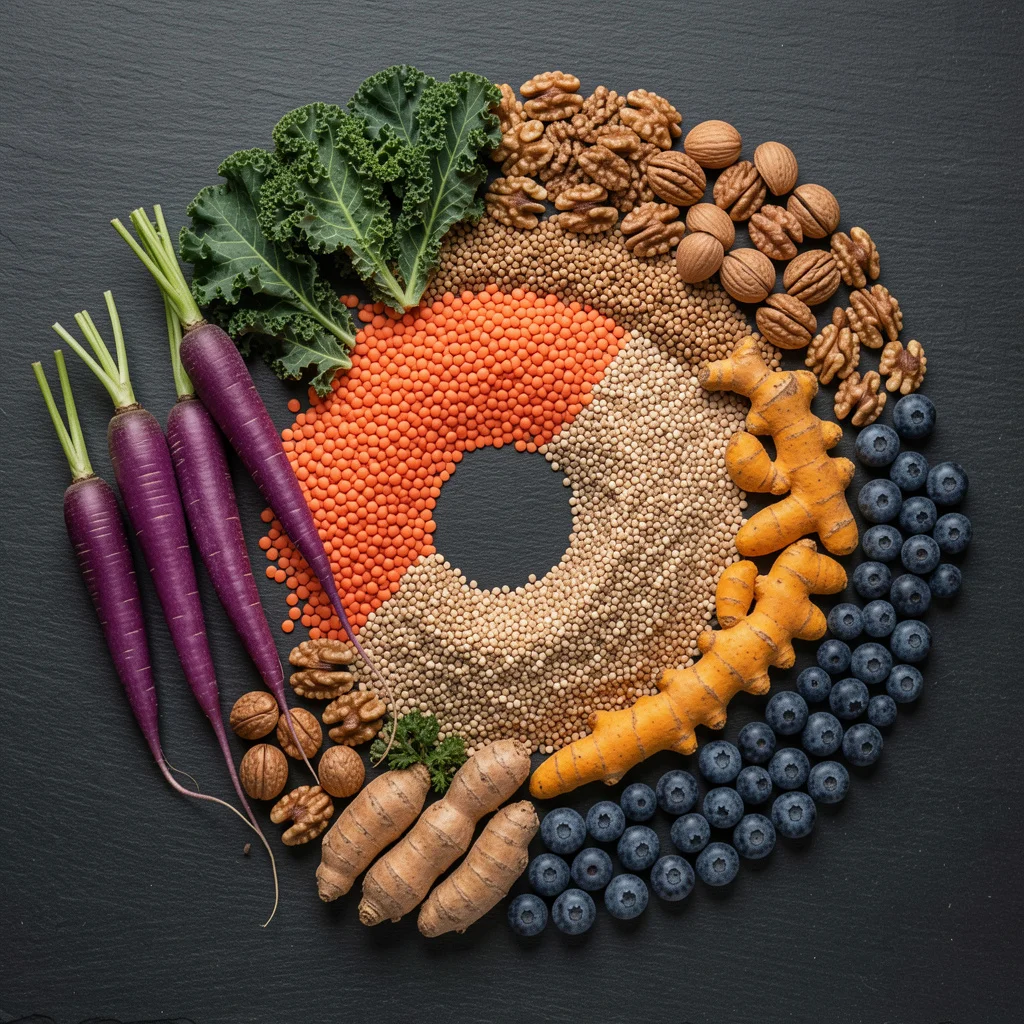
- Egg yolks
- Organ meats (especially liver)
- Nuts and seeds (almonds, peanuts, walnuts, sunflower seeds)
- Legumes (beans, lentils, soybeans)
- Sweet potatoes
- Avocados
Food | Average Biotin Content (µg) | Portion |
Egg (whole) | ~10 µg | 1 piece (large) |
Liver (beef/lamb) | ~30 µg | 100 g (cooked) |
Salmon | ~19 µg | 85 g (approximately 1 serving) |
Almonds | ~1.5 µg | 30 g (a handful) |
Peanuts | ~35 µg | 100 g (raw/uncooked) |
Avocado | ~2 µg | 1 piece (medium size) |
Sweet potato | ~2.4 µg | 1 piece (medium size, cooked) |
Mushroom (raw) | ~2.6 µg | ½ cup (sliced) |
Note: Values are approximate and may vary depending on food type and cooking method (raw, boiled, fried, etc.).
What is the daily biotin requirement for the human body?
What are the side effects of Biotin?
- Allergic reactions: Some individuals may experience redness, itching, or rashes due to biotin allergy.
- Toxicity: Excessive intake may cause nausea, diarrhea, skin rashes, or even heart issues in high doses.
- Interference with blood tests: Biotin can alter the results of certain blood tests. Inform your doctor if you are taking supplements before having lab work.
In summary, although biotin is an essential vitamin for the body, it should be consumed in the correct dosage. Overconsumption may cause side effects.
When should Biotin supplements be taken?
Biotin and beauty: Effects on hair and nails
Background: Biotin has gained commercial popularity due to its claimed benefits for healthy hair and nail growth. Despite its reputation, there is limited research supporting its effectiveness in healthy individuals.
Objective: To systematically review the literature on biotin’s efficacy for hair and nail growth.
Methods: We searched all case reports and randomized clinical trials (RCTs) on PubMed using the following terms: (biotin and hair); (biotin and supplement and hair); (biotin supplementation); (biotin and alopecia); (biotin and nails); (biotin and dermatology); and (biotin recommendations).
Biotin and drug interactions
Bioxcin. Biotin tablet nedir, biotin tablet nasıl ve ne zaman kullanılır? (t.y.). https://bioxcin.com.tr/blog/gida-takviyesi-blog/biotin-tablet-nedir-biotin-tablet-nasil-ve-ne-zaman-kullanilir
Li D, Ferguson A, Cervinski MA, Lynch KL, Kyle PB. AACC guidance document on biotin interference in laboratory tests. J Appl Lab Med. 2020;5(3):575–587. https://doi.org/10.1093/jalm/jfaa019
Medicana Sağlık Grubu. Biotin eksikliği belirtileri nelerdir? Biotin nedir, ne işe yarar? (t.y.). https://www.medicana.com.tr/biotin-eksikligi-belirtileri-nelerdir-biotin-nedir-ne-ise-yarar/blog/22746#b-biotin-eksikligi-ne-anlama-gelir-b
Memorial Sağlık Grubu. Biotin (H) vitamininin faydaları nelerdir? Memorial Sağlık Rehberi. (t.y.). https://www.memorial.com.tr/saglik-rehberi/biotin-h-vitamininin-faydalari-nelerdir
MFM Nutra. Biotin nedir? Faydaları ve yan etkileri nelerdir? (t.y.). https://www.mfmnutra.com/blog/icerik/biotin-nedir-faydalari-ve-yan-etkileri-nelerdir
National Institutes of Health – Office of Dietary Supplements. Biotin – Fact Sheet for Health Professionals. (2022). https://ods.od.nih.gov/factsheets/Biotin-HealthProfessional/
Patel DP, Swink SM, Castelo-Soccio L. A review of the use of biotin for hair loss. Skin Appendage Disord. 2017;3(3):166–169. https://doi.org/10.1159/000462981
Saleem F, Soos MP. Biotin deficiency. StatPearls [Internet]. (2023 Jan). https://www.ncbi.nlm.nih.gov/books/NBK470579/