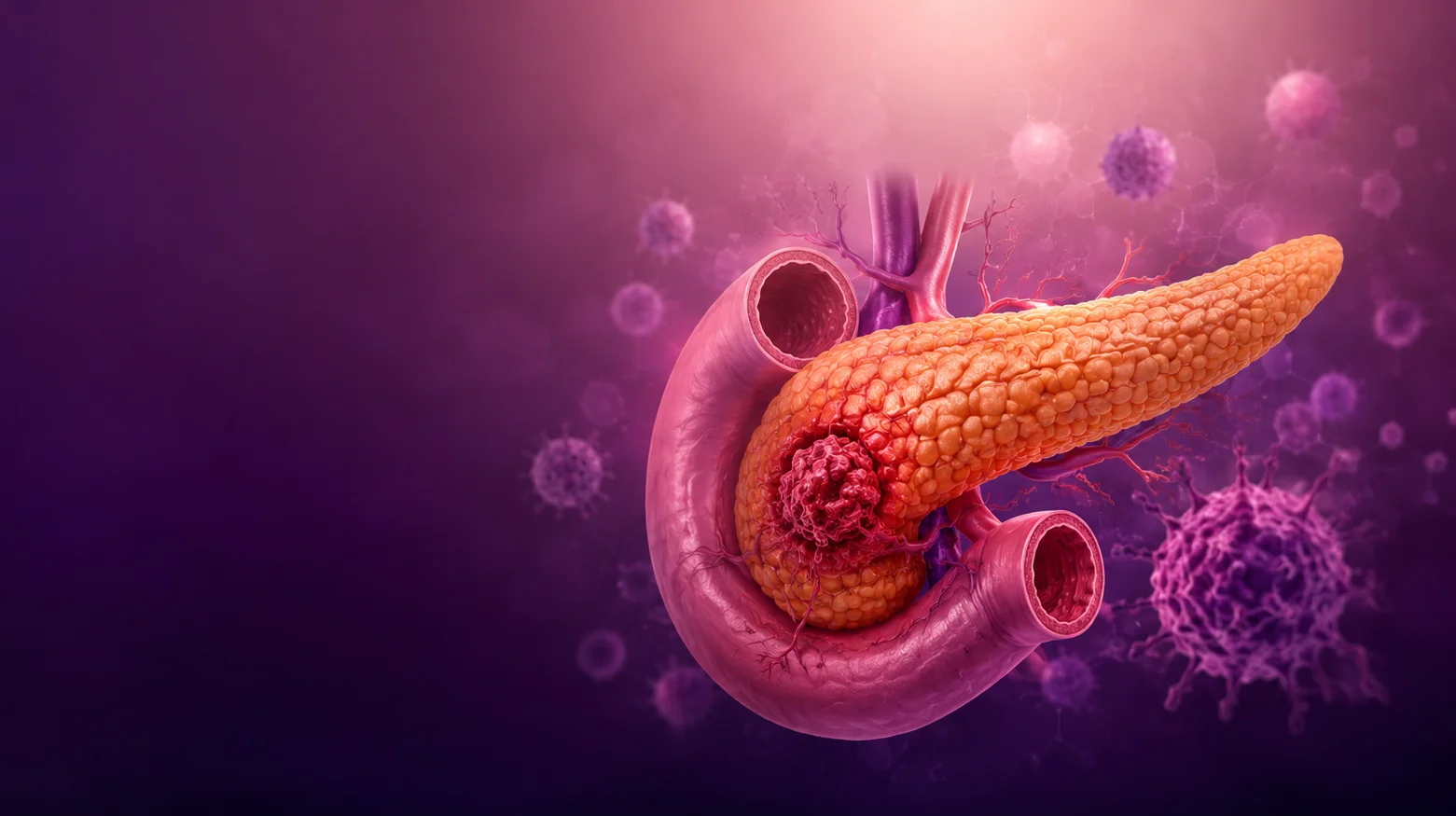







What are the symptoms of low insulin?
“Low insulin” can refer to two different contexts: insufficient insulin production (as in pathways toward type 1 diabetes) or symptoms related to low blood sugar (hypoglycemia). Clinically, insufficient insulin is often associated with rising blood glucose, leading to frequent urination, excessive thirst, dry mouth, unintended weight loss, and fatigue. Hypoglycemia symptoms, on the other hand, include trembling, sweating, palpitations, sudden hunger, irritability, and dizziness. This distinction cannot be reliably made at home. Lab assessment—fasting and post-meal glucose, HbA1c, insulin, and sometimes C-peptide—under clinician interpretation is required. If symptoms are severe or sudden, seek medical care without delay.