




Published: 2026-03-02
Updated: 2026-03-02
Editorial note
Map of Health content is prepared with an evidence-based approach. References are provided for transparency.
Medical disclaimer
This content is for informational purposes only and does not replace professional medical advice, diagnosis, or treatment. If you have an urgent medical concern, seek immediate care.
"The gut microbiome has a direct impact on immunity, mental health, and metabolism. Here are some foods to avoid for a healthy life:"
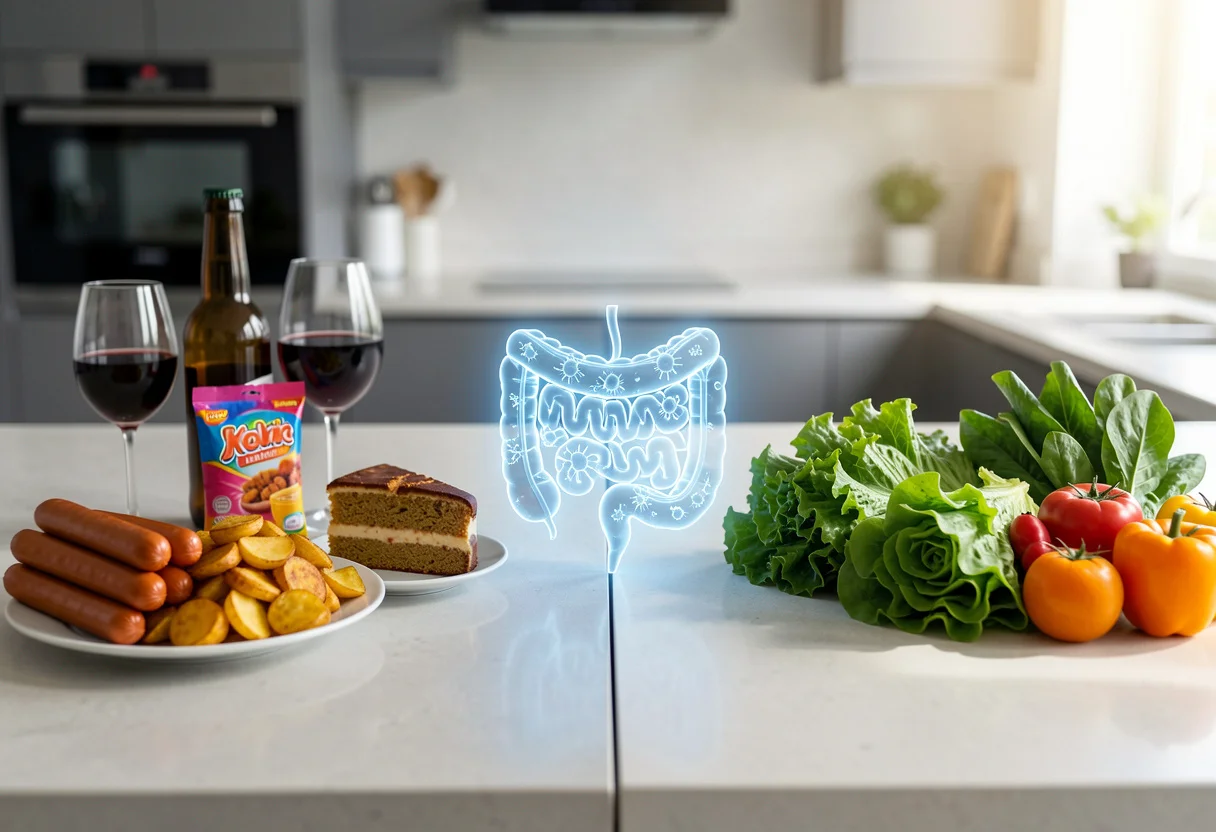
1- Ultra-processed foods
Foods produced using artificial ingredients such as artificial sweeteners, flavor enhancers, emulsifiers, and additives. Such as sausages, breakfast cereals, and ice cream... While it is not exactly known why ultra-processed foods are bad for our health, a recent study revealed that they have significant negative effects on the gut microbiome and can be linked to 32 health problems. However, you don't have to give up these types of foods completely. Experts suggest applying the 80/20 rule. That is, try to eat healthily 80% of the time and treat yourself for the remaining 20%.
2- Fried foods
Fried foods contain saturated and trans fats that are difficult to digest and can affect your gut microbiome. Sautéing is a good way to reduce your fat consumption, ease digestion, and reduce the negative impact on your good gut bacteria. If you can't give up fried foods completely, the 80/20 rule can apply here too.
3- High-sugar foods
Unfortunately, biscuits and cakes are types of food that are high in refined sugar and can damage your gut health when consumed too often. Sugar can cause inflammation in your gut, which damages the good bacteria we all need. High-sugar foods are not limited to pastries and desserts. There can be surprising amounts of sugar in fruit juices, yogurts, sauces, soups, and even salad dressings. Therefore, it is always important to check the label when shopping. The UK National Health Service (NHS) recommends that adults consume no more than 30 grams (about seven sugar cubes) of sugar per day.
4- Artificial sweeteners
So, does avoiding sugar mean we should switch to artificial sweeteners? Artificial sweeteners may be preferred in terms of sugar and calories. However, experts do not have a clear view on their effects on our gut health because they have obtained conflicting results between animal and human studies. More research is needed in this area.
5- Alcohol
Nutritionist Rohini Bajekal says alcohol can be one of the worst lifestyle choices for our gut health. She states that alcohol can disrupt the balance of good and bad bacteria and cause chronic inflammation by irritating the cells in the stomach lining. While moderate alcohol consumption is unlikely to cause significant harm, if you drink more than 14 units a week, you may experience bloating, constipation, and discomfort. One unit means half a glass of beer, 25 milliliters of spirits, or a small glass of wine (125 milliliters). However, there is a potential exception to the rule. Researchers at King's College London found that red wine could help gut health. Researcher Dr. Caroline Le Roy said, "We have long known about the unexplained benefits of red wine on heart health." Le Roy added, "This study partially explains the long-debated health benefits of moderate red wine consumption by associating it with a healthier gut microbiome."