





What Is Ferritin and Why Is It Critical in Children?
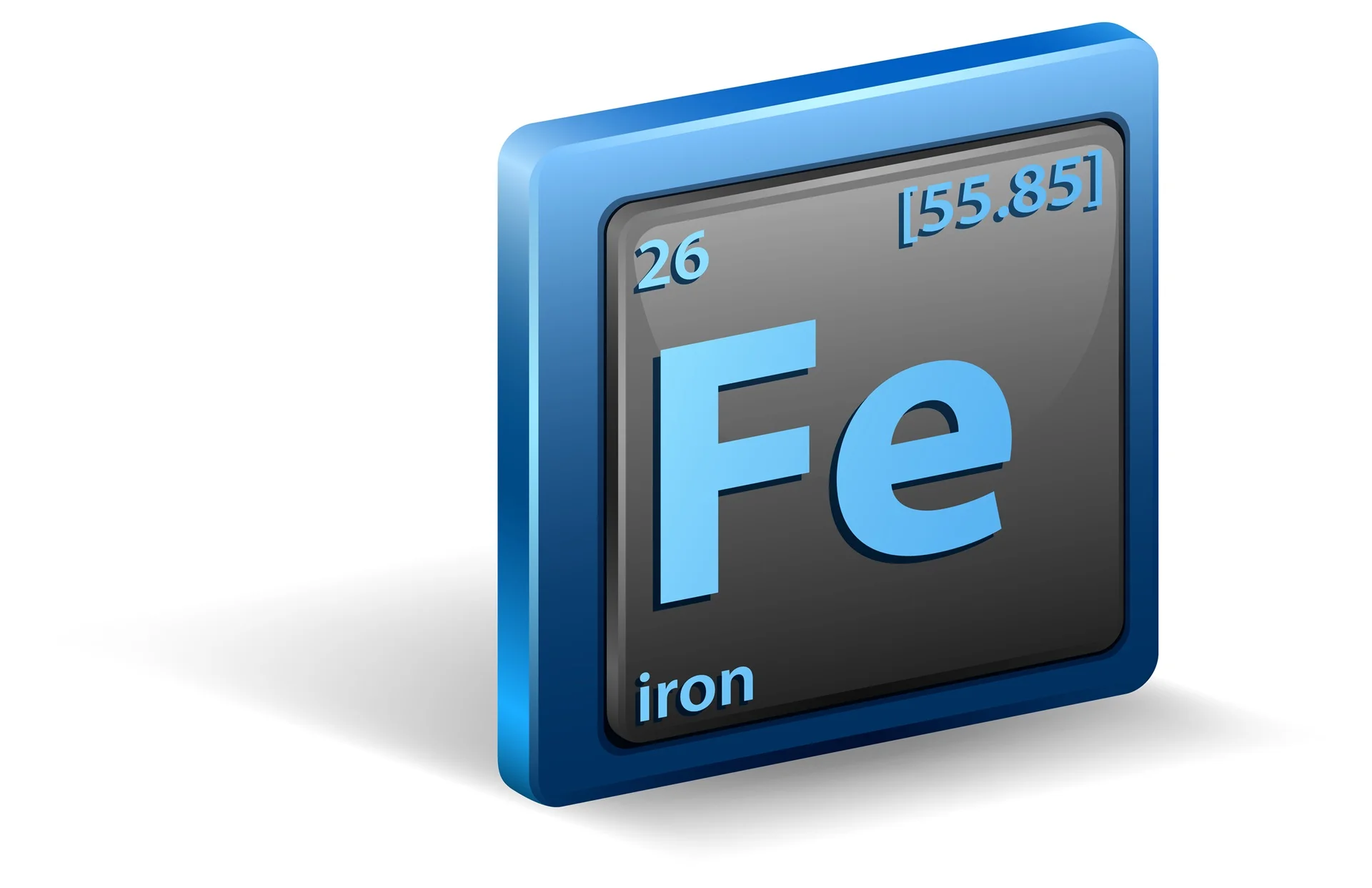
Ferritin is a protein responsible for storing iron in the body and is considered a key biochemical marker, especially during childhood growth. Blood ferritin levels reflect iron reserves and help detect deficiency before anemia develops.
Children require more iron due to rapid growth, increased cell production, and brain development. Low ferritin levels can negatively affect both physical and neurological development, particularly in early childhood.
Monitoring ferritin levels provides early intervention opportunities and helps prevent cognitive and immune-related complications.
Common Causes of Low Ferritin in Children
The most common cause of low ferritin in children is inadequate iron intake. This is especially prevalent in diets lacking iron-rich foods.
Other contributing factors include rapid growth, premature birth, frequent infections, and malabsorption disorders. Excessive cow’s milk consumption may also reduce iron absorption.
Low ferritin is often multifactorial and should be evaluated holistically.
Symptoms of Low Ferritin in Children
Low ferritin may initially be asymptomatic but can later cause fatigue, pale skin, poor appetite, and attention problems.
Hair loss, brittle nails, and frequent infections are also common signs.
Regular screening is essential as symptoms are often non-specific.
Is Low Ferritin the Same as Anemia?
Low ferritin and anemia are related but not identical. Ferritin reflects iron stores, while anemia refers to low hemoglobin levels.
Low ferritin is an early warning sign and can be treated before anemia develops.
Does Low Ferritin Affect Cognitive Development?
Iron is essential for brain development. Low ferritin levels can impair cognitive function, attention, and learning.
Maintaining adequate iron levels is crucial for both physical and mental growth.
How Is Low Ferritin Diagnosed?
Low ferritin is diagnosed באמצעות a blood test measuring serum ferritin levels.
Additional tests such as hemoglobin and iron-binding capacity may be used.
Treatment of Low Ferritin in Children
Treatment includes iron supplementation and dietary improvements.
Regular follow-up ensures effective recovery.
Iron-Rich Foods for Children
Red meat, eggs, legumes, and leafy greens are rich in iron.
Vitamin C enhances iron absorption.
Can Low Ferritin Be Prevented?
Balanced nutrition and regular monitoring can prevent most cases.
How Often Should Ferritin Be Monitored?
Monitoring frequency depends on risk level.