




1- What is iodine and what does it do?
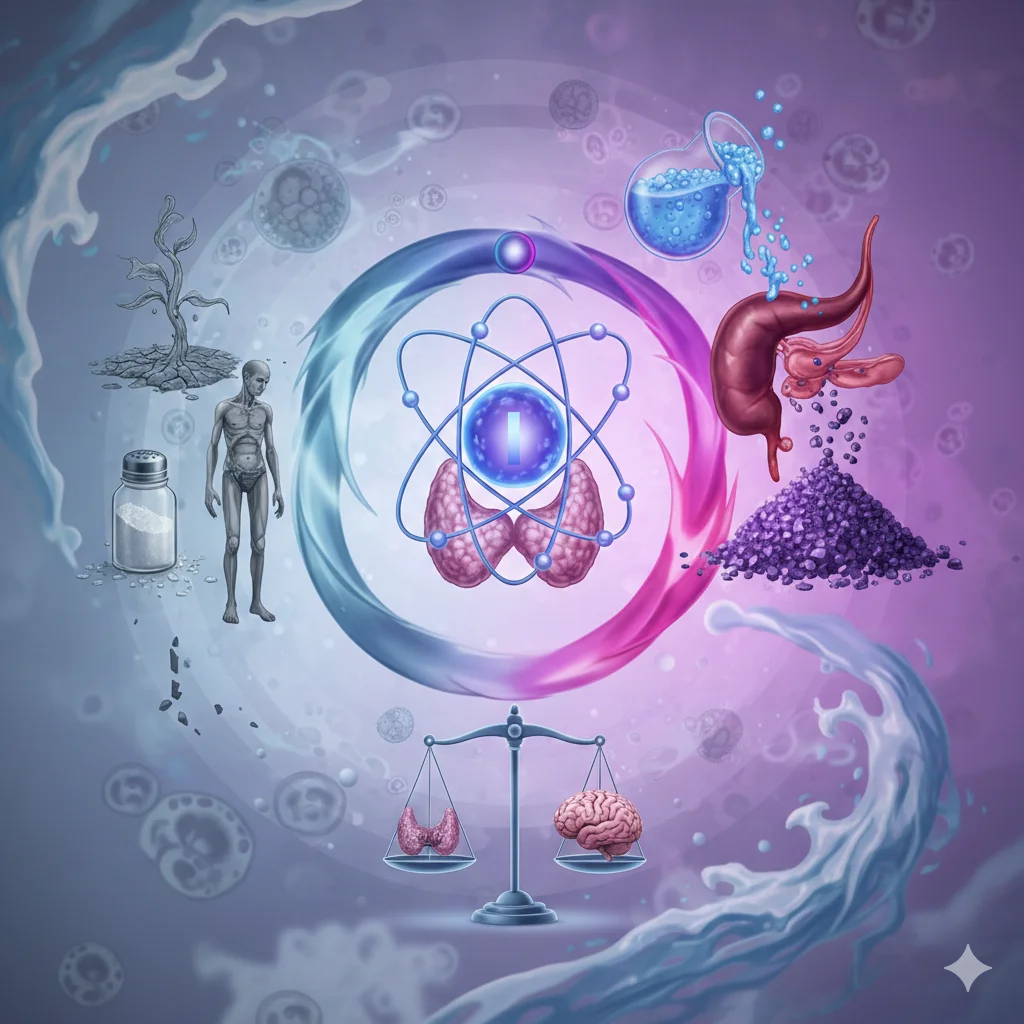
The body is unable to
generate iodine on its own, making it a trace mineral. Thyroid hormones T3 and
T4 are produced using it. The thyroid gland, a key metabolic regulator, depends
on these hormones to function properly. Iodine is essential for the development
of the neurological system, energy production, and body temperature regulation.
2- In which foods can iodine be found?
Natural foods contain trace levels of iodine. The richest sources include:
- Sea fish (cod, mackerel, tuna), shellfish
- Seaweeds (nori, kombu, wakame)
- Milk, yogurt, cheese
- Eggs
- Iodized table salt
- Plants not grown in lead-contaminated soil
(e.g., processed grains)
3- Are iodine and salt the same thing?
Iodine is not found in natural salts; "iodized salt," which is used at the table, is a unique product that has been enhanced with iodine. Make sure the salt is iodized if you wish to obtain iodine from it.
Is it possible to get iodine from seafood?
One of the best sources of bioavailable iodine is seafood. The iodine need can
be considerably met by eating even tiny servings two to three times each week.
Which sources of iodine are the most abundant?
Cod fish, seaweed, iodized salt, dairy products, and eggs contain the most
iodine.
Which foods don't contain enough iodine?
In inland and mountainous areas, a lack of iodine in the soil can result in
low levels of iodine in grains and vegetables. These goods could be a factor in
iodine deficiency.
4- Is iodine supplementation necessary? Who should take it?
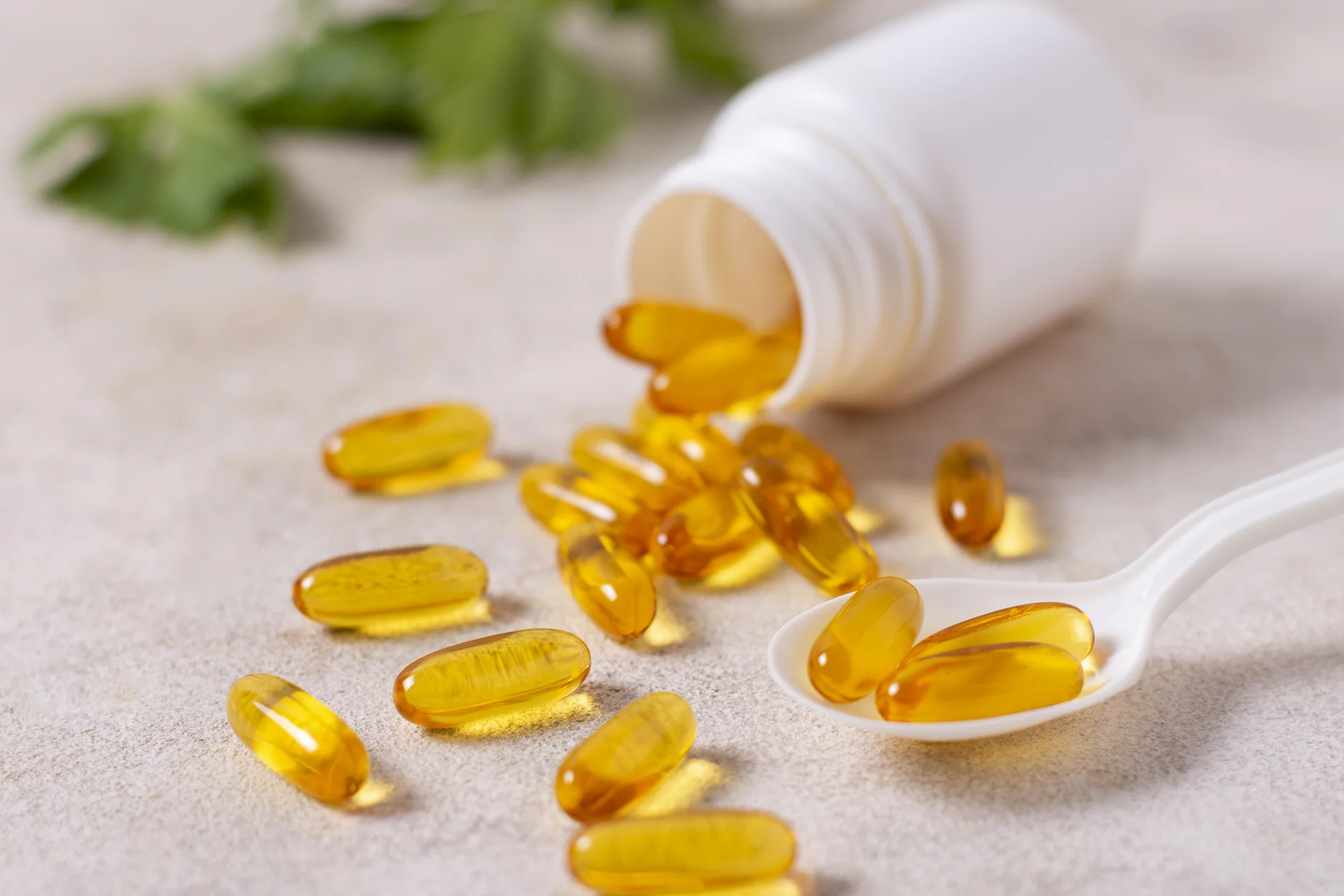
The following groups could think about taking iodine supplements, even if a balanced diet is usually adequate:
- Pregnant and breastfeeding women (WHO
recommends 250 µg/day)
- Individuals on a vegan diet
- People with gastrointestinal diseases that
affect iodine absorption
- Those who consume foods low in iodine
However,
as too much iodine can also be detrimental, a person's condition should always
be evaluated before beginning supplements.
5- What is the relationship between iodine and the thyroid?
The thyroid gland cannot
create T3 and T4 hormones without iodine. Hypothyroidism and metabolic problems
can result from a decrease in hormone production caused by inadequate iodine
intake. Goiter may be the outcome of a chronic deficit. On the other hand, too
much iodine might raise the risk of autoimmune thyroid diseases and cause
hyperthyroidism.
6- What is iodine poisoning? How is the iodine test done?
Excessive iodine intake
(over 1100 µg/day) can overstimulate the thyroid, leading to hyperthyroidism or
inflammation. Diagnosis may involve:
- Urinary Iodine Concentration (UIC)
- TSH, T3, T4 hormone tests
- Evaluation of thyroid autoantibodies
7- What are the symptoms of iodine deficiency?
Most common symptoms
include:
- Fatigue and weakness
- Weight gain, cold sensitivity
- Hair loss, dry skin
- Mental slowness, forgetfulness
- Goiter
If identified early, these
symptoms can be corrected with simple solutions.
8- What are the consequences of iodine deficiency?
- Delayed thyroid hormone production →
hypothyroidism
- Lower IQ and mental retardation in children
- Growth retardation
- Miscarriage, preterm birth, congenital disorders in pregnancy
- Complex thyroid issues and goiter
9- How does iodine affect intelligence?
For the development of the
brain, enough iodine intake during pregnancy and childhood is essential. Iodine
shortage may cause an IQ drop of 10–15 points, according to studies. Iodine
supplementation has been shown to boost neurodevelopment in children.
10- How does iodine deficiency in pregnancy affect mother and baby?
Inadequate iodine during
pregnancy may cause:
- Miscarriage, stillbirth
- Permanent damage to intelligence and motor
development
- Serious neurological disorders such as
cretinism
- Impaired maternal thyroid function during
and after birth
11- Health at the table: The history and current role of iodized salt
The introduction of iodized
salt, which started in the 1920s, was a significant advancement in public
health. Iodine deficiency worries have been resurrected, nevertheless, by
contemporary trends including a return to "natural" salts, dietary
changes, and changes in the food business. Thus, the most effective way to
safeguard the health of mothers and children is still to use iodized salt on a
daily basis.
12- Common misconceptions about iodine
- All salt contains iodine → False. Only salt labeled as "iodized"
contains iodine.
- Natural salts contain iodine → False. Natural salts are often poor in
minerals.
- More iodine is always better → False. Excessive intake can cause thyroid
problems.
Even
in trace concentrations, the element iodine has a profound effect. We can
protect thyroid health, cognitive development, and metabolic balance by using
iodized salt, eating a balanced diet, and keeping an eye on those in risk
categories. Children and pregnant women should get extra care.
References
Andersson M, et al. Changes in urinary iodine in
school-age children: global status 2013–2019. Lancet Diabetes Endocrinol.
2021;9(1):53–65.
Lopes CA, et al. Iodine supplementation in pregnancy in
an iodine-deficient region: a cross-sectional survey. Nutrients.
2022;14(7):1393.
Pearce EN, et al. Consequences of iodine deficiency and
excess in pregnancy. Am J Clin Nutr. 2016;104 Suppl 3:918S–23S.
Zimmermann MB. Iodine deficiency. Endocr Rev.
2009;30(4):376–408.
WHO. Iodine status worldwide. VMNIS 2013.
WHO. Assessment of iodine deficiency disorders and
monitoring their elimination, 3rd ed.
Geneva: WHO; 2007.
Zimmermann MB, Boelaert K. Iodine deficiency and thyroid
disorders. Lancet Diabetes Endocrinol. 2015;3(4):286–295.
Delange F. The disorders induced by iodine deficiency. Thyroid.
2020;30(3):345–346.
Hynes KL, et al. Mild–moderate iodine deficiency in
pregnancy and child outcomes: follow-up study. J Clin Endocrinol Metab.
2013;98(5):1954–62.
Qin H, et al. Global scorecard of iodine nutrition in
2021. Iodine Global Network. 2021.
Abedin MJ, et al. Urinary iodine and thyroid dysfunction:
population study in China. Sci Rep. 2025.
Pearce EN. Iodine deficiency in pregnancy. Mol Med.
2018;24(1):63.
Joy Lopez CA, et al. Systematic review: iodine supplementation
in pregnant women. PubMed. 2020.
Taylor P, et al. Impact of mild iodine deficiency
supplementation. Eur J Endocrinol. 2013;170(1):R1–R15.
Santiago S, et al. Effect of iodine supplementation on
neurocognitive development. Front Endocrinol. 2023;11:1153462.
Green T, et al. Iodine status and metabolic syndrome: US
adults. Front Endocrinol. 2023;11:1153462.
AP News. Doctors worry that iodine deficiency is coming
back. Jan 6, 2025.
Verywell Health. Iodine’s role in thyroid health. 2023.
Verywell Health. Iodine deficiency signs and treatment.
2018.