





Visiting Researcher&Lecturer - University College London, Mechanical Engineering and Faculty of Medicine, UK
Visiting Lecturer - University of Aveiro, Faculty of Biomedical Engineering, Portugal
ANTIOXIDANT FOODS AND THE PREVENTION OF CHRONIC DISEASES
“Most chronic diseases begin at the cellular
level; antioxidants can slow this process before it even starts.”
Today, it is clearly understood that chronic
conditions such as cardiovascular diseases, diabetes, cancer, and
neurodegenerative disorders share a common biological foundation: oxidative
stress. Antioxidant-rich foods represent one of the most powerful and
sustainable tools for controlling this process.
What are antioxidants and what do they do in the body?
Antioxidants are biological defense compounds
that neutralize harmful molecules known as “free radicals” produced within
cells. Free radicals are naturally generated during normal metabolic processes;
however, factors such as smoking, air pollution, psychological stress, poor
nutrition, and ultraviolet radiation can cause them to accumulate excessively.
When this occurs, free radicals damage cell membranes, DNA, and proteins, a
condition referred to as oxidative stress.
Oxidative stress is considered a fundamental
trigger in the development of chronic diseases. Antioxidants neutralize free
radicals by donating electrons, stabilizing these molecules and halting
cellular damage. Vitamin C, vitamin E, beta-carotene, polyphenols, and
flavonoids are among the most important antioxidant compounds.
Scientific studies demonstrate that individuals
consuming diets rich in antioxidants experience slower cellular aging, reduced
inflammation levels, and more balanced immune system function. Antioxidants not
only help prevent disease but also support cellular repair mechanisms, forming
the biological foundation of healthy aging.
How does oxidative stress initiate chronic diseases?
Oxidative stress is a silent yet destructive
process that disrupts cellular balance. When free radicals accumulate
uncontrollably, the integrity of cell membranes deteriorates, DNA damage
occurs, and protein structures lose their function. Over time, this can result
in cell death or abnormal cell proliferation.
In cardiovascular diseases, oxidative stress
damages the inner lining of blood vessels, initiating atherosclerosis. In
diabetes, it contributes to insulin resistance, while in neurodegenerative
diseases such as Alzheimer’s and Parkinson’s, it plays a critical role in
neuronal degeneration. Its involvement in cancer development through DNA damage
has been scientifically established.
Antioxidants intervene by strengthening the
body’s cellular defense systems. For this reason, controlling oxidative stress
is regarded as one of the most fundamental strategies in preventing chronic
diseases.
Which foods are rich in antioxidants?
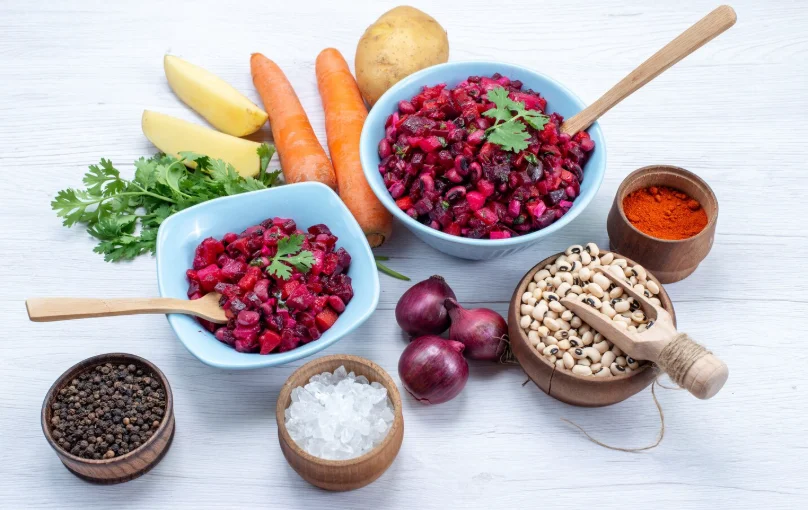
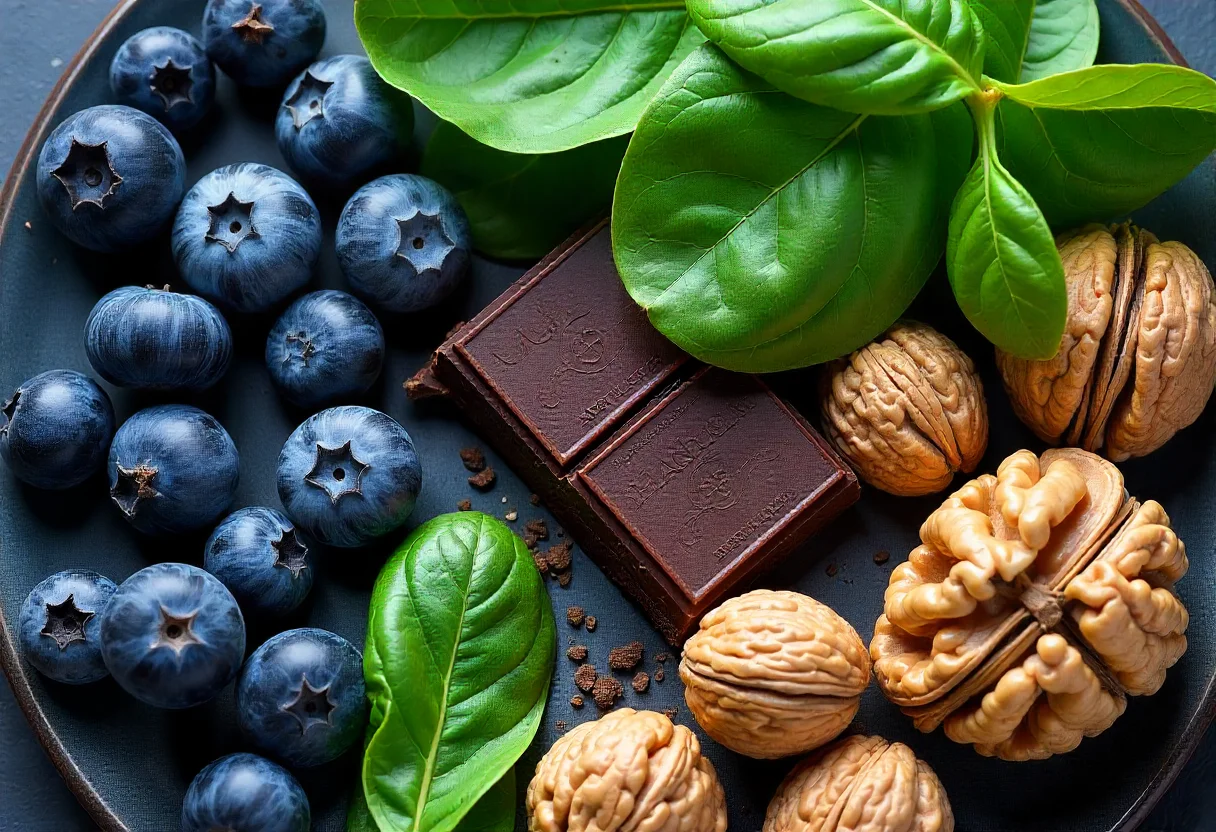
Antioxidants are found most abundantly in plant-based
foods, particularly colorful fruits and vegetables. Blueberries,
blackberries, pomegranates, grapes, red cabbage, and spinach are especially
rich sources.
Green tea, cocoa, olive oil, and spices such as
ginger, turmeric, and cinnamon contain high levels of polyphenols. Nuts and
legumes also contribute to antioxidant defense.
Scientific literature emphasizes that dietary
diversity is more effective than relying on a single “superfood.” Antioxidants
act synergistically; therefore, regular consumption from multiple natural
sources is the healthiest approach.
How do antioxidants help prevent heart disease?
The underlying mechanisms of heart disease
involve vascular inflammation and oxidative damage. Antioxidants prevent the
oxidation of LDL cholesterol, thereby slowing plaque formation in arterial
walls. They also protect the endothelial lining of blood vessels, improving
blood flow and vascular elasticity.
Epidemiological studies consistently show that
individuals consuming antioxidant-rich diets have lower risks of heart attacks
and strokes. Diets high in flavonoids, in particular, demonstrate strong
cardioprotective effects supported by robust scientific evidence.
Do antioxidants reduce cancer risk?
DNA damage is a central mechanism in cancer
development. Antioxidants protect DNA from free radical-induced damage, thereby
reducing mutation risk. They also influence cellular signaling pathways
involved in cell proliferation and apoptosis, suppressing carcinogenic
processes.
However, scientific literature emphasizes that
antioxidants obtained through whole foods are safer and more effective
than high-dose supplements. Antioxidants consumed within the natural food
matrix function in a more balanced and physiologically appropriate manner.
The role of antioxidants in brain health and neurodegenerative diseases
Due to its high oxygen consumption, the brain is
particularly vulnerable to oxidative stress. Free radical damage plays a
significant role in neurodegenerative diseases such as Alzheimer’s and
Parkinson’s disease. Antioxidants help protect neurons, potentially slowing
cognitive decline.
Numerous studies have demonstrated the
neuroprotective effects of polyphenols and vitamin E, highlighting their
importance in maintaining long-term brain health.
How do antioxidants affect the immune system?
There is a bidirectional relationship between
oxidative stress and immune function. Excessive oxidative stress suppresses
immune responses, whereas adequate antioxidant intake supports optimal immune
cell activity.
Compounds such as vitamin C and polyphenols
enhance resistance to infections and help regulate inflammatory responses,
contributing to immune balance.
Do Antioxidants Slow Down Aging?
Aging is not merely a matter of chronological time; it is fundamentally a
biological process driven by the gradual accumulation of cellular and molecular
damage. One of the most widely accepted mechanisms underlying aging is oxidative
stress, a condition in which the production of reactive oxygen species
exceeds the body’s antioxidant defense capacity. These reactive molecules
damage DNA, proteins, cell membranes, and mitochondria, accelerating functional
decline in tissues and organs.
Antioxidants play a critical role in neutralizing free radicals and limiting
oxidative damage. Scientific studies suggest that diets rich in antioxidants
may slow certain aspects of biological aging by preserving cellular integrity
and supporting repair mechanisms. Polyphenols, carotenoids, and vitamins such
as C and E not only scavenge free radicals but also modulate signaling pathways
related to inflammation, mitochondrial efficiency, and cellular survival. This
dual action indicates that antioxidants do more than simply “block damage”;
they actively influence how cells respond to stress over time.
Importantly, antioxidants do not stop aging altogether. Instead, they appear
to slow the pace of age-related functional decline, a concept
often described as “healthy aging.” Individuals consuming antioxidant-rich
diets consistently show better vascular health, improved cognitive resilience,
and a lower burden of chronic inflammation as they age. These effects
contribute to longer healthspan rather than merely longer lifespan.
In summary, antioxidants are not anti-aging miracles, but they are
scientifically supported tools that help reduce cumulative cellular damage. By
lowering oxidative stress and supporting cellular homeostasis, antioxidant-rich
nutrition can meaningfully contribute to aging more slowly, more healthfully,
and with greater functional independence.
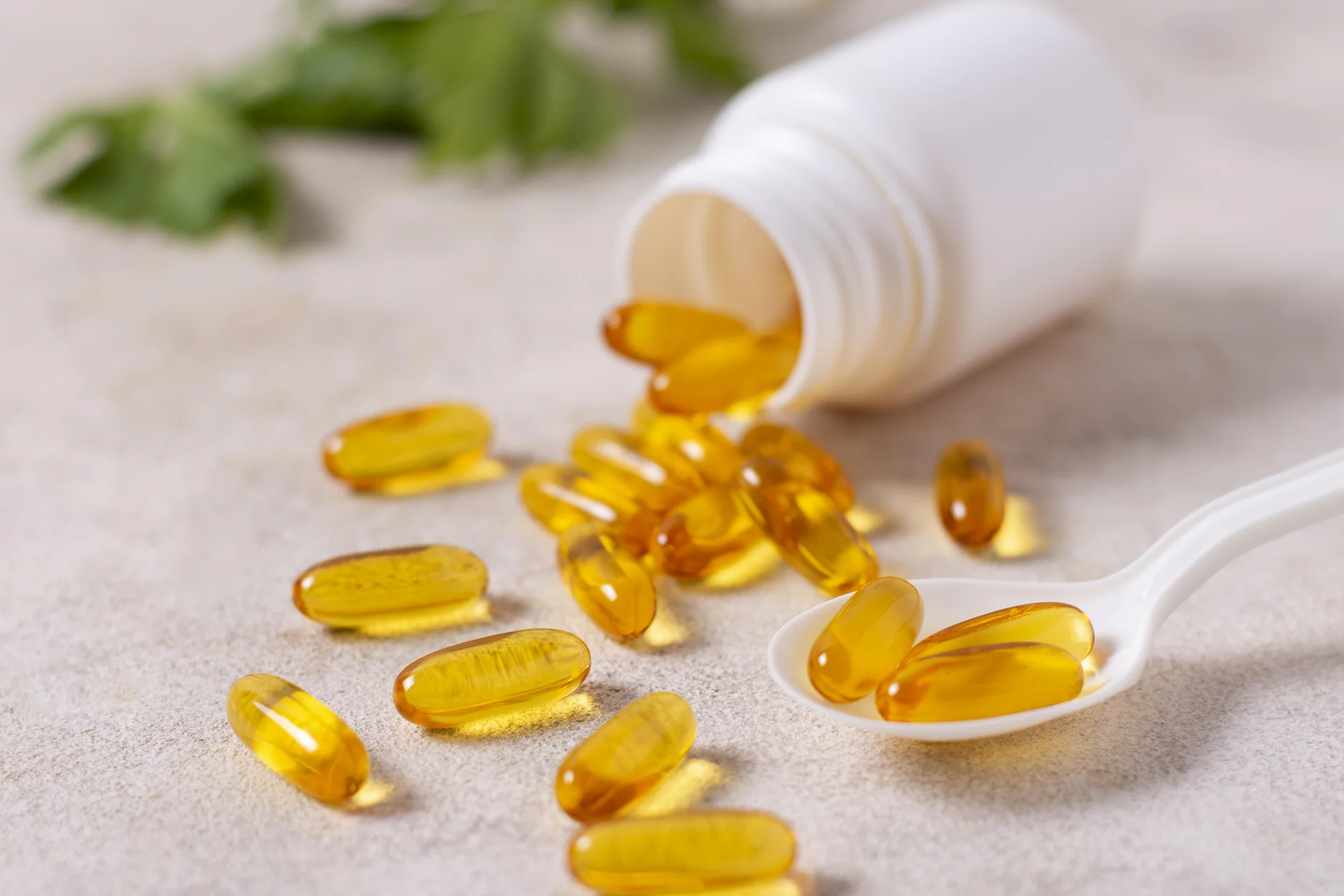
Supplements or Whole Foods: Which Is More Effective?
One of the most common questions surrounding antioxidants is whether they
should be obtained from dietary supplements or natural foods. Current
scientific consensus strongly favors whole foods as the primary source
of antioxidants for the general population. This recommendation is based on
extensive evidence showing that foods provide antioxidants within a complex
biological matrix that enhances their effectiveness and safety.
Fruits, vegetables, legumes, whole grains, and nuts contain not only
individual antioxidants but also fiber, vitamins, minerals, and thousands of
phytochemicals that interact synergistically. This synergy improves absorption,
regulates metabolic effects, and reduces the risk of excessive exposure. In
contrast, high-dose antioxidant supplements often deliver isolated compounds
without these protective interactions. Several large clinical trials have
demonstrated that excessive supplementation—particularly with fat-soluble
antioxidants such as vitamin A, vitamin E, and beta-carotene—may increase
oxidative imbalance or interfere with normal cellular signaling.
That said, supplements may be appropriate in specific clinical situations.
Individuals with malabsorption disorders, restricted diets, advanced age, or
medically confirmed deficiencies may benefit from targeted supplementation
under professional supervision. In such cases, dosing, duration, and individual
risk factors must be carefully considered.
In conclusion, antioxidant supplements should not be viewed as substitutes
for a healthy diet. They are best understood as therapeutic tools,
not preventive shortcuts. For long-term disease prevention and overall health,
a diverse, plant-rich diet remains the most effective and scientifically
supported strategy. Modern nutrition science clearly supports the principle
that sustainable health begins on the plate—not in a pill.
What Do Antioxidants Teach Us About Health?
Antioxidants have reshaped modern medicine’s understanding of chronic
disease prevention. For decades, healthcare systems focused primarily on
treating diseases after symptoms emerged. Antioxidant research, however, has
demonstrated that many chronic illnesses—such as cardiovascular disease,
diabetes, cancer, and neurodegenerative disorders—develop gradually through
years of oxidative stress and low-grade inflammation.
This insight highlights a critical lesson: disease is often a process,
not an event. Antioxidants help interrupt this process by reducing cellular
damage long before clinical disease becomes apparent. In doing so, they shift
the focus of healthcare from reactive treatment to proactive prevention. This
paradigm aligns with the growing emphasis on lifestyle medicine and public
health nutrition.
Antioxidants also challenge the notion that single nutrients can act as
“magic bullets.” Research consistently shows that isolated compounds rarely
produce meaningful benefits on their own. Instead, health outcomes depend on
overall dietary patterns, physical activity, sleep quality, stress management,
and metabolic balance. Antioxidants work best as part of this integrated
system, reinforcing the importance of a holistic approach to health.
Ultimately, antioxidants teach us that health does not begin in hospitals or
pharmacies—it begins in everyday choices. What we eat daily influences cellular
resilience, immune competence, and long-term disease risk. Science increasingly
confirms that prevention is more effective, more economical, and more humane
than treatment. Antioxidant-rich foods stand as one of the most accessible and
evidence-based tools for protecting health across the lifespan.
Visiting Researcher&Lecturer - University College London, Mechanical Engineering and Faculty of Medicine, UK
Visiting Lecturer - University of Aveiro, Faculty of Biomedical Engineering, Portugal
References
(Single List – Minimal)
- World Health Organization (WHO). Diet, Nutrition and the Prevention
of Chronic Diseases
- Halliwell B, Gutteridge JMC. Free Radicals in Biology and Medicine
– Elsevier
- Calder PC. Oxidative stress and chronic disease. The Lancet
- Vauzour D et al. Polyphenols and human health. Nutrition Reviews
(Wiley)
- Liu RH. Health benefits of fruits and vegetables. Journal of
Agricultural and Food Chemistry
- Springer Nature. Antioxidants and Chronic Disease Prevention
- PubMed Reviews: Oxidative stress, antioxidants, and disease risk