




CAN WE NAVIGATE THE MENOPAUSE PERIOD COMFORTABLY? WHICH SUPPLEMENTS CAN BE USED DURING MENOPAUSE?
A different perspective on menopause
What is perimenopause?
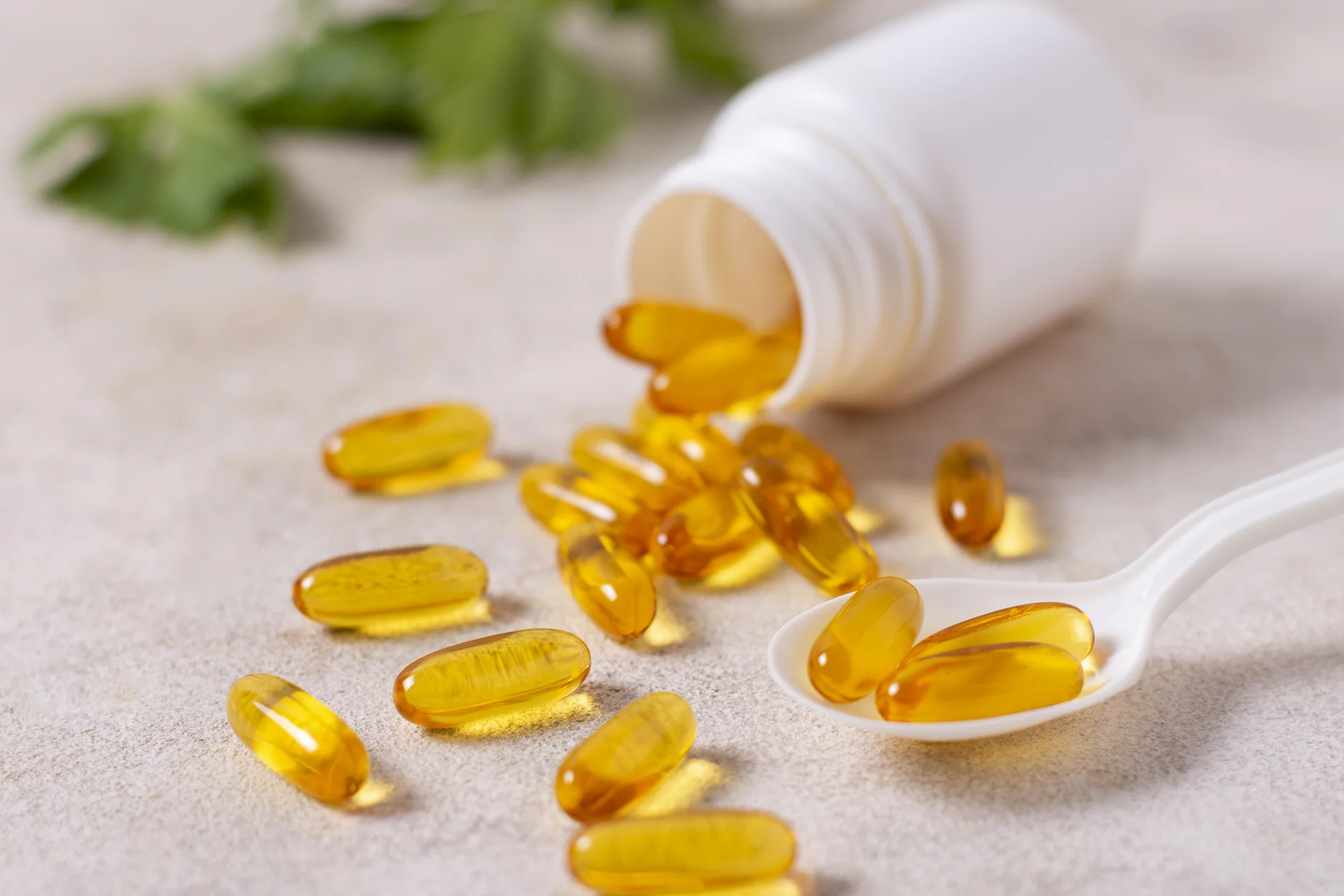
Supplements beneficial during perimenopause
Black Cohosh: A safe supplement, particularly effective against hot flashes.
Magnesium: Magnesium is an important mineral for body health during menopause. Decreased estrogen levels can cause decreased bone density and an increased risk of osteoporosis. Magnesium can help support bone health during this process, as well as regulate sleep quality and protect against Alzheimer's. The glycinate form can be preferred for the nervous system, the L-threonate form for protection against Alzheimer's, the malate form for energy support, and the citrate form for improving sleep quality.
Vitamin D: It is one of the important supplements to reduce the risk of osteoporosis, support the immune system and positively affect changing moods. Especially D3K2 forms can be used. Here, taking it together with vitamin K2 prevents calcium in the body from passing into the blood and allows it to be stored in the bones, supporting the strengthening of the bones and at the same time preventing the accumulation of calcium in the tissues.
Calcium: Essential for bone health, protecting against osteoporosis linked to reduced estrogen.
Chaste Seed: It helps to balance hormonal fluctuations. In particular, it helps to improve the balance between estrogen and progesterone and reduce estrogen fluctuations during premenopause. It will also support the improvement of hot flashes, menstrual irregularities, mood changes by improving estrogen fluctuations. Sberian Rhubarb, Red Clover and soya isoflavans can also be used for similar purposes.
DIM (Diindolylmethane): It has a balancing effect on estrogen metabolism and helps to reduce harmful estrogen metabolites. This balancing is very important for the body and helps hormones to function in a healthier way. It can also reduce the negative effects of excessive or unbalanced effects of estrogen, such as breast cancer.
D-glucarate: D-gluconate plays an important role in maintaining bone health by supporting easier absorption of minerals in the body and is a valuable supplement, especially during menopause.
Omega-3 Fatty Acids: It reduces inflammation in the body and supports the alleviation of hot flashes.
Resveratrol: In addition to its strong anti-oxidant and anti-inflammatory effects, it is phytoestrogenic. This allows resveratrol to mimic the effects of estrogen in the body. Thus, it alleviates complaints such as hot flushes and night sweats due to decreasing estrogen.
Vitamin E: It supports the protection of skin health.
Aromatherapy oils for perimenopause
There are many valuable medicinal aromatherapy oils that support women during premenopause and help to reduce their stress. In this process, personalised stress sniffing can be done, as well as Clary Sage and Ylang Ylang are generally used.
Clary Sage: A good clary sage should have a high linalyl acetate content (Linalyl Acetate 82%, Linalol 14%, etc.). Clary sage with high linalyl acetate ratio provides a decrease in cortisol levels (reducing stress) and balancing estrogen levels in women. Clary sage, which can be used in menopause and premenopause periods, can be used by smelling and rubbing. In addition, clary sage is effective in reducing menstrual pain in women's menstrual periods, both by smelling and by massaging the groin area.
Ylang Ylang: Balances estrogen and oxytocin levels, alleviating menopause symptoms and boosting confidence.
Skin changes during menopause
How to Support Skin Health?
Csupor D, et al., Vitex agnus-castus in premenstrual syndrome: A meta-analysis of double-blind randomised controlled trials. Complement Ther Med. (2019).
Seol GH, et al., Randomized controlled trial for Salvia Sclarea or Lavandula Angustifolia: Differential effects on blood pressure in female patients with urinary incontinence undergoing urodynamic examination. J Altern Complement Med. (2013).
Mitic M, et al., Clary sage essential oil and its effect on human mood and pulse rate: An in vivo pilot study. Planta Med. (2020).
Gnatta JR, et al., Aromatherapy with ylang ylang for anxiety and self-esteem: a pilot study. Rev Esc Enferm USP. (2014).
Tarumi W, et al., The effects of essential oil on salivary oxytocin concentration in postmenopausal women. J Altern Complement Med. (2020).