





When Should a Child’s First Dental Visit Take Place?
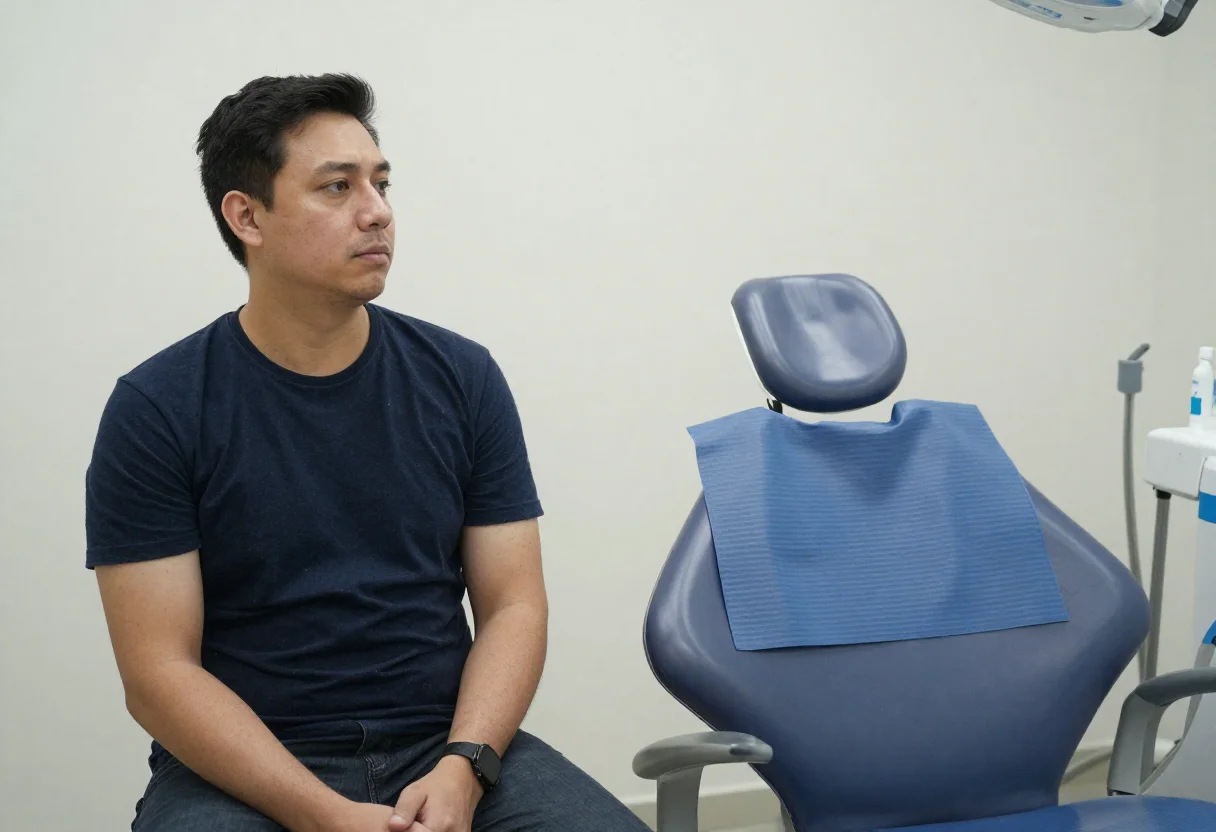
Why Are Children Afraid of the Dentist?
Fear of the dentist is quite common among children. Many parents report that their children avoid dental check-ups or have difficulty sitting in the dentist’s chair. So, why are children afraid of the dentist? Here are the most common reasons behind dental fear in children:
- Fear of the unknown: Children often feel anxious in new environments when they don’t know what to expect. This is a general reaction and not something specific to the dentist.
- Sounds of dental instruments: The noises made by dental instruments during a check-up or treatment can be unfamiliar and frightening to children.
- Past negative experiences: Children who have had a painful or uncomfortable dental procedure before may find it hard to go back to the dentist. In such cases, both parents and dentists need to approach the child more sensitively.
- Parents’ anxiety: Children mirror their parents’ feelings. If parents talk negatively about the dentist – even if they think the child isn’t listening – the child can sense this and develop a fear of the dentist.
- Influence of friends: Peer influence is powerful in early childhood. School-age children might become hesitant about the dentist after hearing exaggerated “scary” stories from their friends.
What Can Be Done to Help Children Overcome Their Fear of the Dentist?
There are many effective methods today to help children overcome their fear of the dentist:
- Virtual reality headsets: These devices distract the child from the clinic environment and the dental procedure, helping to reduce anxiety. However, care must be taken when using them with very young children.
- Tell-Show-Do method: The dentist first tells the child what will be done, then shows the instruments, and finally does the procedure. This way, the child knows what to expect and feels less worried.
- Dog-assisted therapy: For children who are not afraid of animals, therapy dogs can help calm them and lower their stress levels.
- Behaviour guidance techniques: Dentists often use games or reward systems as a routine method to ensure the child has a positive experience and stays relaxed.
How Can You Prepare Your Child for a Visit to the Dentist?
Reducing dental fear in children and turning a dental check-up into a positive experience is possible with the right approach from parents. As a parent, you can do several things to make sure your child’s first dentist experience is a positive one. Here are some strategies you can try:
- Inform beforehand: For older children, provide age-appropriate information about the upcoming dentist visit. Knowing what they will encounter at the clinic can help reduce their anxiety.
- Use stories and play: Storybooks that portray dentists as friendly heroes, or playing pretend dentist with toys, can help ease your child’s worries.
- Use positive language: When talking about the appointment, avoid saying things like “It won’t hurt at all.” Instead, use positive phrasing like “The dentist will make your teeth all nice and clean.”
- Create a comforting environment: Familiar objects can help children adjust to new places more easily. Let your child bring a favourite toy or listen to a beloved song on the way to the dentist to help them feel more at ease during the visit.
What Can Children Expect During Their First Dental Exam?
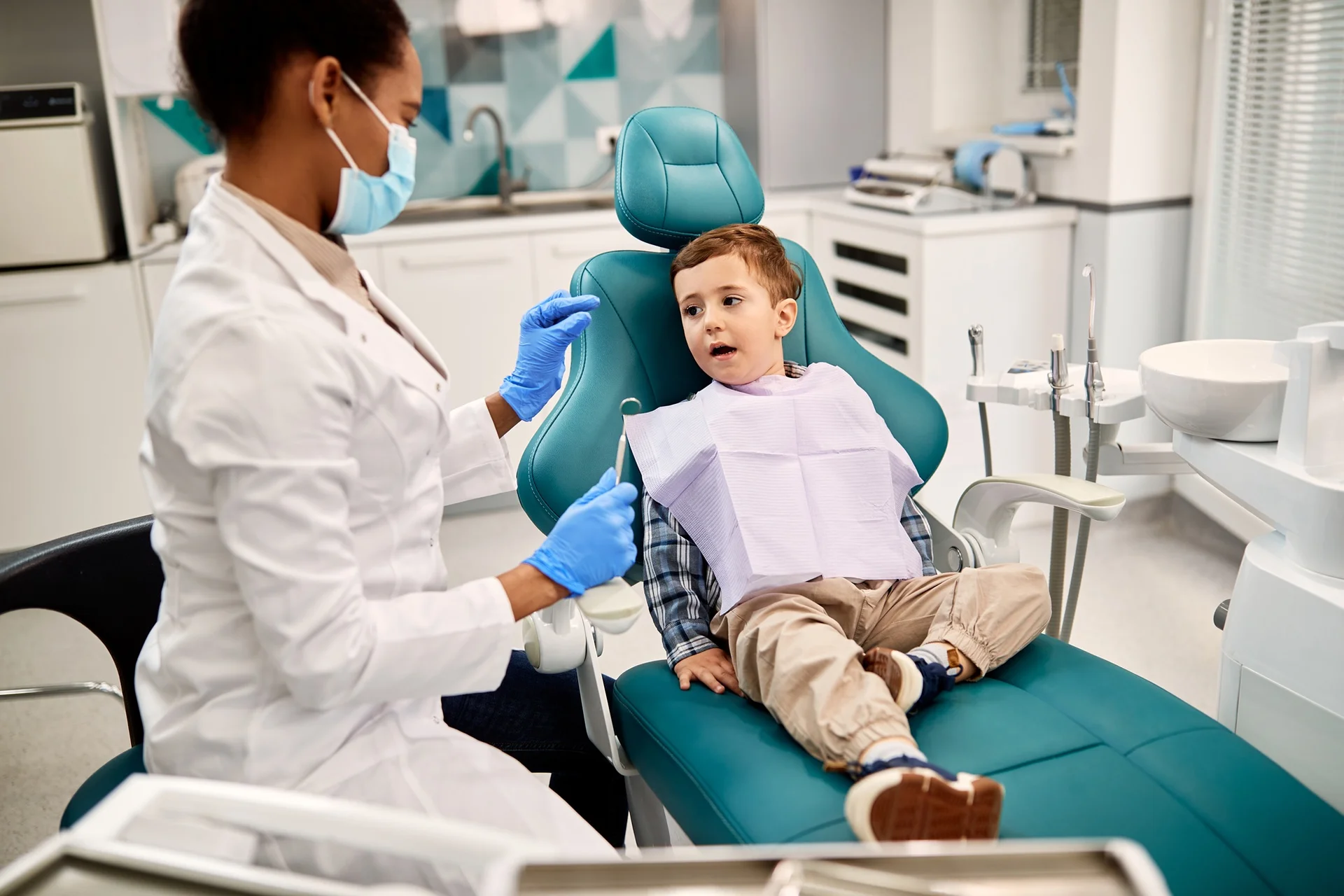
A child’s first dental appointment should not be scary. In fact, it can even be a fun experience. The first check-up is usually short and painless — just as it should be. Here are some things you can expect during your child’s first visit:
- The dentist will assess your child’s teeth and jaw development.
- The instruments used during the exam will be introduced, and your child will be helped to get comfortable with the dental chair.
- A simple teeth cleaning (a polishing) will be performed.
- If your child is cooperative, small procedures that don’t require any anaesthetic may be done.
Dentists may also use methods like the Frankl Behaviour Rating Scale to understand how a child is coping during the examination. This scale helps determine your child’s anxiety level and allows the dentist to adopt an appropriate approach for your child.
Common Misconceptions
Pinheiro, et al., Dog-assisted therapy for control of anxiety in pediatric dentistry. (2023)
Pisano, et al.,. The use of audiovisual distraction tools in the dental setting for pediatric subjects with special healthcare needs: A review and proposal of a multi-session model for behavioral management. (2024)
Kohli, N., et al., Psychological behavior management techniques to alleviate dental fear and anxiety in 4–14-year-old children in pediatric dentistry: A systematic review and meta-analysis (2022).
Fakhruddin, et al., Effectiveness of audiovisual distraction in behavior modification during dental caries assessment and sealant placement in children with autism spectrum disorder. (2017).
Wu, et al., Effects of a virtual reality game on children’s anxiety during dental procedures (VR-TOOTH): Protocol for a pilot randomized controlled trial. (2023).
Shukla, et al., Acceptance of parents for behavior management technique with reference to previous dental expertise and dental anxiety. (2021).
Rajeswari, et al., Effectiveness of cognitive behavioral play therapy and audiovisual distraction for management of preoperative anxiety in children. (2019).
Donnell and C. C. Classifying children’s behaviour at the dentist—What about ‘burnout’? (2023).