


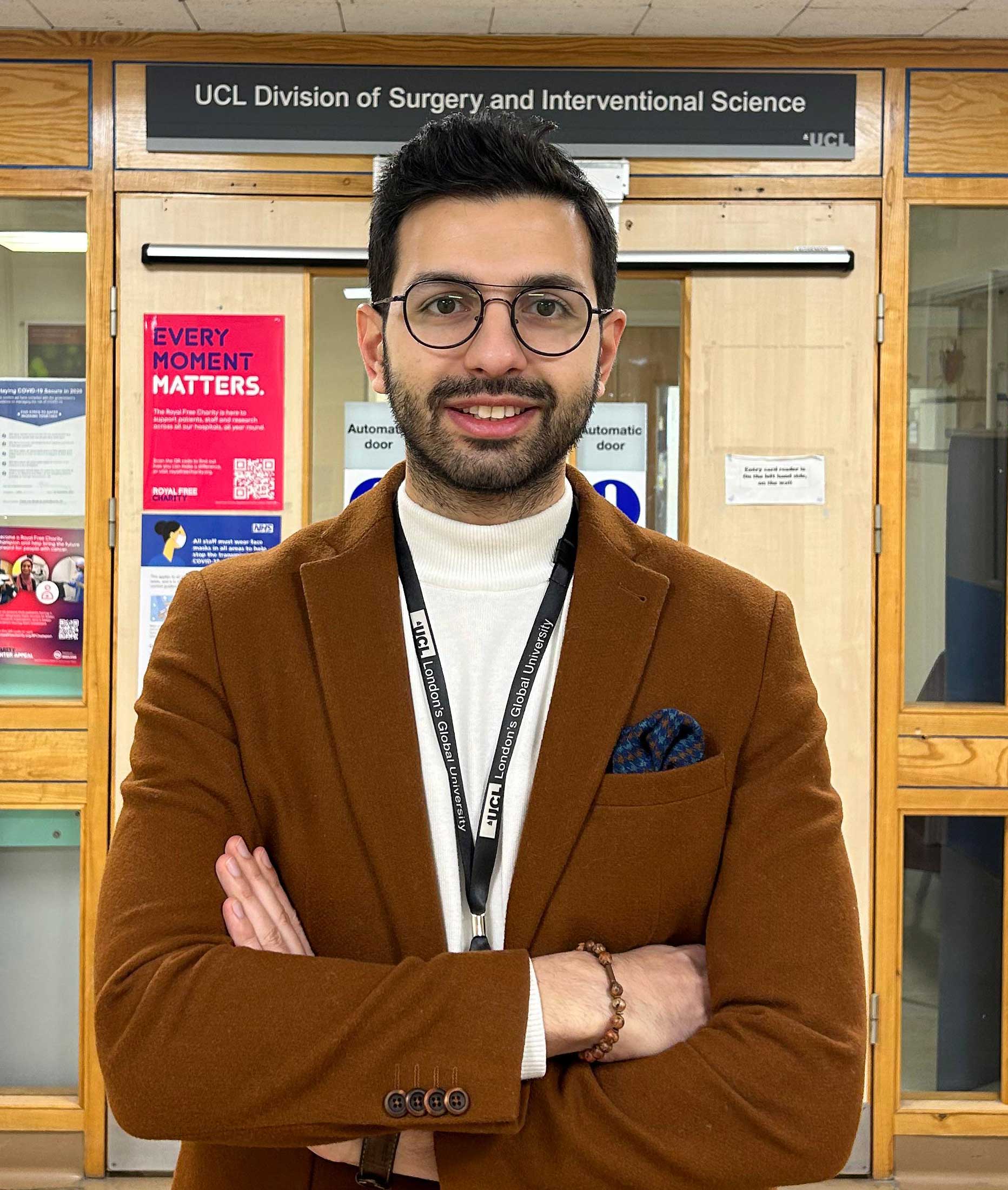
Rector Advisor, Vice Dean, and Faculty Member - Istanbul Kent University, Faculty of Pharmacy, Departmant of Pharmocology
Visiting Researcher&Lecturer - University College London, Mechanical Engineering and Faculty of Medicine, UK
Visiting Lecturer - University of Aveiro, Faculty of Biomedical Engineering, Portugal
Visiting Researcher&Lecturer - University College London, Mechanical Engineering and Faculty of Medicine, UK
Visiting Lecturer - University of Aveiro, Faculty of Biomedical Engineering, Portugal
Editorial note
Map of Health content is prepared with an evidence-based approach. References are provided for transparency.
Medical disclaimer
This content is for informational purposes only and does not replace professional medical advice, diagnosis, or treatment. If you have an urgent medical concern, seek immediate care.
"Scientific evidence suggests a link between dairy consumption and acne, particularly in adolescents, with low-fat milk and high IGF-1 levels playing significant roles."
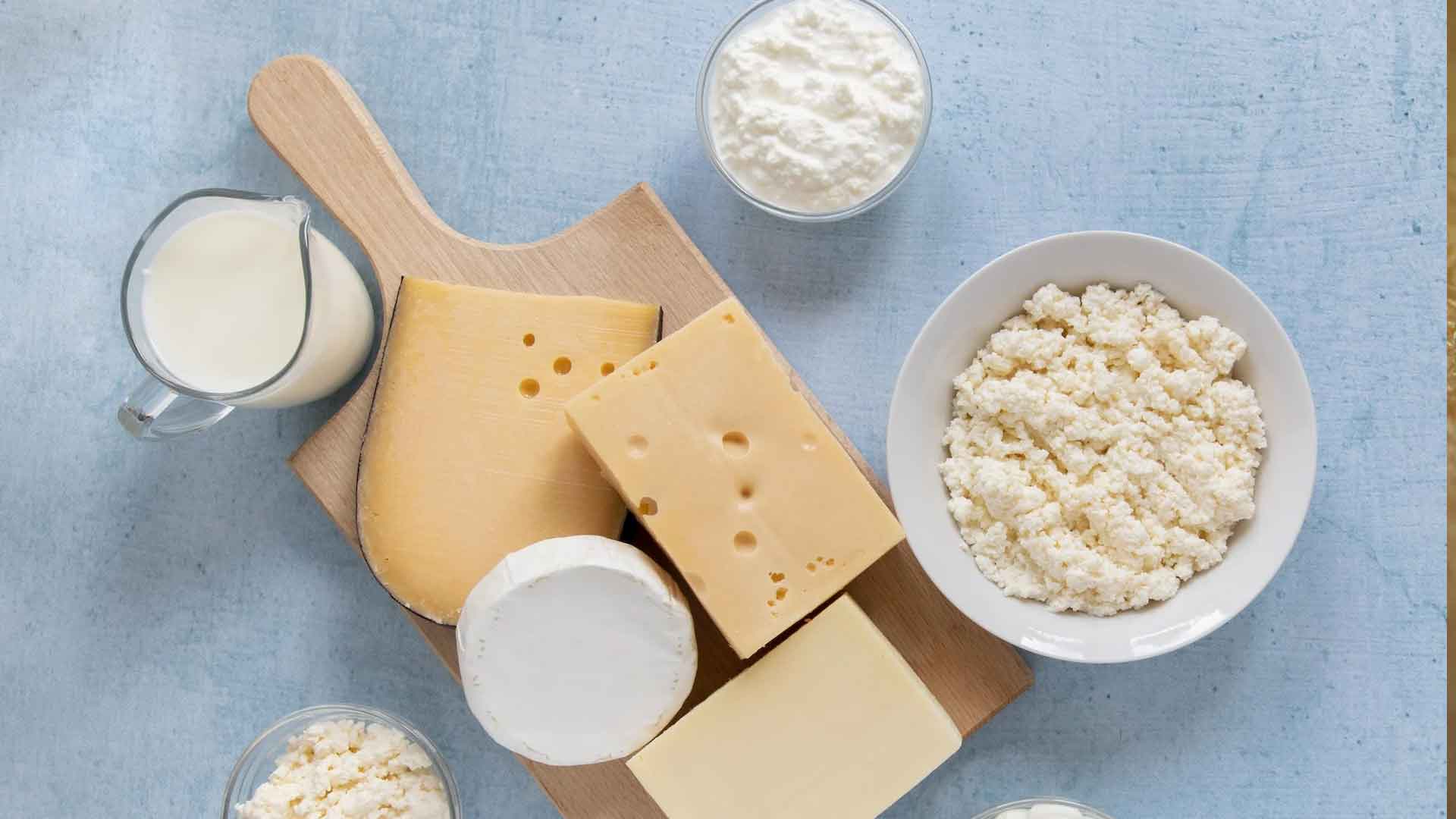
Dairy Products and Acne Relationship: What Does Science Say?
| Observation / Findings | Possible Cause | Scientific Note | Recommendation |
| Acne is more common in adolescents who consume dairy | Hormones in milk may increase sebum production | Studies show correlation, not causation | Reduce dairy and monitor symptoms |
| Low-fat milk triggers higher insulin response | Increased insulin may stimulate androgens | Low-fat milk may be more acnegenic than whole milk | Try plant-based alternatives |
| Dairy increases IGF-1 levels | IGF-1 increases sebum and keratin production | IGF-1 sensitivity is higher during adolescence | Be cautious about IGF-1 levels |
| Cheese and yogurt have less effect | Hormone levels are lower in fermented products | Clinical effects may vary among individuals | Prefer fermented dairy |
| Probiotic yogurt may reduce acne in some individuals | It may reduce inflammation by regulating gut balance | Similar effect observed with probiotic supplements | Take probiotics for gut health |
Assoc. Prof. Muhammet Emin Çam
Rector Advisor, Vice Dean, and Faculty Member - Istanbul Kent University, Faculty of Pharmacy, Departmant of Pharmocology
Visiting Researcher&Lecturer - University College London, Mechanical Engineering and Faculty of Medicine, UK
Visiting Lecturer - University of Aveiro, Faculty of Biomedical Engineering, Portugal
Visiting Researcher&Lecturer - University College London, Mechanical Engineering and Faculty of Medicine, UK
Visiting Lecturer - University of Aveiro, Faculty of Biomedical Engineering, Portugal