





Visiting Researcher&Lecturer - University College London, Mechanical Engineering and Faculty of Medicine, UK
Visiting Lecturer - University of Aveiro, Faculty of Biomedical Engineering, Portugal
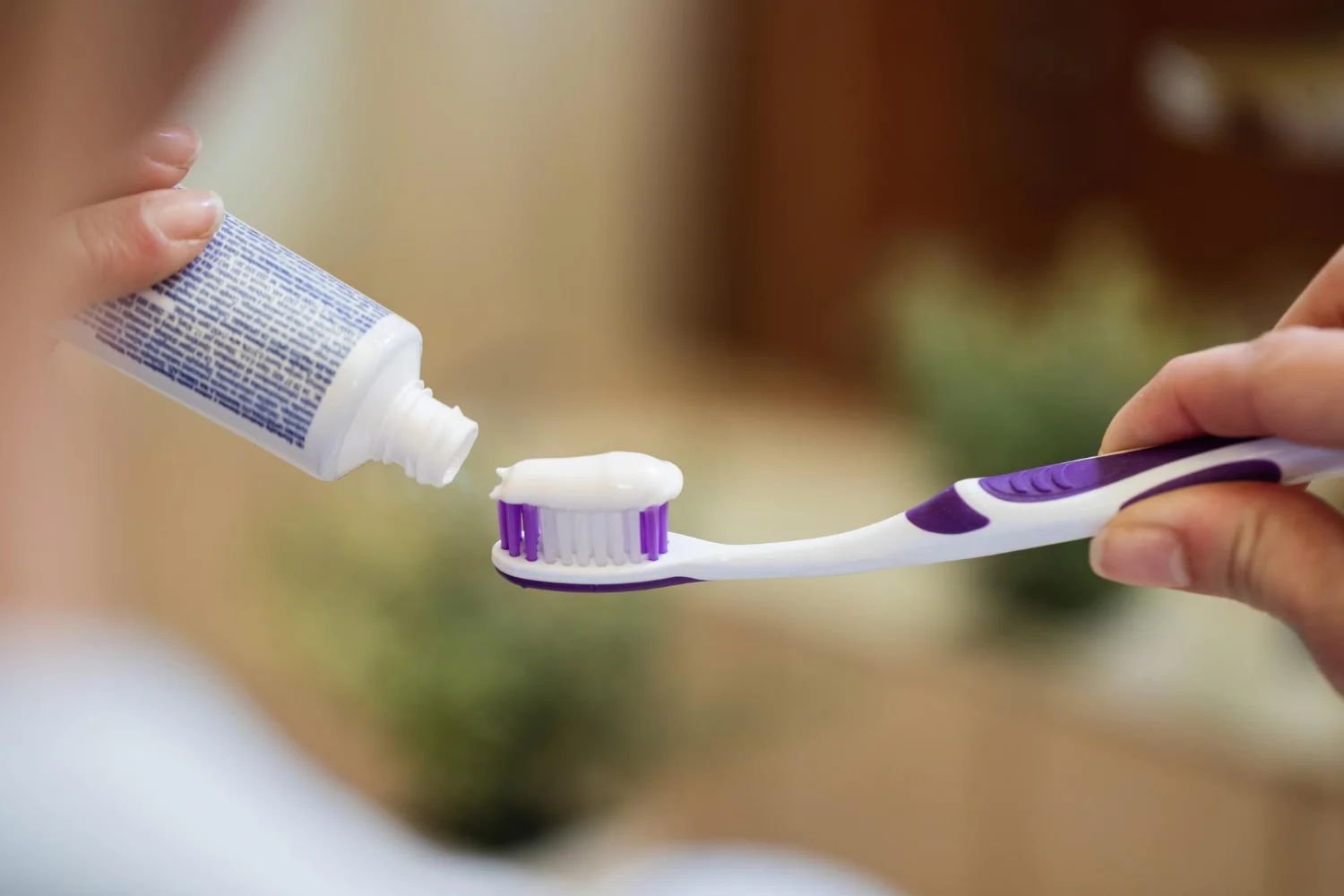
What Is Fluoride-Free Toothpaste? What It Means—and What It Doesn’t
Fluoride-free toothpaste is an oral care product formulated without fluoride compounds (e.g., sodium fluoride, sodium monofluorophosphate, stannous fluoride). This label does not automatically mean fluoride is “bad”; it simply indicates that the product’s cavity-prevention strategy is not fluoride-based. Fluoride-free formulas are often chosen for plaque control, breath freshness, surface cleaning, and in some cases, sensitivity or gum-support goals depending on the ingredients.
The key point is that “fluoride-free” is not a universal health guarantee. In people at higher cavity risk, fluoride toothpastes generally have stronger evidence for caries prevention. Fluoride-free choices may make sense for those with low cavity risk, situations where total fluoride exposure is being managed, or individuals with specific ingredient preferences or tolerances. The most rational approach is to treat fluoride-free toothpaste as a strategic option aligned with risk profile—not a one-size-fits-all “better” choice.
Who Should Consider Fluoride-Free Toothpaste? A Risk-Based Decision
Choosing fluoride-free toothpaste should be framed as a risk-based decision. For individuals with low cavity risk—consistent brushing, low sugar frequency, good oral hygiene habits, and regular dental checkups—fluoride-free options can be practical. Some people also choose fluoride-free products due to sensitivities to certain ingredients or a preference for simpler formulations.
However, for people with higher cavity risk, fluoride-free toothpaste may not be an optimal standalone choice. Dry mouth, orthodontic appliances, frequent snacking, and a strong history of cavities typically require a more robust prevention strategy. If fluoride-free use is still preferred, building a personalized plan with a dental professional—diet strategy, interdental cleaning, and when indicated, professional preventive care—can reduce risk. In short, fluoride-free is not about “good vs bad,” but “appropriate vs not appropriate” for a given risk profile.
Does Fluoride-Free Toothpaste Increase Cavity Risk? A Practical Framework
It is not scientifically accurate to say fluoride-free toothpaste directly “causes cavities.” Cavities develop through multiple interacting factors. However, because fluoride provides a strong protective mechanism against decay, fluoride-free products may offer less cavity protection than fluoride toothpastes under similar conditions—especially in higher-risk individuals.
If you choose fluoride-free toothpaste, the behavioral layer must become stronger: effective twice-daily brushing, interdental cleaning, reducing sugary/starchy snacking frequency, adequate hydration, and regular dental checkups. Some fluoride-free formulas include supportive ingredients such as xylitol that may help with plaque control, but this is not equivalent to fluoride’s remineralization benefits. The best strategy is to build fluoride-free use around “product choice + behavior + monitoring” as a complete risk-management system.
Fluoride-Free Toothpaste for Kids: When Might It Be Considered?
In children, fluoride-free toothpaste is often considered due to concerns about swallowing. Young children may ingest toothpaste before they reliably learn to spit. Families may want to minimize total fluoride exposure. However, the decision should not be driven by a single concern, because children can also be at high risk for cavities.
If fluoride-free use is considered, it is important to assess caries risk: sugar/snack frequency, brushing supervision, and overall oral hygiene. Because cavities can progress quickly in children, fluoride benefits may be especially important in higher-risk cases. If fluoride-free is chosen, strengthen supervision, keep dosing appropriate, reduce sugar frequency, and maintain regular dental checkups. The safest approach is a dentist-guided, individualized decision for the child’s specific risk profile.
Fluoride-Free Toothpaste for Sensitive Teeth: What to Expect
Tooth sensitivity often occurs when dentin tubules become exposed, triggering sharp pain with cold, heat, or sweet stimuli. Some fluoride-free toothpastes include sensitivity-focused actives (e.g., potassium salts or tubule-blocking ingredients), but effectiveness depends on the specific formula. “Fluoride-free” alone does not equal sensitivity treatment.
Sensitivity can be driven by gum recession, aggressive brushing, acidic drinks, clenching/grinding, or more serious issues like decay or cracks—so persistent sensitivity deserves professional evaluation. If choosing a fluoride-free sensitivity toothpaste, consider lower abrasivity, use a soft-bristled brush, and reduce acid/sugar triggers to improve results. Ultimately, sensitivity management succeeds when product choice is paired with addressing the root cause.
“Natural/Organic” Fluoride-Free Toothpaste: A Practical Label-Reading Strategy
Fluoride-free toothpastes are often marketed as “natural” or “organic.” These labels do not automatically guarantee clinical effectiveness or safety—ingredient lists matter. Key checks include abrasive components (overly aggressive particles), potentially irritating detergents, strong flavors/essential oils that may trigger sensitivity, and broad “free-from everything” claims that don’t inform performance.
Choosing “natural” may be about tolerance and long-term adherence, but for high-cavity-risk individuals, selecting fluoride-free purely for a marketing claim can increase risk. The best approach is to match the product to your risk profile and consult a dental professional when needed. Also, “whitening” fluoride-free formulas may rely on higher abrasivity, which can negatively affect enamel over time. Label reading is more valuable than marketing language.
Ingredients to Watch in Fluoride-Free Toothpaste: A Practical Checklist
There is no single universal “must not contain” list because tolerance varies by person. However, certain ingredients can be problematic for sensitive users: overly aggressive abrasives, harsh detergents that may irritate oral tissues, and strong flavoring agents that can worsen dryness, burning, or ulcer tendencies in some individuals. This does not apply to everyone, but it matters for those with lower tolerance.
When choosing fluoride-free products, balance “cleaning power” with “gentleness.” A formula that is too mild but cleans poorly may weaken plaque control and contribute to gum issues. Even botanical extracts and fragrances can trigger reactions in allergy-prone individuals. The best approach is to monitor your own response, switch products if symptoms occur, and seek professional evaluation if problems persist.
Fluoride-Free Whitening Claims: Realistic Expectations and Risks
Some fluoride-free toothpastes are marketed as “whitening.” In many cases, this refers to mechanical removal of surface stains rather than true shade change, so the whitening effect may be limited. To enhance stain removal, some formulas may increase abrasivity. While this can make teeth look brighter short term, it can also raise the risk of microscopic enamel wear over time.
For people with sensitivity, abrasive “whitening” products can worsen symptoms. A more sustainable approach includes lower-abrasivity options, professional cleanings, and managing staining habits (coffee/tea, tobacco). If you prefer fluoride-free products, treat whitening claims as marketing language and prioritize label details and tolerability.
Fluoride vs Fluoride-Free: A Decision Matrix (Risk, Age, Lifestyle)
The best answer to “fluoride or fluoride-free?” depends on a personalized decision matrix. In higher cavity-risk individuals, fluoride toothpastes are typically more advantageous; in low-risk individuals, fluoride-free options may be considered. For children, swallowing behavior, parental supervision, and sugar/snack frequency are key. Additional factors such as sensitivity, dry mouth, orthodontics, and gum problems should also be included.
Lifestyle choices—frequent snacking, acidic beverages, inconsistent brushing—raise cavity risk and make fluoride’s protective value more important. If choosing fluoride-free, the system must be built with stronger hygiene discipline, interdental cleaning, and regular monitoring. In this framework, the “healthiest toothpaste” is not one product, but the most sustainable plan matched to your risk profile.
Best Practices with Fluoride-Free Toothpaste: Daily Routine and Monitoring
If you use fluoride-free toothpaste, outcomes improve when your routine is disciplined. Brush twice daily for at least two minutes, use a soft-bristled brush, clean between teeth (floss or interdental brushes), and reduce frequent sugary snacking. Hydration and managing dry mouth drivers also matter for both cavities and gum health.
An “early warning” mindset is important: if sensitivity increases, gums bleed, new early decay signs appear, or staining worsens, reassess your routine. Regular dental checkups help update your risk profile over time. What makes fluoride-free use sustainable is not the product name but the quality of habits. With the right plan, fluoride-free use may be viable—but when risk rises, revisiting the strategy is the most rational move.
Visiting Researcher&Lecturer - University College London, Mechanical Engineering and Faculty of Medicine, UK
Visiting Lecturer - University of Aveiro, Faculty of Biomedical Engineering, Portugal