



Assoc. Prof. Muhammet Emin Çam
Rector Advisor, Vice Dean, and Faculty Member - Istanbul Kent University, Faculty of Pharmacy, Departmant of Pharmocology
Visiting Researcher&Lecturer -  University College London, Mechanical Engineering and Faculty of Medicine, UK
Visiting Lecturer - University of Aveiro, Faculty of Biomedical Engineering, Portugal
Editorial note
Map of Health content is prepared with an evidence-based approach. References are provided for transparency.
Medical disclaimer
This content is for informational purposes only and does not replace professional medical advice, diagnosis, or treatment. If you have an urgent medical concern, seek immediate care.
"To contribute to the healthy maintenance of lung functions, incorporating natural foods rich in antioxidants into your diet is an effective way to support your overall respiratory health."

Foods Beneficial for Lung Health

Foods Beneficial for Lung Health

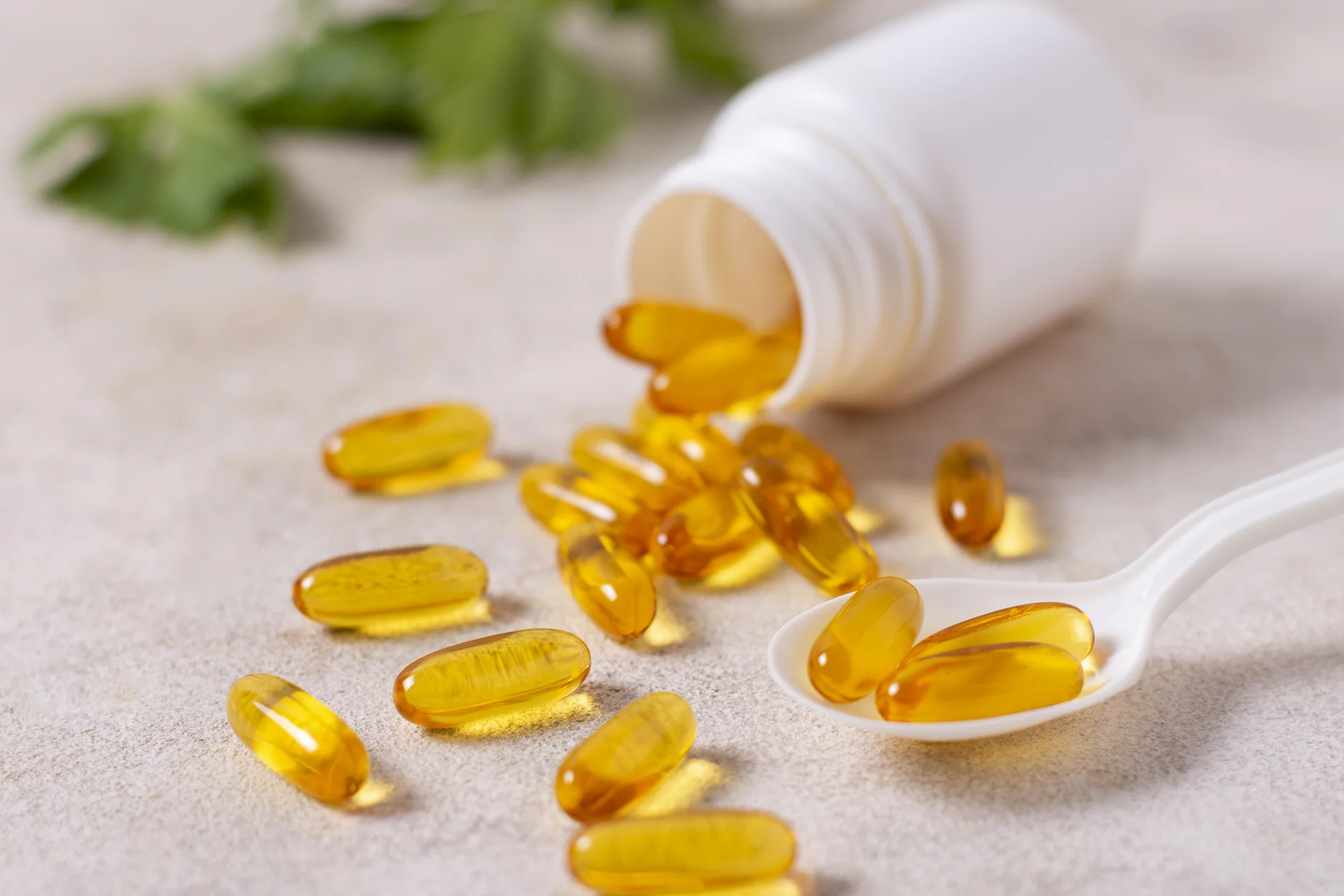
Food SupplementHealth BenefitRecommended Daily Consumption (Daily)
Omega-3Prevents inflammation, supports kidney functions1000-3000 mg
Coenzyme Q10Protects cells, improves kidney health100-200 mg
MagnesiumBalances blood pressure, reduces the risk of kidney stones200-400 mg
Vitamin DStrengthens immunity, reduces inflammation1000-4000 IU
N-Acetyl Cysteine (NAC)Detoxifies, increases oxygen levels600-1200 mg
B Vitamin ComplexProduces energy, supports kidney functions50-100 mg
PotassiumRegulates blood pressure, supports muscles2000-3500 mg
ProbioticProtects the intestines, supports kidney health1-10 billion CFU
L-CarnitineAccelerates toxin elimination, supports the kidneys500-2000 mg
SeleniumProvides antioxidants, cleanses free radicals50-200 mcg

Assoc. Prof. Muhammet Emin Çam
Rector Advisor, Vice Dean, and Faculty Member - Istanbul Kent University, Faculty of Pharmacy, Departmant of Pharmocology
Visiting Researcher&Lecturer -  University College London, Mechanical Engineering and Faculty of Medicine, UK
Visiting Lecturer - University of Aveiro, Faculty of Biomedical Engineering, Portugal

FAQ

Key levers: avoid tobacco/secondhand smoke, keep vaccines up to date (flu/pneumococcal when indicated), exercise regularly, optimize indoor air quality, and use evidence-based breathing strategies. Seek care for red flags like persistent co…

Lungs self-clear via mucociliary clearance; the most effective “cleaning” is removing exposures—especially smoking and secondhand smoke. Some markers improve within days after quitting, but recovery timelines vary. Avoid extreme detox claim…

Improve cardiorespiratory fitness with aerobic exercise and targeted breathing techniques (diaphragmatic, pursed-lip breathing). In COPD, pulmonary rehabilitation is evidence-based. Optimize sleep, nutrition, weight, and vaccines; evaluate …

Symptoms matter, but objective tests like spirometry are key—especially for smokers or high-risk exposures. Seek evaluation for persistent cough, exertional dyspnea, hemoptysis, recurrent infections, or unexplained weight loss.

“Clearing” means supporting mucus clearance and treating the cause: hydration, activity, breathing/cough techniques, and medical therapy when infection or COPD/asthma is present. Seek urgent care for fever with dyspnea or hemoptysis.

Some markers improve within days after quitting smoking, and short-term lung function gains can occur, but long-term recovery depends on damage type (e.g., emphysema may not fully reverse). Quitting is the most powerful step; add exercise, …

“Congestion” can reflect mucus, infection, airway narrowing, or even heart-related fluid. Assess symptoms (fever, dyspnea, orthopnea), and confirm with exam/oximetry and imaging when needed. Seek urgent care for severe dyspnea, cyanosis, or…

Breath-holding is not a primary lung-health strategy and can increase dizziness/syncope risk. Prefer evidence-based breathing techniques (diaphragmatic, pursed-lip) and regular exercise—especially for COPD/asthma.

Vaccination (flu and pneumococcal when indicated), smoking cessation, hygiene, and risk-factor control are the highest-impact steps. Nutrition supports recovery but doesn’t replace medical care; seek evaluation for fever with dyspnea or low…

Tobacco smoke (including secondhand exposure) is the leading preventable cause of major lung disease. Occupational dusts/fumes, indoor pollutants, and uncontrolled asthma/COPD also contribute. Removing exposures is the core strategy.

Quitting smoking is the cornerstone. Evidence-based care includes appropriate inhalers and pulmonary rehabilitation, which improves exercise capacity and quality of life; breathing exercises can help some patients. Vaccines, nutrition, and …

Tobacco avoidance (including secondhand smoke) is the highest-impact prevention step. Reduce occupational/environmental carcinogen exposures and discuss screening if high-risk. No food or supplement “cures” lung cancer; treatment is special…