





Visiting Researcher&Lecturer - University College London, Mechanical Engineering and Faculty of Medicine, UK
Visiting Lecturer - University of Aveiro, Faculty of Biomedical Engineering, Portugal
What Is Inflammation and Why Is It So Important?
Inflammation is the body’s natural defense mechanism against infections, toxins, and tissue injury. Acute inflammation is short-term and beneficial; however, when inflammation becomes chronic, it shifts from being protective to destructive. Low-grade chronic inflammation is often referred to as a “silent epidemic” because it can progress without obvious symptoms.
Scientific studies show that chronic inflammation damages the vascular endothelium, accelerates atherosclerosis, increases insulin resistance, and keeps the immune system in a constant state of alert. Over time, this persistent immune activation increases the risk of autoimmune reactions and tissue damage. Modern dietary patterns—characterized by refined sugars, trans fats, and ultra-processed foods—are among the strongest triggers of chronic inflammation.
Controlling inflammation is therefore essential not only for disease treatment but also for disease prevention. Anti-inflammatory dietary strategies represent a scientifically grounded, non-pharmacological approach to long-term health protection.
What Is Ginger and Why Is It Anti-Inflammatory?
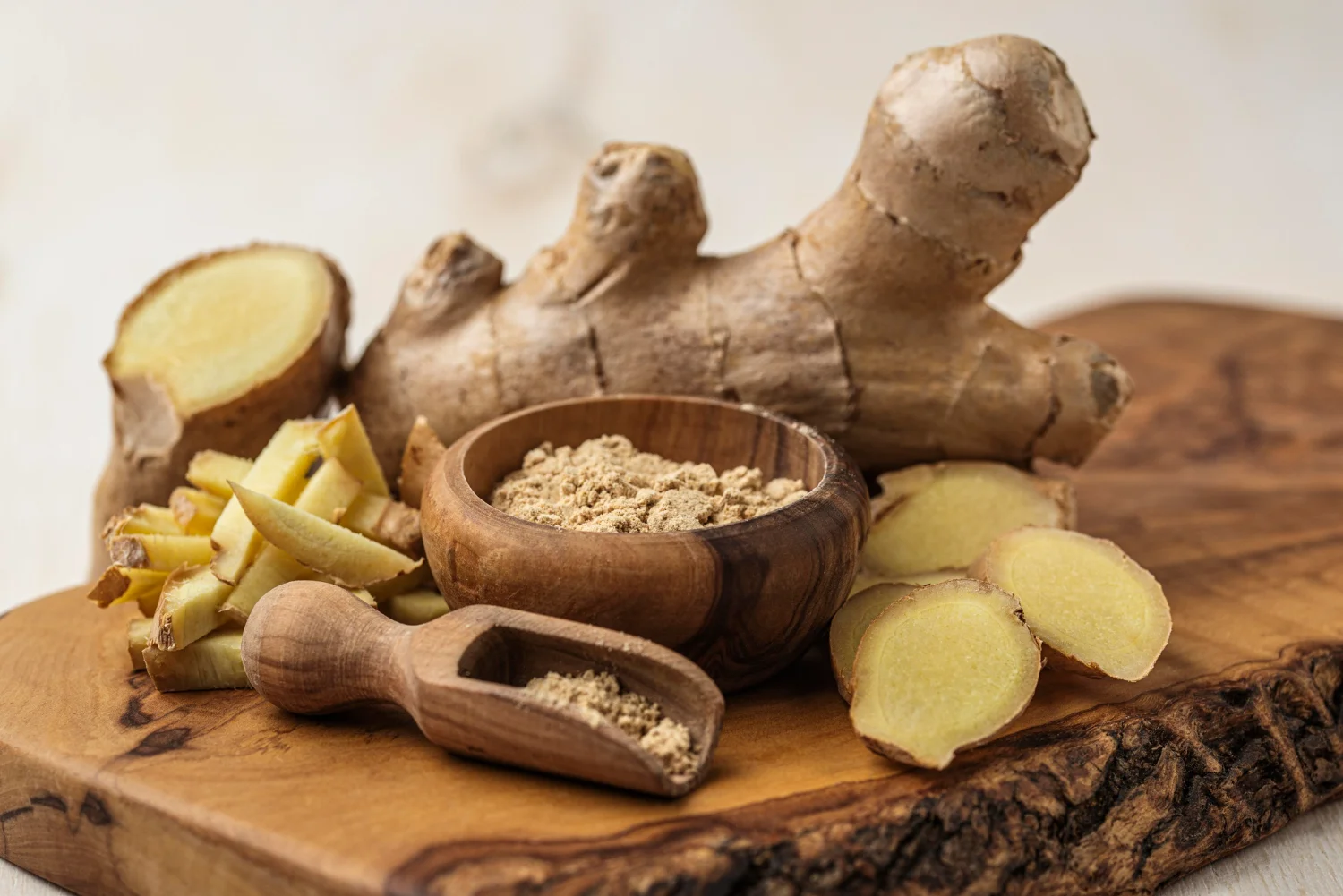
Ginger (Zingiber officinale) is a medicinal plant that has been used for thousands of years in traditional medicine and whose efficacy has now been confirmed by modern science. Its primary bioactive compounds—gingerol, shogaol, and zingerone—have potent anti-inflammatory properties.
Research demonstrates that ginger inhibits the synthesis of pro-inflammatory mediators such as prostaglandins and leukotrienes. This mechanism resembles that of non-steroidal anti-inflammatory drugs (NSAIDs), but ginger achieves this effect with a significantly lower risk of gastrointestinal and renal side effects.
Ginger also exerts strong antioxidant activity, which is crucial because oxidative stress and inflammation reinforce each other. Clinical studies have shown that regular ginger consumption can significantly reduce joint pain, muscle soreness, and menstrual discomfort. These findings position ginger as a scientifically validated natural anti-inflammatory agent.
How Does Ginger Reduce the Risk of Chronic Diseases?
Chronic inflammation underlies many major diseases, including cardiovascular disease, type 2 diabetes, and certain cancers. Ginger helps reduce disease risk by suppressing inflammatory cytokines such as TNF-α, IL-6, and C-reactive protein (CRP).
Clinical trials in individuals with metabolic disorders indicate that ginger improves insulin sensitivity and lowers fasting blood glucose levels. From a cardiovascular perspective, ginger reduces endothelial inflammation and improves vascular function, thereby slowing the progression of atherosclerosis.
Its mild antithrombotic effect also supports healthy blood circulation. These mechanisms collectively explain why ginger is increasingly recognized as a functional food with disease-preventive potential.
How Does Ginger Affect the Immune System?
There is a delicate balance between the immune system and inflammation. Excessive inflammation can suppress immune function, while insufficient immune activity may allow inflammatory processes to escalate. Ginger plays a regulatory role in maintaining this balance.
Its bioactive compounds, such as gingerols and shogaols, suppress excessive cytokine production by immune cells, thereby reducing the risk of an uncontrolled “cytokine storm.”
In addition, ginger exhibits antiviral and antibacterial properties that strengthen the body’s defense against infections. These mechanisms scientifically explain why ginger has been traditionally used in upper respiratory tract infections and immune-supportive practices.
Turmeric and Curcumin: Ginger’s Scientific Sibling
Turmeric, a member of the same botanical family as ginger, owes its strong anti-inflammatory properties to curcumin. Curcumin inhibits key inflammatory signaling pathways, including NF-κB, which plays a central role in chronic inflammation.
By suppressing these pathways, curcumin reduces the expression of pro-inflammatory mediators at the cellular level. When ginger and turmeric are consumed together, they exhibit a synergistic effect: ginger modulates immune responses while curcumin suppresses inflammatory signaling.
This combination has been shown to provide supportive benefits in conditions such as joint disorders, inflammatory bowel diseases, and metabolic syndrome.
How Do Omega-3 Fatty Acids Reduce Inflammation?
Omega-3 fatty acids, particularly EPA and DHA, counterbalance the pro-inflammatory effects of omega-6 fatty acids commonly overconsumed in modern diets. While excessive omega-6 intake promotes inflammation, omega-3 fatty acids reduce the production of inflammatory eicosanoids and cytokines.
Key sources include fatty fish, walnuts, and flaxseed. Omega-3s also improve cell membrane fluidity, allowing immune cells to function more efficiently and with better regulation.
By suppressing chronic inflammation, omega-3 fatty acids play a critical role in cardiovascular health, brain function, and overall metabolic stability.
Green Leafy Vegetables and Polyphenols
Green leafy vegetables such as spinach, arugula, and Swiss chard are rich in flavonoids, carotenoids, and polyphenols—bioactive compounds known for their anti-inflammatory and antioxidant effects.
These compounds reduce cellular inflammation and oxidative stress while supporting immune balance. Regular consumption of leafy greens has been associated with a slower progression of age-related low-grade chronic inflammation.
In addition, their high fiber content supports gut health, which indirectly influences systemic inflammation. For these reasons, green leafy vegetables are considered a foundational component of anti-inflammatory dietary patterns.
Fermented Foods and the Gut–Inflammation Connection
The gut microbiota is one of the primary regulators of inflammation in the body. Fermented foods such as yogurt, kefir, and fermented vegetables increase beneficial bacterial diversity and strengthen the intestinal barrier.
A healthy gut barrier prevents inflammatory toxins from entering the bloodstream, thereby reducing systemic inflammation. Moreover, a balanced microbiota helps regulate immune tolerance and prevents excessive immune reactions.
This mechanism is particularly important in controlling chronic inflammation and autoimmune tendencies. As a result, fermented foods play a strategic role not only in digestive health but also in immune and inflammatory regulation.
How Should an Anti-Inflammatory Diet Be Planned?
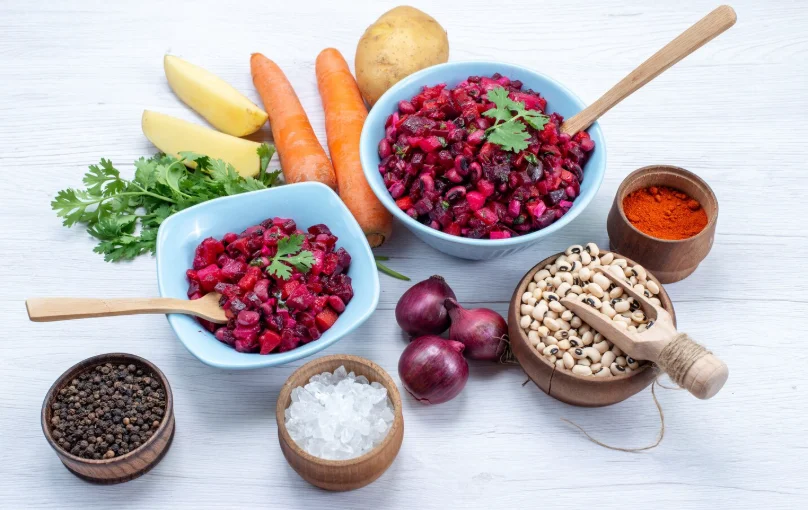
An anti-inflammatory diet is not based on a single “superfood” but on a holistic nutritional pattern. Ginger, turmeric, omega-3 sources, green leafy vegetables, and fermented foods should be consumed together as part of a balanced system.
At the same time, refined sugars, ultra-processed foods, and trans fats must be significantly limited. Meal timing, portion control, and dietary diversity are equally important as food selection.
The goal is not short-term inflammation suppression but the creation of a long-term metabolic environment characterized by low inflammatory burden, improved resilience, and reduced disease risk.
What Do Ginger and Anti-Inflammatory Foods Teach Us?
Ginger and other anti-inflammatory foods demonstrate that inflammation can be managed not only through medication but also through conscious, evidence-based nutrition.
Scientific research clearly shows that when used correctly and consistently, these natural components support immune balance, reduce chronic inflammation, and lower disease risk. This highlights that preventive medicine begins in the kitchen.
Nutrition is not merely a source of energy; it is a powerful biological tool that shapes cellular signaling and immune responses. Ginger and similar foods represent nature’s scientifically validated mechanisms for supporting long-term health.
Visiting Researcher&Lecturer - University College London, Mechanical Engineering and Faculty of Medicine, UK
Visiting Lecturer - University of Aveiro, Faculty of Biomedical Engineering, Portugal
- World Health Organization (WHO). Diet, nutrition and the prevention of chronic diseases.
- Calder PC. Omega-3 fatty acids and inflammatory processes. Biochimica et Biophysica Acta.
- Grzanna R, Lindmark L, Frondoza CG. Ginger—an herbal medicinal product with broad anti-inflammatory actions. Journal of Medicinal Food.
- Aggarwal BB, Harikumar KB. Potential therapeutic effects of curcumin. International Journal of Biochemistry & Cell Biology.
- Mina MJ et al. Inflammation and immune regulation. Science.
- Elsevier – Nutrition, Inflammation and Chronic Disease Reviews.
- Springer Nature – Functional Foods and Immune Modulation.
- Wiley Online Library – Dietary Polyphenols and Inflammation.