






Visiting Researcher&Lecturer - University College London, Mechanical Engineering and Faculty of Medicine, UK
Visiting Lecturer - University of Aveiro, Faculty of Biomedical Engineering, Portugal
HEALTHY CHOICES IN PROCESSED FOODS AND HOW TO READ FOOD LABELS
In today’s world, a large proportion of daily nutrition
comes from processed or packaged foods. This reality can pose significant
health risks for individuals who lack adequate nutritional literacy. However,
processed foods are not inherently harmful. The determining factor is the
consumer’s ability to read food labels correctly and make informed
choices. This article comprehensively examines how to make scientifically
grounded decisions about processed foods, based on evidence from international
nutritional research.
What is processed food, and are all processed foods harmful?
Processed food refers to any food that has undergone actions such as cooking, freezing, drying, fermenting, or packaging. This definition includes nutritionally valuable foods such as yogurt, cheese, canned vegetables, and whole-grain bread. Therefore, the term “processed” does not automatically imply poor nutritional quality.
The real concern lies with ultra-processed
foods, which are characterized by high levels of refined sugars, saturated
fats, salt, additives, and artificial flavorings. Scientific studies
consistently show that frequent consumption of ultra-processed foods is
strongly associated with obesity, hypertension, type 2 diabetes, and
cardiovascular disease.
Thus, the correct question is not “Is it
processed?” but rather “How processed is it?” Without understanding a
product’s fiber content, nutrient density, and additive profile, broad
generalizations can be misleading. Being a conscious consumer does not mean
eliminating all processed foods, but learning to distinguish between
nutritionally acceptable and harmful options.
Why do ultra-processed foods threaten health?
Ultra-processed foods typically have high energy density but low nutrient density. They provide excessive calories while lacking sufficient vitamins, minerals, and dietary fiber. Over time, this imbalance promotes weight gain and metabolic dysfunction.
Scientific evidence indicates that these foods
negatively affect the gut microbiota and increase systemic inflammation.
Emulsifiers, artificial sweeteners, and certain preservatives may impair the
intestinal barrier and indirectly weaken immune function.
Additionally, ultra-processed foods are designed
for rapid consumption and reduced satiety signaling, encouraging overeating.
Their role in modern nutrition-related diseases is not solely a matter of
individual choice but is also influenced by food policies and aggressive
marketing strategies.
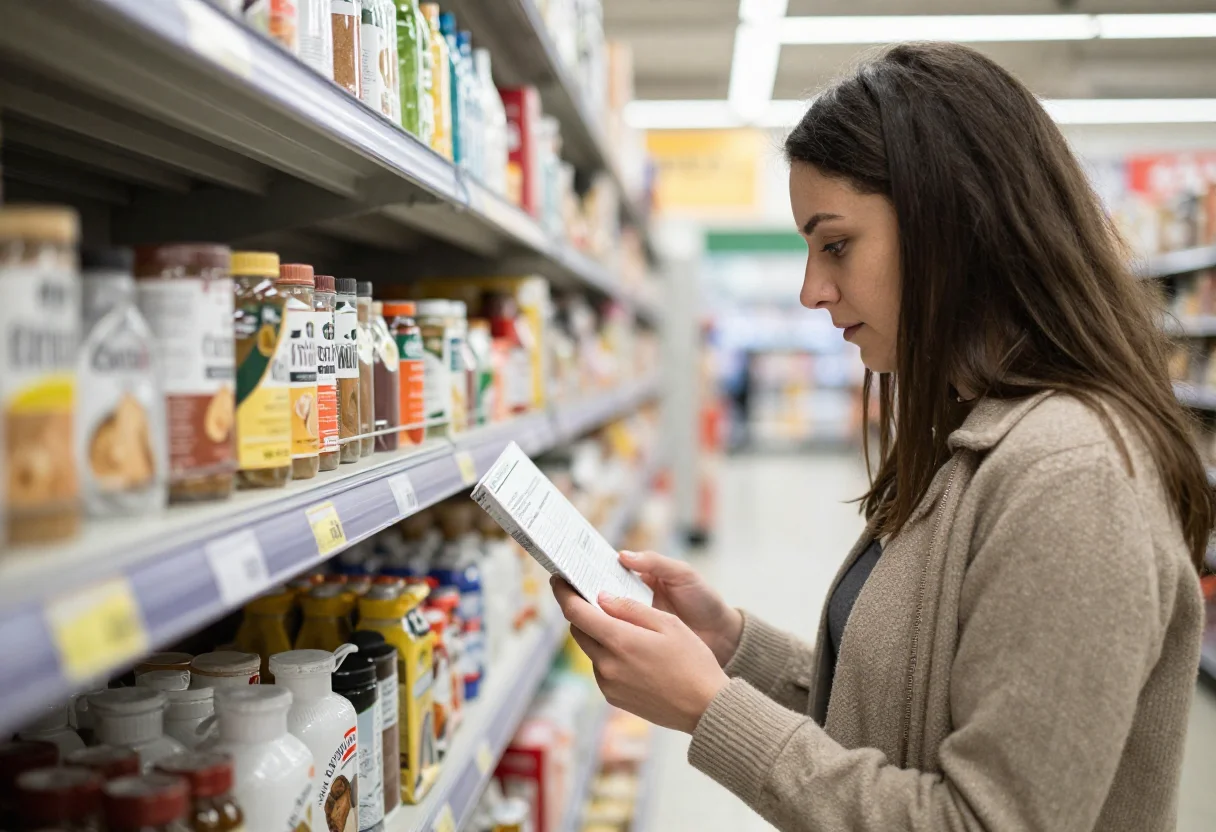
Why are food labels so important?
Food labels represent the only reliable source of objective information available to consumers. They provide data on ingredients, nutritional composition, portion size, and additives. When interpreted correctly, labels allow consumers to anticipate a product’s potential health impact.
Research shows that individuals who regularly
read food labels consume less sugar, salt, and saturated fat. However, labels
are often accompanied by misleading marketing terms. Claims such as “natural,”
“fit,” or “light” do not necessarily indicate nutritional superiority.
Therefore, reading labels scientifically requires
separating marketing language from factual nutritional data. Label literacy is
one of the most essential skills for healthy eating in the modern era.
How should the ingredient list be interpreted correctly?
The ingredient list reveals the true nature of a food product and is ordered by descending weight. The first ingredient is present in the largest amount. If sugar, glucose syrup, fructose, or refined flour appear among the first three ingredients, the product is nutritionally poor.
Sugars may be disguised under various names such
as sucrose, dextrose, or maltodextrin. A knowledgeable consumer recognizes
these terms. A long list of additives usually indicates heavy processing.
In general, shorter and more comprehensible
ingredient lists are safer. In many cases, fewer ingredients mean less
processing.
How should the nutrition facts table be evaluated?
The nutrition facts table displays energy content, macronutrients, and selected micronutrients. One of the most common mistakes is ignoring serving size. Some products appear low in calories only because the declared portion is unrealistically small.
Particular attention should be paid to sugar,
saturated fat, and sodium values. Fiber and protein content provide insight
into satiety and nutritional quality. A balanced product typically combines
high fiber and protein with low added sugar and saturated fat.
Understanding this table is far more meaningful
than simply counting calories, as it emphasizes quality over quantity.
How reliable are claims such as “light,” “sugar-free,” or “natural”?
These claims may be legally regulated, yet they do not guarantee healthfulness. “Light” products usually have reduced fat or sugar but may compensate with other additives.
“Sugar-free” products often contain artificial
sweeteners. While they provide fewer calories, their long-term effects on
appetite regulation and gut health remain controversial. The term “natural” is
frequently a marketing label rather than a scientific assurance.
Consumers should rely on objective nutritional
data rather than promotional statements.
Are food additives (E-numbers) harmful?
Food additives are not inherently toxic. Most have undergone safety evaluations. The main concern relates to frequency and cumulative exposure.
Some preservatives and colorants may cause
headaches, hyperactivity, or gastrointestinal symptoms in sensitive
individuals, particularly children. Therefore, products with minimal additive
content are preferable.
Occasional exposure is fundamentally different
from chronic, repeated consumption.
How are sugar and salt hidden on labels?
Sugar and salt often appear under alternative names, increasing the risk of unintentional overconsumption.
Sugar may be listed as glucose, fructose, corn
syrup, or honey extract, while salt may appear as sodium or monosodium
glutamate. Understanding total sodium and added sugar is essential for informed
decision-making.
Why is label reading especially critical for children?
Childhood is the period when lifelong dietary habits are formed. Ultra-processed foods increase the risk of childhood obesity and attention disorders.
For parents, label literacy acts as a protective
shield. Colorful packaging and cartoon characters are marketing tools—not
indicators of nutritional value.
Should packaged foods be completely eliminated from daily life?
Completely removing packaged foods from daily life is not a realistic or sustainable goal in modern society. Considering work schedules, urban lifestyles, and food accessibility, processed foods have become an inevitable part of everyday nutrition. The critical point is not to view all processed foods as the same, but to distinguish them according to their level of processing. Frozen vegetables, plain yogurts, simple kefir products, whole-grain breads, and legume-based foods can be part of a healthy diet when chosen correctly. The real objective is to limit ultra-processed foods high in sodium, sugar, and saturated fat, control consumption frequency, and make conscious choices.
How does label reading affect cardiovascular health?
Reading food labels is one of the most powerful individual tools for protecting cardiovascular health. Sodium, saturated fat, trans fat, and fiber content in packaged foods are directly linked to cardiovascular disease risk. High sodium intake can increase blood pressure, while saturated and trans fats raise the risk of arterial stiffness and cholesterol imbalance. In contrast, products rich in fiber and with healthier fat profiles support cardiovascular protection. Label reading enables consumers to clearly identify these differences and make heart-healthy choices. Therefore, label information is not merely data but an active decision-making mechanism for heart health.
Does label reading reduce diabetes risk?
Yes. Label reading plays a critical role in reducing diabetes risk. Added sugars, refined carbohydrates, and high glycemic load ingredients contribute to blood glucose fluctuations and insulin resistance. In many packaged foods, sugar may be hidden under names such as glucose syrup, fructose, or corn syrup. Label reading helps identify these ingredients and select more balanced alternatives. Choosing products high in fiber and low in added sugar supports blood glucose control. This awareness is essential not only for individuals with diabetes but also for anyone aiming to prevent it.
Does label reading support weight management?
Label reading directly and indirectly supports weight management. Nutrition labels allow consumers to clearly see energy density, calories per serving, and fiber and protein content. Foods rich in fiber and protein enhance satiety, while products containing hidden sugars and fats can lead to excessive energy intake without awareness. Label reading shifts focus from simply “eating less” to “choosing better foods.” This approach supports sustainable weight control and helps prevent common hidden-calorie traps. Weight management is a process guided by informed and conscious choices.
Are food labels always accurate?
Food labels are legally required to be accurate within regulatory limits; however, interpretation is the responsibility of the consumer. Terms such as “light,” “natural,” “sugar-free,” or “fit” may create a positive perception but do not always reflect overall nutritional quality. For example, a sugar-free product may be high in saturated fat, or a low-fat product may contain excessive sodium. Therefore, label reading requires evaluating ingredient lists, portion sizes, and nutritional values together. Nutritional literacy is the decisive factor in making correct choices.
What is the core message regarding processed foods?
Processed foods are not the enemy; unconscious consumption is. In modern nutrition, the goal is not to completely eliminate processed foods but to manage them intelligently. Label reading is the most powerful compass available to consumers in this context. Determining which products to consume, how often, and in what quantities forms the foundation of healthy eating. A conscious consumer does not fight products but manages the system. The core message is clear: when choices are informed, risk decreases; when knowledge is present, control exists. Label reading is an essential skill for healthy nutrition in the modern era.
Visiting Researcher&Lecturer - University College London, Mechanical Engineering and Faculty of Medicine, UK
Visiting Lecturer - University of Aveiro, Faculty of Biomedical Engineering, Portugal
References (Single List – Minimal)
1. Monteiro
CA, et al. Ultra-processed foods: what they are and how to identify
them. Public Health Nutrition. Cambridge University Press.
2. Moubarac
JC, et al. Consumption of ultra-processed foods and likely impact on
human health. Public Health Nutrition.
3. Hall
KD, et al. Ultra-processed diets cause excess calorie intake and
weight gain. Cell Metabolism. Elsevier.
4. World
Health Organization (WHO). Healthy diet – Fact Sheet.
5. Food
and Agriculture Organization (FAO). Food labelling and nutrition.
6. Mozaffarian
D, et al. Role of processed foods in the global diet. The Lancet.
Elsevier.
7. Ludwig
DS. Technology, diet, and the burden of chronic disease. JAMA.
8. Zinöcker
MK, Lindseth IA. The Western diet–microbiome-host interaction. Nutrients.
MDPI.
9. Micha
R, et al. Association between dietary factors and mortality. JAMA.
10. U.S.
Food and Drug Administration (FDA). How to Understand and Use the
Nutrition Facts Label.
11. European
Food Safety Authority (EFSA). Food additives and consumer safety.
12. Popkin
BM, Reardon T. Obesity and the food system transformation. Nature
Reviews Endocrinology. Springer Nature.
13. Cordain
L, et al. Origins and evolution of the Western diet. American
Journal of Clinical Nutrition.
14. Gibney
MJ, et al. Ultra-processed foods: definitions and policy implications.
American Journal of Clinical Nutrition.
15. Willett
W, et al. Food choices and health: evidence-based nutrition. New
England Journal of Medicine.
16. Harvard
T.H. Chan School of Public Health. Processed foods and health.
17. Springer
Nature Reviews. Nutrition labeling and public health outcomes.
18. Wiley
Online Library. Nutritional labeling and consumer behavior studies.
19. Elsevier
Clinical Nutrition Series. Diet quality, labeling, and chronic disease
prevention.