



Pharm. Gita Parviz
Marmara University, Faculty of Pharmacy, Department of Pharmacology
"Vitamin B family is an essential group that helps our body’s cells to produce energy or extract the energy hidden in the food.”"
HEALTHY LIVING WITH B VITAMINS: WHAT IS THE FUNCTION OF EACH B VITAMIN?

What Is Vitamin B?

Vitamin B is a group of water-soluble vitamins composed of eight different components. Types such as thiamine (B1), riboflavin (B2), niacin (B3), B6, B12, folic acid (B9), biotin (B7), and pantothenic acid (B5) help cells produce energy, support the health of the nervous system, and strengthen the immune system. It is especially important in cases of stress, fatigue, and memory problems. Additionally, it has positive effects on skin health, preventing hair loss, and regulating the digestive system. Adequate intake of B vitamins is essential for improving daily quality of life.

What Are the Benefits of Vitamin B?

The benefits of B vitamins are diverse, as each vitamin has a unique function that contributes to overall health. Here are the key benefits:

  • Supports energy production
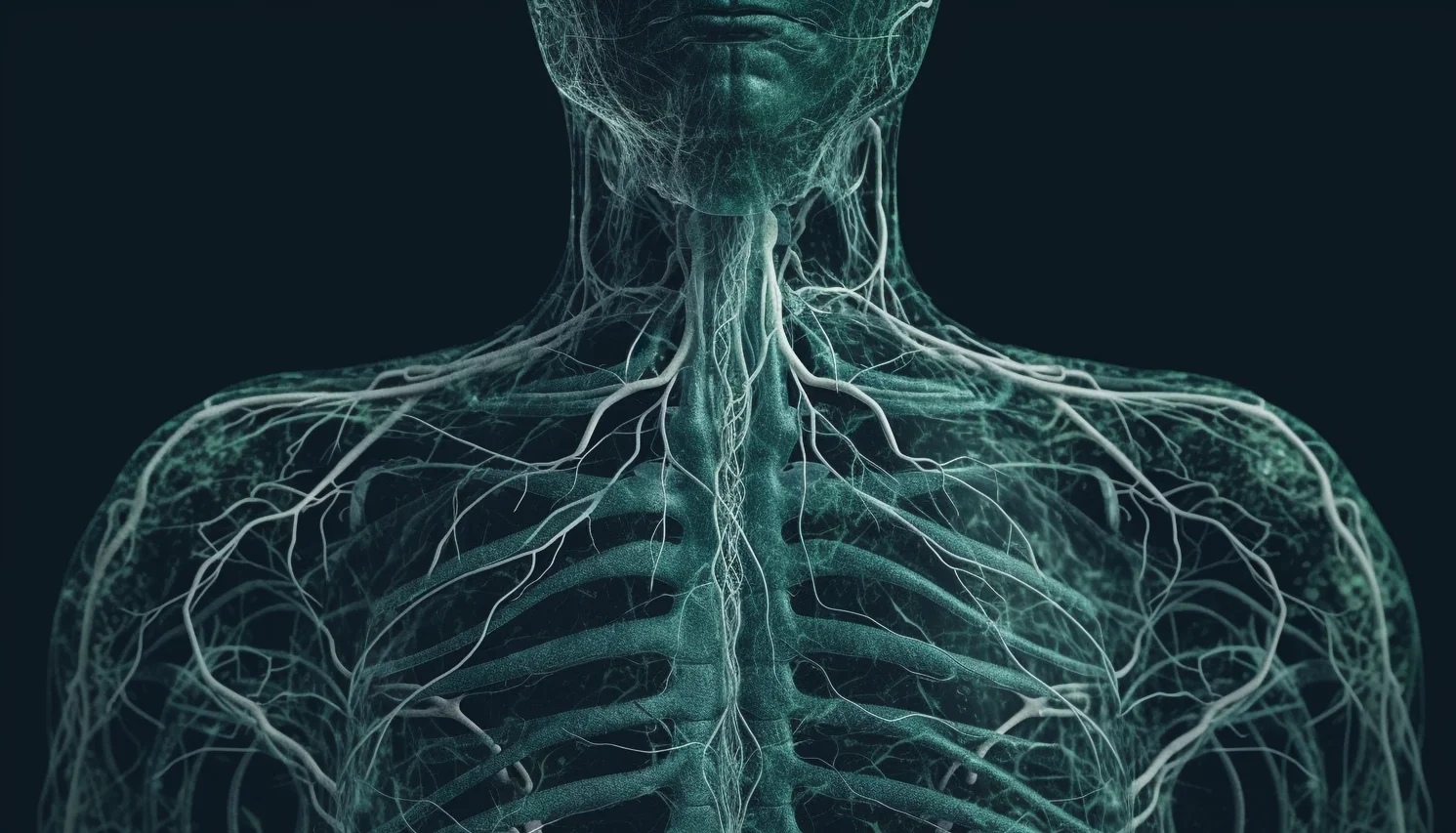
  • Maintains nervous system health
  • Contributes to red blood cell formation
  • Supports the health of skin, hair, and nails
  • Strengthens the immune system
  • Promotes heart health
  • Aids in cell regeneration and DNA synthesis

Since B vitamins are not stored in the body, they must be regularly obtained through food or supplements when necessary. A deficiency can lead to serious health problems.

What Are the Types and Properties of B Vitamins?

  • B1 (Thiamine)
  • B2 (Riboflavin)
  • B3 (Niacin)
  • B5 (Pantothenic Acid)
  • B6 (Pyridoxine)
  • B7 (Biotin)
  • B9 (Folic Acid, Folate)
  • B12 (Cobalamin)

Thiamin (Vitamin B1)

A coenzyme necessary for cellular metabolic processes, thiamin or vitamin B1 is a fundamental element demanded for body’s health and well-being. Its role in energy formation from glucose is highly crucial. In the case of vitamin B1 deficiency caused by malnutrition, blood glucose level may rise dramatically. In severe cases, the situation may escalate as diabetes.

Vitamin B1 also involves in neural functions as it plays a role in the signal conducting and energy supply to neurons. Fortified breads, cereals, lean meat, milk, egg, cauliflower, flax seeds, and potato are important sources of vitamin B1.

In the case of severe vitamin B1 deficiency or beriberi, most vital organs, heart, brain, lungs, and stomach, are involved. A wide range of symptoms such as fatigue, loss of appetite, blurred vision, and hallucinations may be observed.  Vitamin B1 supplements may be needed for people with malabsorption and alcoholism, during pregnancy and breastfeeding as well as elderlies. Individuals who are under diuretic mediations for long time may require external thiamin supplements in accordance with the responsible physician’s recommendation.

Riboflavin (Vitamin B2)

First isolated from milk as a yellowish pigment, riboflavin or vitamin B2 is a very crucial element of the system responsible from our body’s fluid balance. Like other vitamin B types, vitamin B2 is also involved in the metabolic processes of vital molecules. Particularly, lipid balance and the metabolism of various types of fatty acids are controlled by vitamin B2. Additionally, this vitamin is the precursor of coenzymes performed as anti-oxidants. It also contributes to the development and proper functioning of immune T and B cells that are the main components of adaptive immune system.

There is a wide range of diseases associated with vitamin B2 deficiency. Conditions such as diabetes, hypertension, migraine, anemia, and cancer are closely linked to low levels of this vitamin. Plant- and animal-based sources rich in this vitamin include meat, salmon, eggs, mushrooms, spinach, and nuts like almonds. Pregnant women, individuals over the age of 65, and people experiencing vitamin B2 deficiency due to alcoholism, gastrointestinal diseases (e.g., celiac disease), or poor nutrition may take supplements under the guidance of their healthcare provider.

Niacin (Vitamin B3)

Niacin or vitamin B3 is a type of vitamin B that is naturally synthetized in the body. It has crucial role in adjusting mitochondrial functions and energy production. This vitamin is also involved in the health and wellbeing of nervous system and skin cells. While avocado, nuts, legumes wholegrains, and seeds are the plant-based foods riched with vitamin B3, dairy products, egg, beef, liver, poultry, and salmon are animal products that contain high amount of the vitamin.

Pellagra is the name of vitamin B3 or niacin deficiency in which the function of whole body is systemically disturbed due to the fundamental responsibilities of this vitamin. Diarrhea, forgetfulness, mouth sores, and flushed skin are the most well-known symptoms of this disease. Pellagra can be fetal if not properly diagnosed and treated. Primarily, the reason of pellagra is insufficient vitamin B3 intake. Although niacin is synthetized in the body; however, the amount of synthetized vitamin is not enough to meet the high need of the cells. Therefore, it is crucial to compensate this demand externally through nutrients and supplements. Specific diet types such as maize and sorghum (jowar) diet may also cause pellagra as the nutrients included in this diet are low in vitamin B3 content. Secondary reasons of pellagra are as follows: malabsorption caused by inflammatory bowel diseases such as crohn's disease, gastrointestinal surgeries like jejuno-ileitis, alcoholism, and primary Sjögren's syndrome. In addition, infection-induced and drug-induced pellagra have been also mentioned in the literature. On the top of the reasons mentioned in other vitamin B types, individuals with high cholesterol may particularly require niacin supplements in accordance with the responsible physician’s recommendation. 

Pyridoxine (Vitamin B6)

Vitamin B6 is a water-soluble vitamin that was first discovered as the agent with the ability to cure dermatitis in rats. It has essential role in amino acid metabolism especially polyamine synthesis. As a vital ingredient needed for hemoglobin synthesis, vitamin B6 deficiency is highly associated with anemia. Additionally, it is vastly involved in glucose biotransformation through various biological pathways and any trouble in its contribution in this process may lead to diabetes.

Vitamin B6 is also demanded for the health of nervous system as it is required for the biosynthesis of fundamental neurotransmitters serotonin, norepinephrine, epinephrine, and g-aminobutyrate Plus sphingoid bases, an element necessary for myelin formation. Regarding the important role of vitamin B6 in the health of nervous system, it is quite understandable that in the case of deficiency syndromes such depression, nervousness, irritability, and seizure may develop.

Impaired immune response, cardiovascular diseases, stroke, and other health issues such as cancer are also associated with vitamin B6 deficiency. In addition to animal products rich in vitamin B6, vegetables such as chicken and turkey breast, bell peppers, spinach, garlic, cauliflower, broccoli, and zucchini are also good sources of this vitamin. Supplementation with vitamin B6 is recommended for the elderly, pregnant women, and individuals with alcoholism, malabsorption, or poor nutrition.

Biotin (Vitamin B7)

Biotin or vitamin B7 is vastly involved in fat, carbohydrate, and protein metabolism. It performs as a coenzyme in several cytoplasmic functions. Salmon, avocado, egg yolk, carrot, soy beans, peanuts, hazelnuts, and walnuts are top sources of biotin. 
Biotin deficiency manifests itself as skin rashes, brittle nails, hair loss and thinning. Although biotin deficiency is extremely rare; however, under special circumstances such as genetic mutations, pregnancy, lactation, consuming diets high with high raw egg content, and individuals on total parenteral nutrition may develop biotin deficiency and require supplemental therapy. Additionally, alcoholism, smoking, prophylactic usage of anticonvulsant medications, inflammatory bowel disease and other issues that interfere with biotin’s absorption may cause deficiency.

Folate (Vitamin B9)

In addition to basic cellular functions such as growth and division, vitamin B9 is highly demanded for red blood cell formation. In the case of vitamin B9 or folate deficiency, our body produces abnormally large red blood cells that cannot function properly. Red blood cells have the important responsibility of transporting oxygen from lungs to all body cells. Moreover, vitamin B9 is considered as a vital demand of pregnancy as if the developing baby doesn’t get enough vitamin B9, there is a high risk of defect development especially in the brain and spine. Therefore, folic acid supplements are highly recommended for pregnant women. Folic acid is the synthetic form of naturally made folate that is found in the supplements and fortified nutrients.

Same as vitamin B12, folate plays a role in cardiovascular health. It is required for preventing heart and vessel-related diseases such as stroke. Depression, cancer, and dementia are other issues that have been associated with folate deficiency. Dark green colored vegetables are the primary sources of folate. Additionally, avocado, chickpeas, kidney beans, and cereals are rich from this vitamin.

In general folate supplements are considered safe; however, in rare cases allergic reaction may occur. Therefore, it is crucial to consult with your physician before taking it. Bad taste in mouth, nausea, loss of appetite, confusion, irritability, and sleep pattern disturbance are other unwanted effects you may experience while consuming folate supplements. It is essential to be aware of possible drug interactions that are associated with folate consuming. Anticonvulsants drugs, barbiturates, methotrexate, and pyrimethamine are the medication with high risk of drug interaction with folate.

Cobalamin (Vitamin B12)

Vitamin B12 is a vital need of our cells. It is a cofactor for two important enzymes. It is involved in the protein and DNA synthesis. Particularly, like vitamin B6, vitamin B12 is required for the breakdown of homocysteine to methionine. Although homocysteine is an amino acid naturally found in the body; however, if it isn’t eliminated properly, its plasma level may risk toxic levels. Abnormally high level of homocysteine increases the risk of cardiovascular diseases. Moreover, it is a risk factors for Alzheimer’s Disease and other types of dementia.

Many seafoods are risk sources of vitamin B12. In addition, animal products such red meat, egg, and chicken contain high amounts of this vitamin. Dairy products like milk, yogurt, and cheese plus nuts especially almond are also important sources of vitamin B12. Vegan-based vitamin B12 sources are as follows: portabella mushroom, white mushroom, crimini mushroom, rice, soy and coconut milk. Vitamin B12 supplements are recommended during pregnancy and breastfeeding. Also, due to the high prevalence of malabsorption among elderlies, the supplement of vitamin B12 is advised to reduce the speed of cognitive decline in this population.

What Are the Food Sources of Vitamin B?

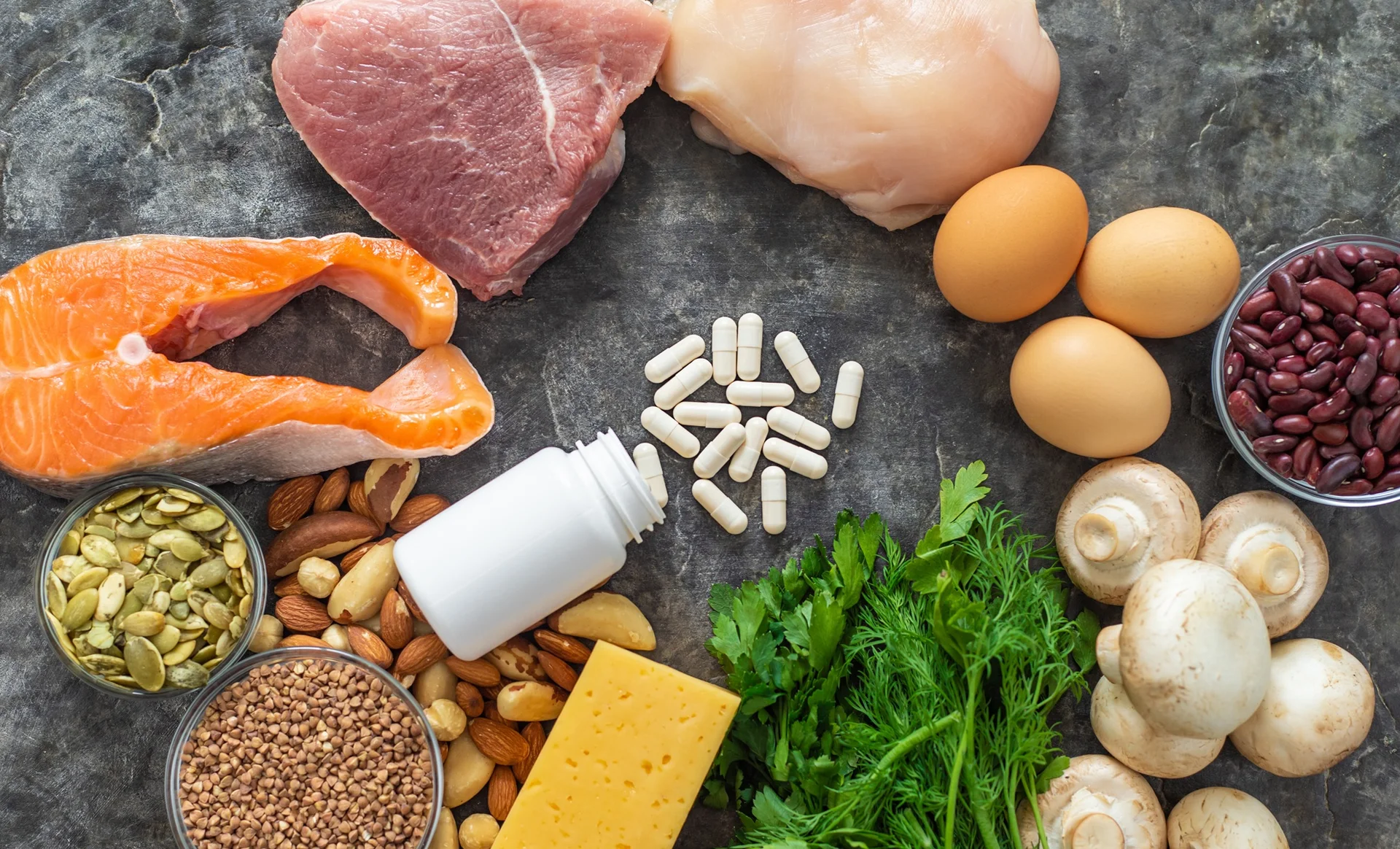
The main foods that contain B vitamins:

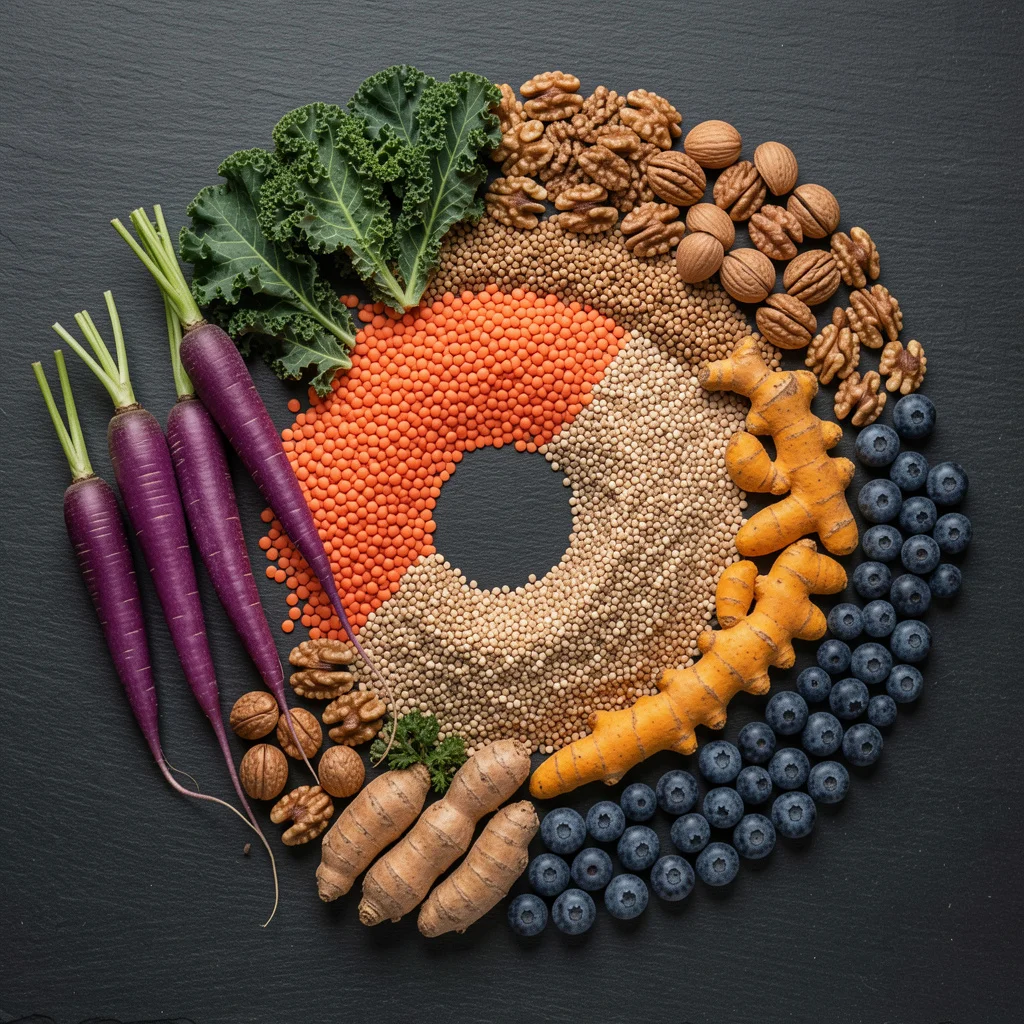
  • Whole grains (oats, brown rice, whole wheat bread)
  • Legumes (lentils, chickpeas, beans)
  • Green leafy vegetables (spinach, broccoli, lettuce, arugula)
  • Nuts and seeds (almonds, hazelnuts, sunflower seeds)
  • Milk and dairy products (cheese, yogurt)
  • Eggs (especially the yolk)
  • Meat products (red meat, chicken, turkey)
  • Liver
  • Fish and seafood (salmon, tuna)
  • Mushrooms
  • Avocado
  • Citrus fruits like oranges and lemons
  • Soybeans and soy products

What Are the Symptoms of Vitamin B Deficiency?

Vitamin B deficiency can affect many systems in the body, and the symptoms may vary depending on the specific type of B vitamin that is lacking. The most common general symptoms include:

  • Fatigue and weakness
  • Loss of appetite
  • Mouth sores and swollen tongue (glossitis)
  • Dry skin, rashes, or cracks
  • Depression, anxiety, and memory problems
  • Nerve damage and loss of sensation (especially in B1, B6, and B12 deficiencies)
  • Muscle weakness and coordination problems
  • Dizziness and difficulty concentrating
  • Tingling or numbness in hands and feet
  • Anemia
  • Blurred vision
  • Growth retardation in children

If these symptoms persist for a long time, it is recommended to consult a healthcare professional and have blood tests to check vitamin levels. Early diagnosis is especially important, as deficiencies in B12 and folic acid can lead to serious health problems.

Frequently Asked Questions About Vitamin B

When should vitamin B supplements be taken?

  • Vitamin B supplements are generally taken in the morning or at noon, with or without food.

Can vitamin B be used during pregnancy?

  • Yes, especially B9 (folic acid) must be taken during pregnancy for the healthy development of the baby.

Is vitamin B12 found only in animal sources?

  • Yes, B12 is naturally found only in animal products; vegetarians or vegans should take supplements.

Is vitamin B good for skin and hair health?

  • Yes, especially B7 (biotin) and B2 support the health of the skin, hair, and nails.

Does vitamin B cause weight gain?

  • No, it does not directly cause weight gain; it supports metabolism and increases energy production.

Allen LH, Vitamin B-12. (2012). 

Bunaciu AA, et al., FT-IR Spectrophotometric Analysis of Ascorbic Acid and Biotin and their Pharmaceutical Formulations. (2009).

Meyer-Ficca M and Kirkland JB, Niacin. (2016).

Mrowicka M, et al., The importance of thiamine (vitamin B1) in humans. (2023).

Pawlak R, Is Vitamin B12 Deficiency a Risk Factor for Cardiovascular Disease in Vegetarians? (2015).

Pinto JT and Zempleni J, Riboflavin. (2016).

Prabhu D, Dawe RS, and Mponda K, Pellagra a review exploring causes and mechanisms, including isoniazid‐induced pellagra. (2021).

Smith AD, et al., Homocysteine and Dementia: An International Consensus Statement. (2018).

Stover PJ and Field MS, Vitamin B-6. (2015).

Thakur K, et al., Riboflavin and health: A review of recent human research. (2017).