






Visiting Researcher&Lecturer - University College London, Mechanical Engineering and Faculty of Medicine, UK
Visiting Lecturer - University of Aveiro, Faculty of Biomedical Engineering, Portugal
What Is Constipation and Why Is Fiber So Important?
Constipation is a common digestive disorder characterized by infrequent bowel movements, hard stools, and straining during defecation. Modern lifestyle factors—low fiber intake, inadequate hydration, physical inactivity, and chronic stress—significantly increase its prevalence.
Dietary fiber consists of indigestible carbohydrates that play a critical role in gut function. Fiber increases stool bulk, retains water in the colon, and stimulates regular intestinal contractions. These effects soften stools and facilitate easier elimination.
Insufficient fiber intake is one of the leading nutritional causes of constipation. Therefore, increasing dietary fiber is considered the first-line, evidence-based approach to constipation management.
What Is the Difference Between Soluble and Insoluble Fiber?
Dietary fiber is classified into two main types: soluble and insoluble fiber. Both play complementary but distinct roles in constipation relief.
Soluble fiber forms a gel-like substance when mixed with water, which softens stool and slows intestinal transit in a controlled manner. Oats, chia seeds, flaxseeds, apples, and legumes are rich sources of soluble fiber.
Insoluble fiber passes through the digestive tract largely intact, increasing stool bulk and stimulating bowel movements. Whole grains, vegetable skins, and wheat bran are key sources. The most effective constipation-friendly diet includes a balanced combination of both fiber types.
Best High-Fiber Vegetables for Constipation
Vegetables are among the most powerful natural sources of dietary fiber for relieving constipation. Broccoli, artichokes, carrots, zucchini, and cabbage provide both soluble and insoluble fiber.
Artichokes are especially rich in inulin, a prebiotic fiber that feeds beneficial gut bacteria and enhances stool bulk. Vegetables like broccoli and cabbage stimulate bowel movements primarily through insoluble fiber content.
To maximize digestive benefits, vegetables should not be overcooked. Light steaming or consuming them raw helps preserve fiber structure and effectiveness.
The Role of Fruits in Constipation Relief
Fruits play a significant role in constipation management due to their fiber and natural water content. Pears, apples with skin, kiwis, figs, and plums are particularly effective.
Plums and prunes contain sorbitol, a naturally occurring sugar alcohol that draws water into the intestines and softens stools. Kiwis provide a balanced mix of soluble and insoluble fiber that supports regular bowel movements.
Consuming whole fruits rather than fruit juices preserves fiber content and maximizes digestive benefits.
How Do Legumes Help Relieve Constipation?
Legumes such as lentils, chickpeas, beans, and kidney beans are exceptionally rich in dietary fiber and support gut health.
They contain both soluble fiber and resistant starch, which are fermented by gut bacteria to produce short-chain fatty acids. These compounds stimulate intestinal motility.
To minimize bloating, legumes should be soaked properly and introduced gradually into the diet.
Whole Grains and Bran: Are They Effective for Constipation?
Whole grains such as whole wheat, oats, barley, and bran-based products are rich in insoluble fiber.
This fiber increases stool bulk and accelerates intestinal transit. Refined white flour products, by contrast, are low in fiber and may worsen constipation.
When increasing whole grain intake, adequate hydration is essential to avoid temporary worsening of symptoms.
Seeds and Nuts: Small but Powerful Fiber Sources
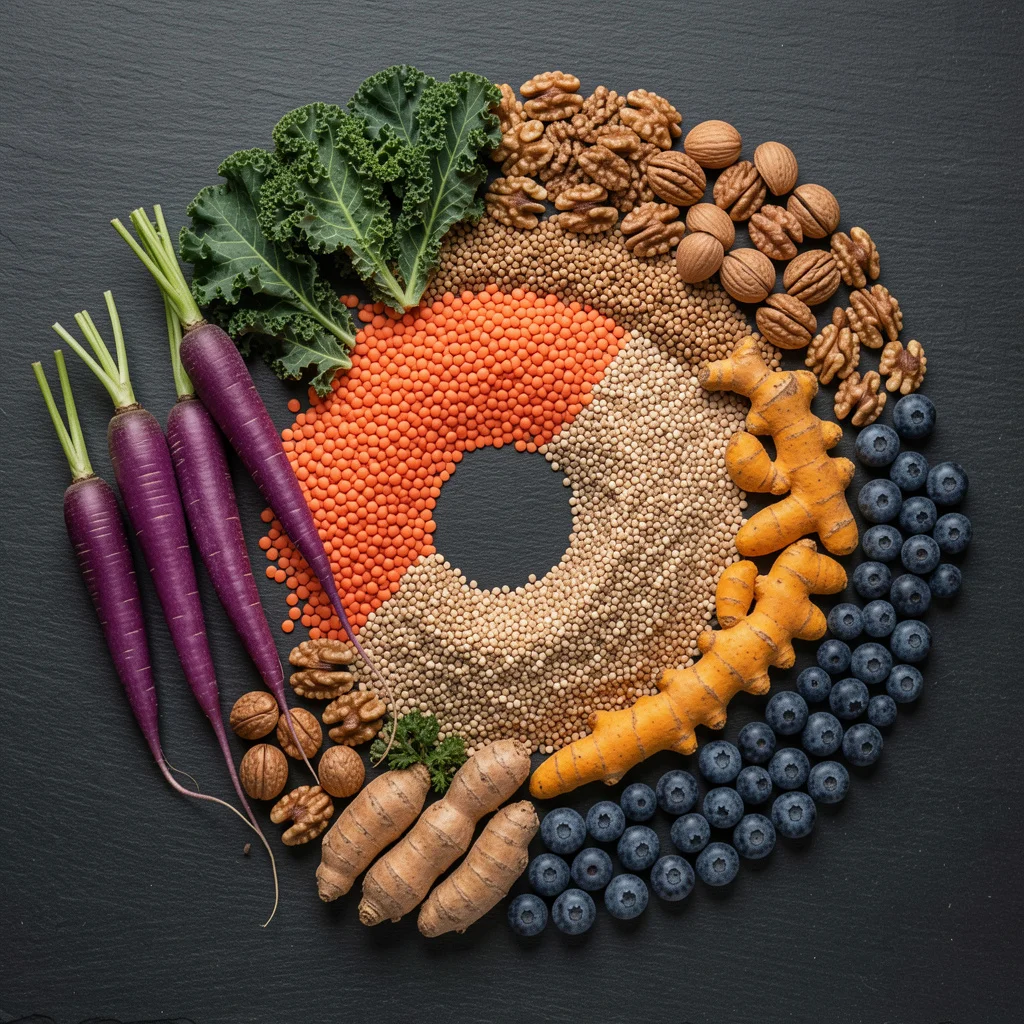
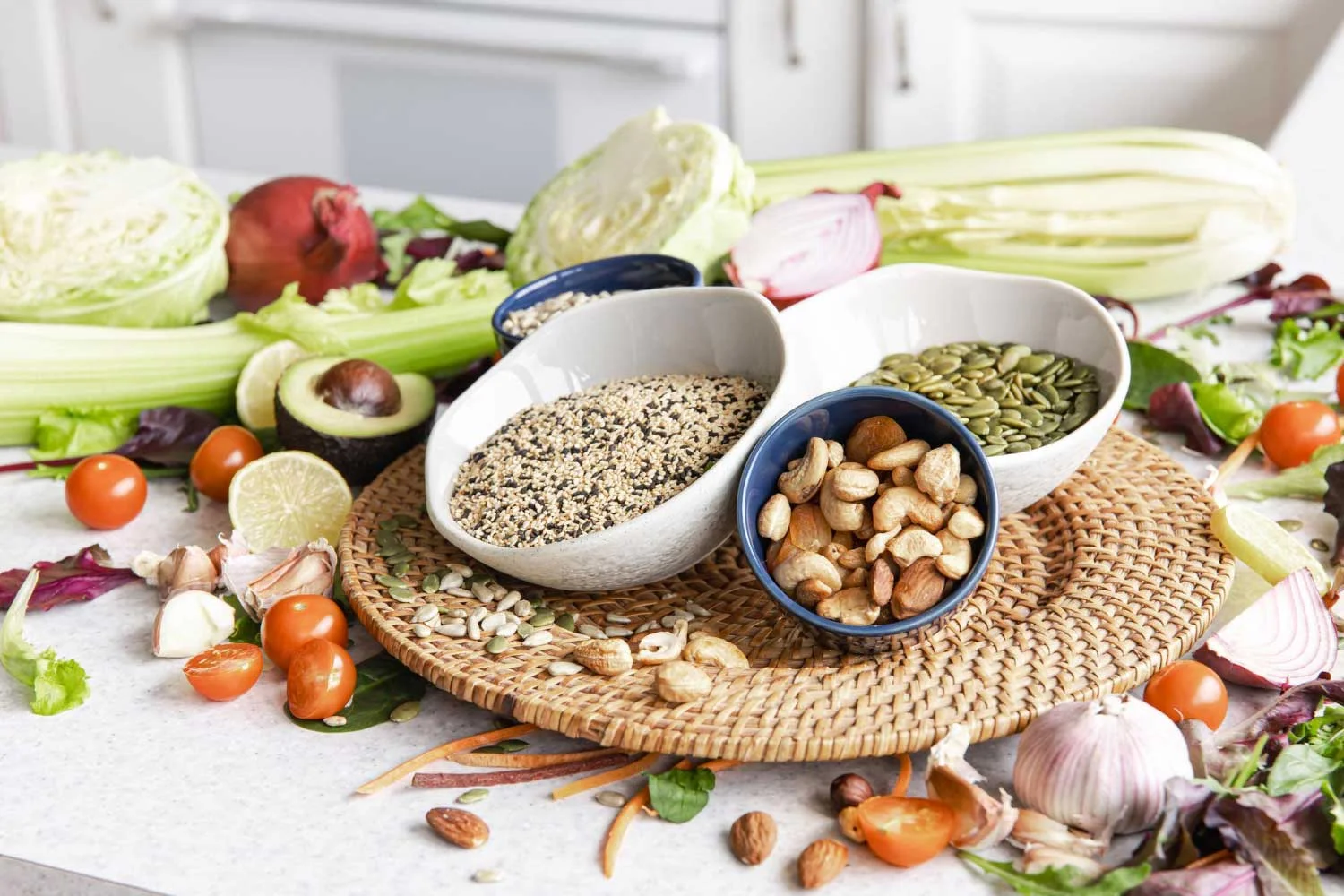
Chia seeds, flaxseeds, almonds, and walnuts are dense sources of dietary fiber.
Chia and flaxseeds form a gel when mixed with water, softening stools and easing bowel movements. They also provide omega-3 fatty acids that may improve intestinal lubrication.
Moderate intake—typically 1–2 tablespoons per day—is sufficient for digestive benefits.
Why Hydration Matters When Increasing Fiber Intake
When fiber intake increases, fluid intake must also rise. Insufficient hydration can harden stool and worsen constipation.
Water activates fiber’s stool-softening properties, particularly for soluble fiber.
A general recommendation is at least 2–2.5 liters of fluids per day for individuals on a high-fiber diet, adjusted for personal needs.
Sample High-Fiber Daily Meal Plan for Constipation
An effective daily plan for constipation includes oats and fruit at breakfast, legumes and vegetables at lunch, and whole grains with fiber-rich vegetables at dinner.
Snacks can include fruits, nuts, or yogurt. Fiber intake should be evenly distributed throughout the day.
This strategy supports regular bowel function while minimizing bloating.
Common Mistakes When Following a High-Fiber Diet
Increasing fiber intake too quickly can cause bloating and gas, discouraging long-term adherence.
Another common mistake is neglecting hydration. Relying on a single fiber source instead of variety also limits benefits.
The optimal strategy is gradual fiber increase, adequate fluid intake, and diversified fiber sources.
Visiting Researcher&Lecturer - University College London, Mechanical Engineering and Faculty of Medicine, UK
Visiting Lecturer - University of Aveiro, Faculty of Biomedical Engineering, Portugal
-
World Health Organization (WHO)
Diet, Nutrition and the Prevention of Chronic Diseases
WHO Technical Report Series. -
National Institute of Diabetes and Digestive and Kidney Diseases (NIDDK)
Constipation in Adults
U.S. Department of Health & Human Services. -
Harvard T.H. Chan School of Public Health
Dietary Fiber
The Nutrition Source. -
Mayo Clinic
Constipation: Causes and Prevention
Mayo Clinic Health Information Library. -
Academy of Nutrition and Dietetics
Health Benefits of Dietary Fiber. -
British Nutrition Foundation
Dietary Fibre and Digestive Health. -
European Food Safety Authority (EFSA)
Scientific Opinion on Dietary Reference Values for Fibre. -
National Health Service (NHS, UK)
Constipation – Treatment and Prevention. -
Slavin, J. L. (2013)
Dietary Fiber and Body Weight
Nutrition Journal. -
Anderson, J. W., et al. (2009)
Health Benefits of Dietary Fiber
Nutrition Reviews.