




The Importance of Skin Cleansing
What Is the Skin Barrier?
- Retaining moisture within the skin
- Blocking the entry of environmental irritants, allergens, and microorganisms
However, harsh chemical cleansers can disrupt this delicate structure, resulting in dryness, flakiness, and inflammation.
Remember: A healthy skin barrier is not only the secret to a smooth appearance but also to a radiant, vibrant, and balanced complexion.
How Do Chemical Cleansers Affect the Skin Barrier?
Many modern cleansing products—especially those with high pH, sulfates like SLS/SLES, and alcohol-based formulas—can disturb the skin's natural oil balance.
These products:
- Dissolve the protective lipids on the skin surface
- Weaken the barrier
- Leave the skin vulnerable to external aggressors
As a result, issues such as dryness, tightness, sensitivity, and acne may occur.
What Should We Pay Attention to During Skin Cleansing?
- Choose Gentle Formulations:
Opt for cleansers with a low pH (5.0–5.5) to support the skin’s natural pH and barrier function. Look for sulfate-free cleansers enriched with hydrating ingredients and natural aromatherapy oils that suit your skin type.
- Avoid Overcleansing:
Tailor your cleansing routine to your skin’s needs. Cleaning more than twice a day may strip the skin’s natural protective oils. If you wear makeup or use sunscreen, cleanse twice a day; otherwise, once a day—morning or evening—is often enough.
- Mind the Water Temperature:
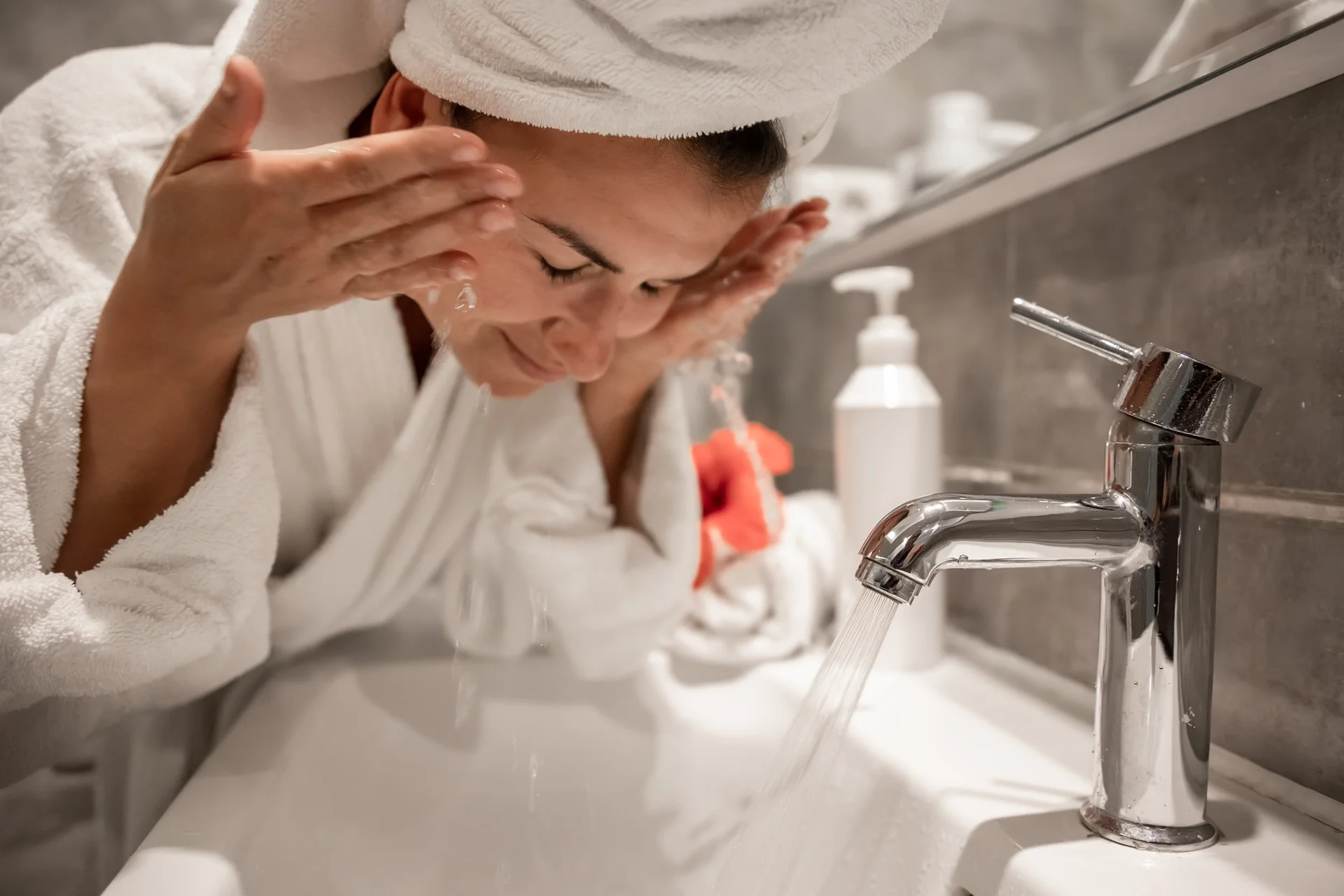
Extremely hot water won’t kill bacteria, and extremely cold water won’t suddenly tighten your skin. Both can damage the skin barrier. Always opt for lukewarm water to help cleanse without disrupting the skin’s lipid layer.
- Repair After Cleansing:
Instead of applying acidic products immediately after cleansing, focus on hydrating and repairing the skin. Prioritize postbiotic ingredients (byproducts of fermented probiotics that support the skin microbiome), which help strengthen the skin barrier. Additionally, clean formulas containing ceramides, niacinamide, and plant oils like sesame or pomegranate seed oil support barrier repair.
What Should a Skin Barrier-Friendly Cleansing Routine Look Like?
Morning:
- Simply rinse your face with water or use a mild cleanser suitable for your skin type.
- Before applying sunscreen or makeup, use a lightweight, alcohol-free, preferably postbiotic-infused moisturizer to support your skin barrier.
Evening:
- If you’ve used sunscreen or makeup, double cleansing is essential. Start with an oil-based cleanser to deeply remove product build-up, then follow with a gentle, pH-balanced water-based cleanser.
- After cleansing, apply a barrier-repairing moisturizer.
Is Cleansing Just About Removing Dirt?
Elias PM. Skin barrier function. Curr Allergy Asthma Rep. 2008.
Darlenski R and Fluhr JW. Influence of skin type, race, sex, and anatomic location on epidermal barrier function. Clin Dermatol. 2012.
Ananthapadmanabhan KP, et al. Cleansing without compromise: the impact of cleansers on the skin barrier and the technology of mild cleansing.” Dermatol Ther. 2004
Draelos, Z. D. Cosmetic dermatology: Products and procedures (2nd ed.) (2015).
Mijaljica D, et al.,Skin Cleansing without or with Compromise: Soaps and Syndets. Molecules. 2022.