




Visiting Researcher&Lecturer - University College London, Mechanical Engineering and Faculty of Medicine, UK
Visiting Lecturer - University of Aveiro, Faculty of Biomedical Engineering, Portugal

What Is High Blood Pressure and Why Does It Rise Silently?
High blood pressure (hypertension) occurs when the force of blood against artery walls remains elevated over time. Its most dangerous feature is that it often develops without noticeable symptoms. Many people feel completely normal and only discover high blood pressure during routine measurements, which is why it is commonly referred to as a “silent killer.”
If left uncontrolled, hypertension significantly increases the risk of heart attack, stroke, kidney failure, and vascular damage. Therefore, lowering blood pressure is not only about symptom relief but about preventing long-term organ damage. Evidence shows that structured lifestyle interventions can meaningfully reduce blood pressure, sometimes delaying or reducing the need for medication.
How to Reduce High Blood Pressure: A Scientific Approach
There is no single answer to the question “how to reduce high blood pressure.” The most effective strategy is multi-factorial and evidence-based. Clinical guidelines emphasize addressing diet, physical activity, weight management, stress control, and sleep quality together.
Studies consistently show that each of these interventions can lead to measurable reductions in both systolic and diastolic blood pressure. Salt reduction and regular exercise alone can produce meaningful improvements. Lowering blood pressure should therefore be viewed not as a quick fix, but as a long-term, sustainable health strategy.
Can You Lower Blood Pressure Naturally?
Lowering blood pressure naturally is possible, particularly in people with mild to moderate hypertension. “Natural” does not mean ignoring medical care; it refers to lifestyle changes that support the body’s regulatory systems. Regular physical activity, potassium-rich nutrition, and stress reduction are central components.
These approaches are not instant solutions. Their effectiveness depends on consistency and long-term adherence. In more advanced hypertension, natural strategies usually complement rather than replace medication. When applied correctly, evidence-based natural interventions significantly strengthen blood pressure control.
High Blood Pressure Diet: What to Eat and What to Avoid
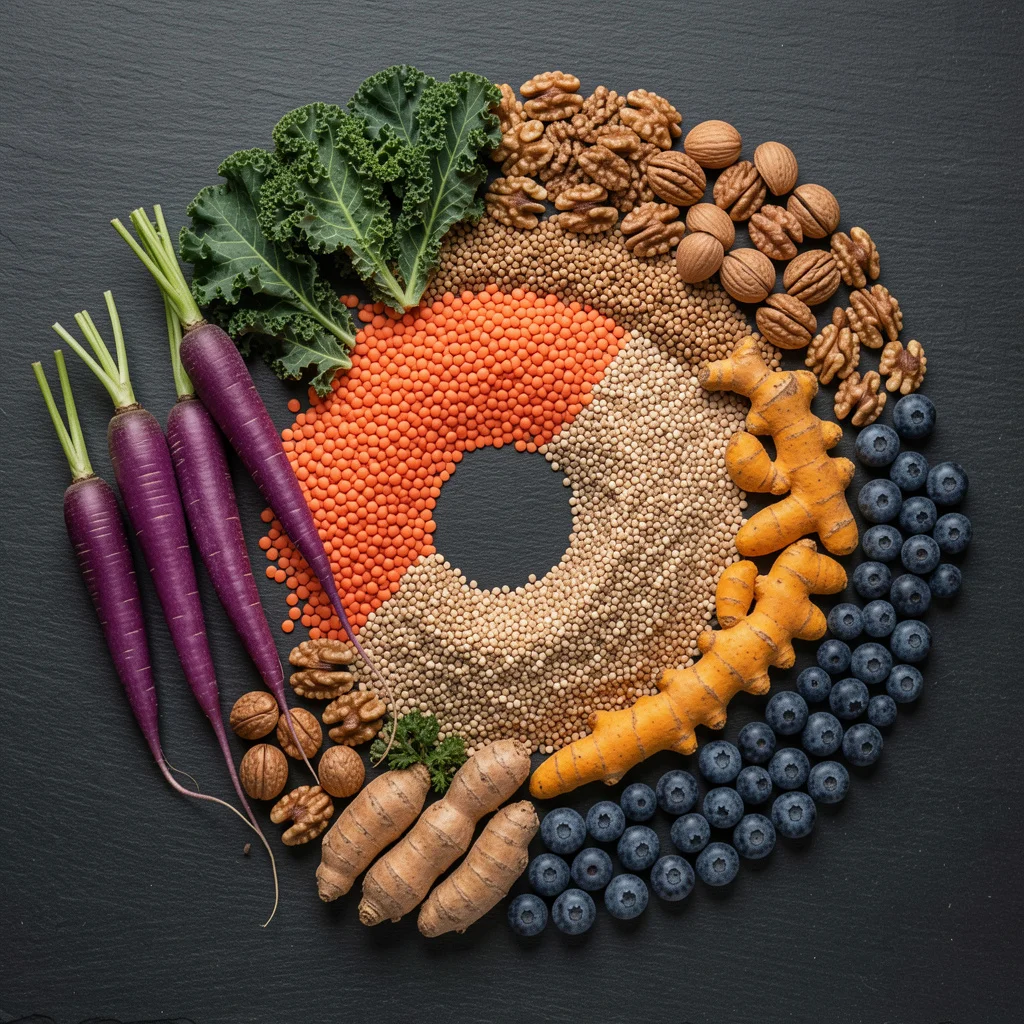
A high blood pressure diet targets the mineral and hormonal balance that regulates blood pressure. The most widely recommended model is the DASH diet, which emphasizes vegetables, fruits, whole grains, legumes, and lean protein sources.
Excess salt, processed foods, and saturated fats are major contributors to elevated blood pressure. In contrast, potassium-, magnesium-, and fiber-rich foods help promote vascular relaxation. Dietary change is one of the few lifestyle interventions that can rival medication in blood pressure reduction.
The Direct Link Between Salt Intake and Blood Pressure
The relationship between salt (sodium) intake and high blood pressure is supported by strong scientific evidence. Excess sodium increases fluid retention, raising pressure within blood vessels. This effect is especially pronounced in salt-sensitive individuals.
The World Health Organization recommends limiting daily salt intake to under 5 grams, yet average consumption in many populations is double that amount. Reducing salt is one of the fastest and most effective lifestyle interventions for lowering blood pressure.
How Physical Activity Lowers Blood Pressure
Regular physical activity plays a central role in blood pressure control. Exercise causes blood vessels to dilate, improves cardiac efficiency, and reduces arterial stiffness over time. Guidelines recommend at least 150 minutes of moderate-intensity exercise per week.
Aerobic activities such as walking, swimming, and cycling are particularly effective. The blood-pressure-lowering effect persists well beyond the exercise session, making physical activity one of the most powerful non-pharmacological tools for hypertension management.
Stress and High Blood Pressure: The Hidden Trigger
Chronic stress is one of the most overlooked contributors to high blood pressure. Stress hormones such as cortisol and adrenaline increase heart rate and vascular tone, leading to elevated blood pressure. When stress is persistent, this effect can become chronic.
Breathing exercises, meditation, and improved sleep hygiene can reduce stress-related blood pressure spikes. Stress management should be considered a core component—not an optional add-on—in hypertension care.
How Much Does Weight Loss Lower Blood Pressure?
There is a direct relationship between body weight and blood pressure. Research suggests that for every kilogram of weight lost, systolic blood pressure may decrease by approximately 1 mmHg. This effect is particularly pronounced in individuals with abdominal obesity.
Weight loss improves insulin sensitivity, enhances vascular elasticity, and reduces cardiac workload. As a result, weight management sits at the core of effective blood pressure reduction strategies.
Alcohol and Caffeine: Their Dual Effects on Blood Pressure
Alcohol and caffeine affect blood pressure in a dose-dependent manner. Excessive alcohol intake raises blood pressure, while reduction can lead to measurable improvements. Caffeine may cause short-term spikes, though regular consumers often develop tolerance.
For individuals with hypertension, limiting alcohol and assessing personal caffeine sensitivity are recommended. These substances are not universally prohibited, but they require informed and controlled use.
When Should You See a Doctor?
If blood pressure remains elevated despite lifestyle changes or reaches dangerous levels such as 180/120 mmHg, medical evaluation should not be delayed. Symptoms like severe headache, chest pain, or vision problems may indicate an emergency.
Natural strategies are powerful, but they are not always sufficient for everyone. The safest approach combines lifestyle interventions with appropriate medical supervision.
Visiting Researcher&Lecturer - University College London, Mechanical Engineering and Faculty of Medicine, UK
Visiting Lecturer - University of Aveiro, Faculty of Biomedical Engineering, Portugal
World Health Organization (WHO) – Provides global guidelines and evidence-based recommendations on blood pressure and cardiovascular health.
Centers for Disease Control and Prevention (CDC) – Offers public health data, prevention strategies, and population-level insights on hypertension.
American Heart Association (AHA) – A leading authority on heart health, lifestyle interventions, and hypertension management.
National Health Service (NHS) – Delivers clinically reviewed guidance on blood pressure, diet, and lifestyle for patients.
PubMed – A biomedical literature database used to access peer-reviewed studies on blood pressure and related conditions.
Cochrane Library – Known for systematic reviews and high-quality evidence on medical and lifestyle interventions.
European Society of Cardiology (ESC) – Publishes clinical guidelines and research on cardiovascular diseases, including hypertension.
Mayo Clinic – Provides patient-focused, medically reviewed information on blood pressure and treatment options.
Harvard Medical School – Shares research-backed insights on nutrition, exercise, and cardiovascular risk reduction.
National Institutes of Health (NIH) – Conducts and supports research on hypertension and cardiovascular health.