




Why Did the Matthew McConaughey Case Attract So Much Attention?
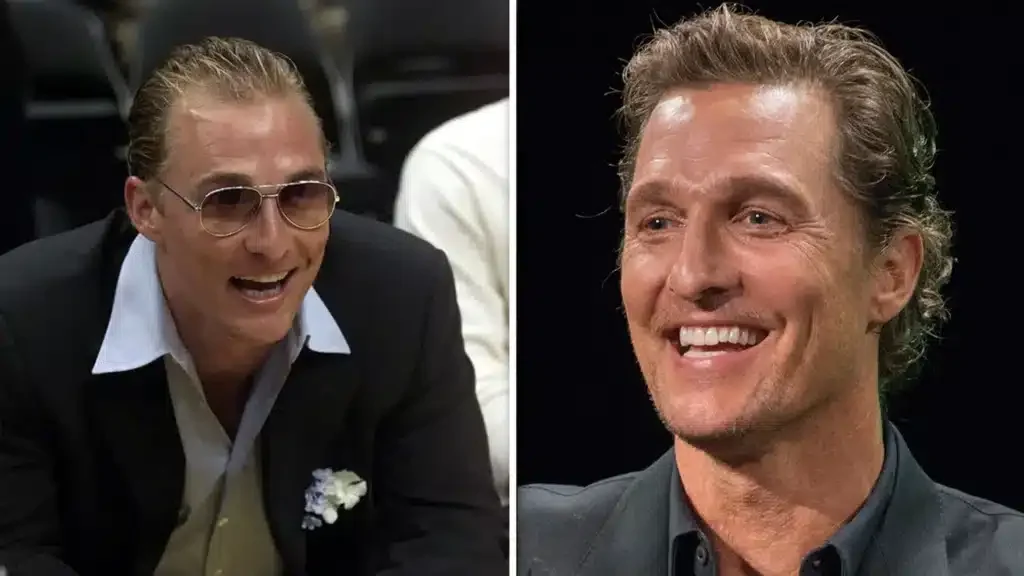
Matthew McConaughey’s noticeable hair transformation is one of the most cited examples fueling the question: “Was it a hair transplant?” The fascination comes from the impression of overall recovery—density, hairline, and hair quality—rather than a simple styling change. Importantly, the shift is often perceived as gradual over years, which naturally invites deeper analysis.
In such cases, public opinion typically oscillates between two scenarios: a surgical transplant versus a medical/cosmetic regimen. The key is to evaluate a timeline rather than isolated photos. Post-transplant patterns (redness, shock loss, staged regrowth) differ from medical-therapy patterns (stabilization, thickening, slower but consistent density gains).
This section explains why McConaughey’s situation became a benchmark in “hair regrowth” conversations—through the lens of perception, time, and clinical plausibility.
Hair Transplant or Medical Treatment? How to Build a Decision Framework
When assessing hair recovery, the most valuable approach is to establish an evidence hierarchy. In celebrity cases, medical records and physician confirmation are rarely available, so analysis relies on hairline geometry, density distribution, temporal patterns, and any visible post-procedure signals. A transplant redistributes follicles from a donor area to a recipient zone, which can sometimes create a sharper sense of hairline re-definition.
Medical interventions (e.g., anti-androgen approaches, topical regimens, supportive biologic strategies) typically focus on slowing miniaturization, thickening existing hair, and stabilizing shedding. As a result, medical-driven improvement often appears more homogeneous and gradual. Still, combination strategies are common in modern practice, making hybrid outcomes plausible.
This section provides a structured framework to evaluate the “transplant vs. treatment” question in a practical, systematic way.
Androgenetic Alopecia and the Reality of “Regrowth”
Male-pattern hair loss (androgenetic alopecia) is a chronic process driven by genetics and androgen sensitivity. Over time, hair shafts thin (miniaturize), the growth phase shortens, and scalp visibility increases. What the public calls “hair regrowth” is sometimes the thickening of miniaturized hairs plus a reduction in shedding.
The key distinction is that fully lost follicles rarely return, while weakened follicles can improve in caliber and visibility—especially in early to mid stages. With medical support, this can create a strong impression of recovery. In McConaughey’s case, much of the debate centers on this: genuinely new hair versus improved quality and thickness of existing hair.
This section explains the biological foundations of androgenetic alopecia and clarifies when “regrowth” claims can be clinically plausible.
Photo Analysis: Lighting, Angles, and Scalp Visibility
Lighting and camera angles are among the biggest drivers of perceived hair density. Harsh overhead lighting increases scalp visibility, while diffused lighting enhances volume. Wet hair, gel, and slicked-back styles can expose the scalp, whereas short textured cuts can do the opposite.
Across McConaughey’s timeline, “thinner” phases often coincide with stage lighting, film-set conditions, or styling choices that pull hair back. Fuller-looking phases typically align with professional grooming, volumizing, and higher-quality imaging. Therefore, making definitive conclusions from a single frame is scientifically risky.
This section explains how to read visual data correctly and why false-positive transplant claims commonly emerge.
If It Were a Transplant, What Clinical Signs Would We Expect?
Hair transplantation, particularly via FUE/FUT, usually follows a recognizable recovery pattern. Early days often involve redness, crusting, and short-term sensitivity. This is typically followed by shock loss, where transplanted hairs shed temporarily—commonly noticeable between weeks 2 and 8. Gradual regrowth tends to start around month 3, with final density often assessed at months 9–12.
Celebrity cases can conceal this timeline, yet for highly visible figures it is uncommon for the entire process to leave no trace. McConaughey’s perceived gradual improvement can align with medical therapy, although it does not prove it.
This section outlines the standard post-transplant timeline and the kinds of public-facing clues that may appear.
Medical Protocols: DHT, Miniaturization, and Stabilization
Medical hair-loss management focuses on reducing androgen-driven miniaturization at the follicle level and optimizing the hair growth cycle. These strategies typically slow shedding, thicken hair shafts, and improve the perception of overall fullness. Public narratives have sometimes implied that McConaughey favored a product/treatment-based approach rather than surgery.
The key point is that medical outcomes are time-dependent and require consistent use. Dramatic changes within weeks are usually not realistic, but gradual improvement over months to years is clinically plausible. Lifestyle variables—stress, sleep, nutrition, and inflammation control—may also enhance treatment response.
This section explains the medical pathway as a biological process, not a celebrity rumor, and provides realistic expectation management.
Lifestyle Impact: Stress, Sleep, Nutrition, and Hair
Hair follicles are sensitive to metabolic stress and hormonal fluctuations. Chronic stress can disrupt cortisol balance and push hair into the telogen phase, while poor sleep may weaken repair mechanisms. Nutritional factors—iron, zinc, vitamin D, B12, adequate protein, and omega-3 balance—directly influence hair quality.
In high-pressure careers like McConaughey’s, stress load can vary by period, and these fluctuations may reflect in hair appearance. Therefore, a pattern of “thinner then fuller” does not automatically require a surgical explanation. Lifestyle optimization is a strategic layer that can amplify medical outcomes.
This section frames hair health as a systems problem—not just a procedure—offering logic readers can apply to their own context.
Cosmetic Concealment and Styling: How Much Can It Change Reality?
Modern hair cosmetics can significantly alter the perception of density. Hair fibers, volumizing powders, scalp concealers, blow-drying techniques, and professional cuts can create an immediate “thicker hair” impression—especially along the hairline and crown.
It is standard for celebrities to work with grooming teams for red carpets, sets, and interviews. Therefore, some “regrowth” impressions may be purely cosmetic optimization. Conversely, in casual photos or harsh lighting, the illusion may fade.
This section explains the real power of cosmetic concealment—without exaggeration—and why it must be accounted for when evaluating medical claims.
The Hybrid Scenario: Could It Be Transplant + Treatment?
In modern practice, the strongest strategies are often combination-based. A transplant can increase density in targeted zones, while medical therapy preserves existing hair and strengthens overall outcomes. Therefore, visible improvement does not necessarily imply a single intervention.
In McConaughey’s case, the key overlooked point is this: even if a procedure occurred, assuming it was “transplant only” may be inaccurate. Conversely, well-executed medical protocols can also create meaningful visual gains. The most credible stance is probability management and timeline-based reading—not absolute claims.
This section explains why a hybrid pathway is clinically plausible, focusing on procedure logic, maintenance continuity, and outcome optimization.
Conclusion: Evidence-Based Evaluation and Practical Takeaways
While Matthew McConaughey’s hair transformation is a highly influential case in the “transplant vs. treatment” debate, reaching definitive conclusions without verified records is not professionally sound. Visual data can be easily distorted by lighting, angles, styling, and period-specific stress. The most reliable approach is a process-based, biology-driven framework.
The key takeaway for readers is that hair management is not a miracle fix; it is an integrated strategy involving accurate diagnosis, sustainable protocols, and lifestyle optimization. When hair loss is suspected, dermatologic assessment, lab parameters, and personalized planning should be standard.
This final section delivers a non-speculative close: when evidence is absent, you build frameworks—not claims. Strong frameworks empower smarter personal decisions.