




Published: 2026-02-04
Updated: 2026-02-04
Editorial note
Map of Health content is prepared with an evidence-based approach. References are provided for transparency.
Medical disclaimer
This content is for informational purposes only and does not replace professional medical advice, diagnosis, or treatment. If you have an urgent medical concern, seek immediate care.
"Despite affecting half the world's population, menopause remains a "taboo" in the professional world. However, concealing this process leads not only to individual burnout but also to significant economic losses."
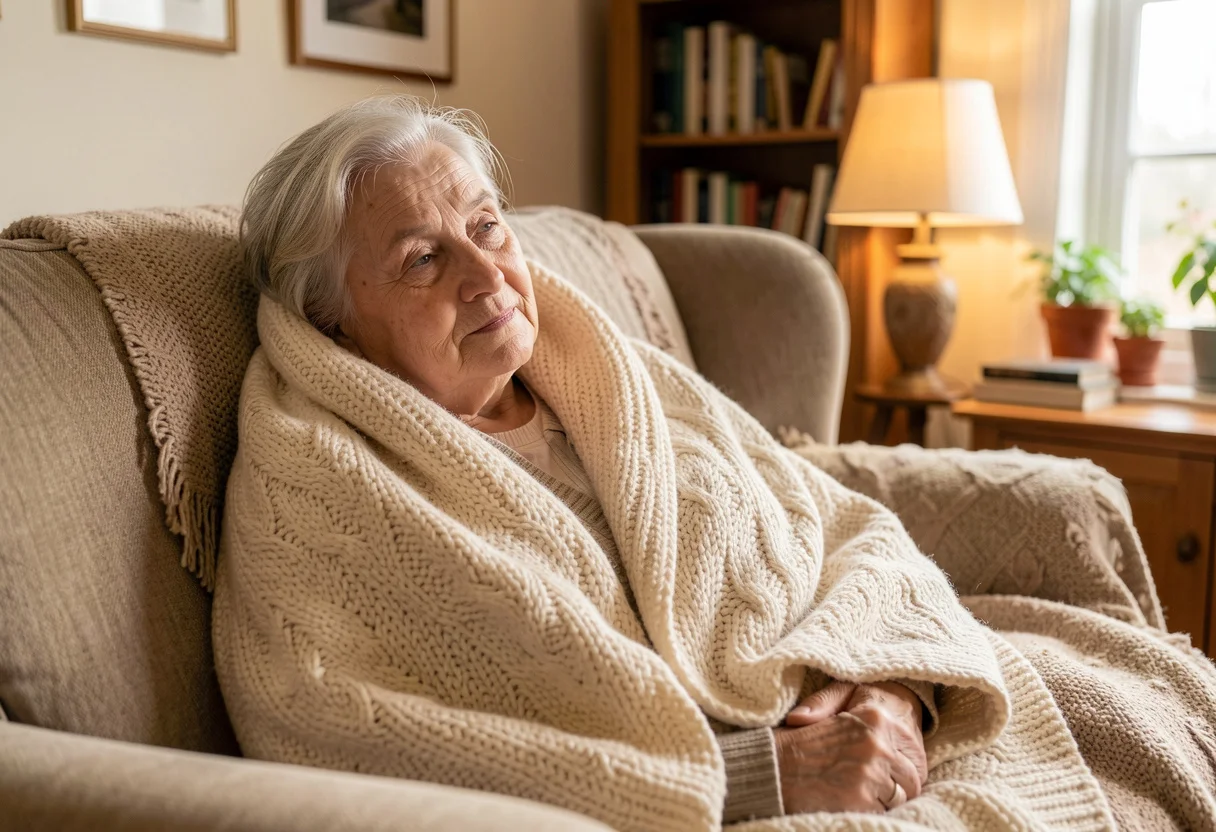
Silent Resignation and Career Loss.
Research shows that the challenges women face during menopause are not only physical but also directly impact their professional lives:
- Extra Burden: Trying to hide symptoms like brain fog, loss of focus, and fatigue creates a "marginal cost" for women. They expend twice as much energy trying to appear flawless.
- Job Loss: Studies in the UK show that one in ten women aged 40-55 quit their jobs due to menopausal symptoms.
- Preference for Invisibility: Many women reject promotion offers or choose lower-status roles because they cannot cope with the symptoms.
A Cultural Perspective: "Second Spring" or "Illness"?
While menopause is often coded as a "terrible period to get through" in Western societies, the opposite is true in different cultures:
Japan (Konenki): Menopause is expressed with the word Konenki, meaning "renewal" and "second spring."
Indigenous Communities: Among the Maya and Native Americans, menopause is celebrated as a woman's transition to a stage of wisdom and leadership.
What should employers do?
It is essential to address menopause not just as a health issue, but as a matter of workplace culture. Proposed solutions include:
- Training: Training managers on how to communicate sensitively and develop flexible work models.
- Open Communication: Recognizing menopause as a valid and legitimate reason for absenteeism.
- Breaking Stigma: Normalizing symptoms makes it easier for women to access the help they need (hormone therapy, psychological support, etc.).
Conclusion: As Margaret Mead said, "There is no greater power in the world than the vitality of a postmenopausal woman." The way to preserve this power is not by hiding the process, but by building a supportive system.