






Map of Health
Published: 2026-04-20 Updated: 2026-04-20
Editorial note
Map of Health content is prepared with an evidence-based approach. References are provided for transparency.
Medical disclaimer
This content is for informational purposes only and does not replace professional medical advice, diagnosis, or treatment. If you have an urgent medical concern, seek immediate care.
"Turkey’s National Stroke Management Plan aims to transform stroke care with digital speed, rapid intervention, and holistic treatment starting in 2026."
New Era in Stroke Management in Turkey: National Action Plan Underway

What Is the National Stroke Management Plan?

The National Stroke Management Plan is a comprehensive healthcare strategy designed to standardize stroke treatment across Turkey. It covers every stage from symptom onset to rehabilitation.

The primary goal is to reduce mortality and long-term disability by ensuring faster and more coordinated medical responses.

The Critical Importance of Early Intervention in Stroke

Time is the most critical factor in stroke treatment. Every minute of delay leads to irreversible brain damage.

The national plan focuses on minimizing delays and ensuring immediate medical response.

The Role of Digital Health Systems

Digital integration between emergency services and hospitals is a key feature of the plan.

This enables faster diagnosis and preparation before patient arrival, reducing treatment delays.

Access to Clot-Busting Treatments

Clot-dissolving treatments are highly effective when administered quickly.

The plan aims to remove bureaucratic barriers to ensure rapid access to these therapies.

Rehabilitation After Stroke

Recovery does not end at the hospital. Rehabilitation is crucial for regaining function.

The plan emphasizes structured and accessible rehabilitation services.

Intensive Care Capacity Management

Efficient use of ICU resources is essential for stroke care.

The plan introduces new discharge and patient flow strategies.

Recognizing Stroke Symptoms

Facial drooping, arm weakness, and speech difficulty are key signs.

Public awareness is essential for early intervention.

The Importance of Emergency Services

Calling emergency services ensures faster and correct hospital access.

Self-transport may delay treatment significantly.

Stroke Burden in Turkey

Stroke is one of the leading causes of death and disability in Turkey.

The national plan aims to reduce this growing burden.

Future Impact of the Plan

This initiative will significantly improve healthcare outcomes.

It is expected to reduce costs and enhance quality of life.


FAQ

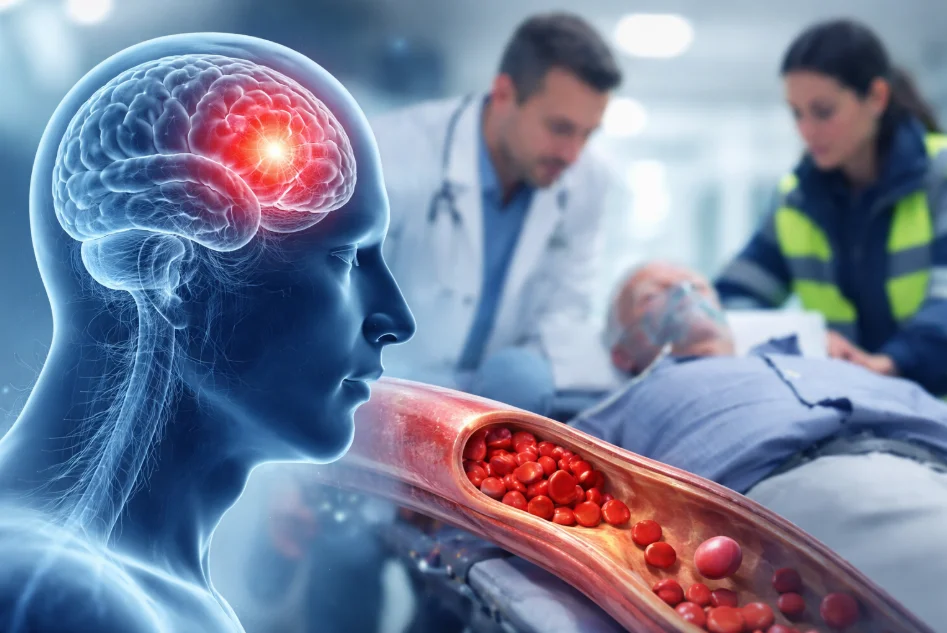
A stroke occurs when blood flow to the brain is interrupted, depriving brain cells of oxygen. The two main types are ischemic (clot-related) and hemorrhagic (bleeding). Without rapid treatment, it can lead to permanent damage or death.

Common stroke symptoms include facial drooping, arm weakness, and speech difficulty. Sudden vision loss, dizziness, and balance issues may also occur. Immediate emergency response is critical.

Every minute during a stroke results in brain cell damage. Fast intervention significantly improves survival and recovery chances.

The National Stroke Management Plan is a strategy to standardize and improve stroke care across Turkey, covering emergency response, treatment, and rehabilitation.

Calling emergency services ensures rapid transport to the appropriate hospital and avoids dangerous delays.

Clot-busting treatment dissolves blood clots to restore circulation. It is highly effective when administered within a specific time window.

Yes, with early treatment and proper rehabilitation, many patients can regain lost functions after a stroke.

Stroke risk increases with age, high blood pressure, diabetes, smoking, and obesity, but it can also occur in younger individuals.

Many strokes can be prevented through a healthy lifestyle, including balanced diet, exercise, and blood pressure control.

The plan will enable faster intervention, more effective treatment, and better rehabilitation, reducing mortality and disability rates.