






What is coenzyme Q10?
Coenzyme Q10 is a vitamin-like substance mostly but not exclusively found in the in organs with high energy metabolism such as the heart, brain, liver, and kidney. It is vital for many events related to energy production. It also supports the immune system.
Antioxidant effect of coenzyme Q10
Coenzyme Q10 is a very powerful antioxidant and plays a very important role in protecting cells from the effects of oxidative stress. It can protect cell membranes, LDL cholesterol (the good type of cholesterol), cell proteins, and DNA from oxidative damage. Coenzyme Q10 also helps restoring other antioxidants such as vitamin C or E. Due to these properties, Coenzyme Q10 is listed among the important exogenous antioxidant supplements.
Other effects of coenzyme Q10
Coenzyme Q10 can regulate fat synthesis in the body and prevent abnormal fat accumulation in the liver. It also helps regulating the inflammatory response. Studies have shown that inflammation was significantly reduced in people with various chronic diseases who used coenzyme Q10 supplement in the dose of 100-300 mg per day for 3 months. Additionally, coenzyme Q10 directly affects the endothelium, causing vasodilation and lowering blood pressure. A clinical study involving 684 individuals showed that coenzyme Q10 supplementation significantly reduced systolic blood pressure.
Coenzyme Q10 deficiency
Regarding to its important role in the vitality cycle, it is understandable that why coenzyme Q10 deficiency impairs energy production in the cells. Due to the high energy demands placed on the whole body, it can affect any part of it, especially the brain, muscles, and kidneys. Coenzyme Q10 deficiency symptoms can vary with age; while symptoms may dramatically appear in infancy, they may not even be observed at all when the person is older.
Coenzyme Q10 deficiency can also impair the body's defence systems against oxidative stress caused by hyperglycemia in patients with diabetes. Studies have showed that diabetic patients have significantly lower levels of coenzyme Q10 comparing to healthy individuals.
A serious decrease in coenzyme Q10 levels can lead to the onset of cancer. Many studies have indicated that patients with lung, pancreatic, and breast cancer have lower plasma coenzyme Q10 levels than non-cancerous individuals.
Coenzyme Q10 deficiency can lead to other serious problems in various organs. In brain tissue, it can cause ataxia and many other neurological symptoms. In kidney tissue, it causes nephrotic syndrome and kidney dysfunction, eventually leading to kidney failure. In heart tissue, it causes the weakening of the heart muscle due to low energy, which is characteristic of hypertrophic cardiomyopathy.
What are the symptoms of coenzyme Q10 deficiency?
Coenzyme Q10 has extremely beneficial effects on almost every system; therefore, its deficiency can be manifested by a wide spectrum of health issues. These issues occur with various symptoms. The symptoms of coenzyme Q10 deficiency can be listed as follows:
Immune system disorders and weakness
Heart problems
Lack of energy, fatigue, and weakness
Imbalance in cholesterol and blood pressure levels
Muscle pain
Some skin problems; dryness, wrinkles, acne, and tone inequalities
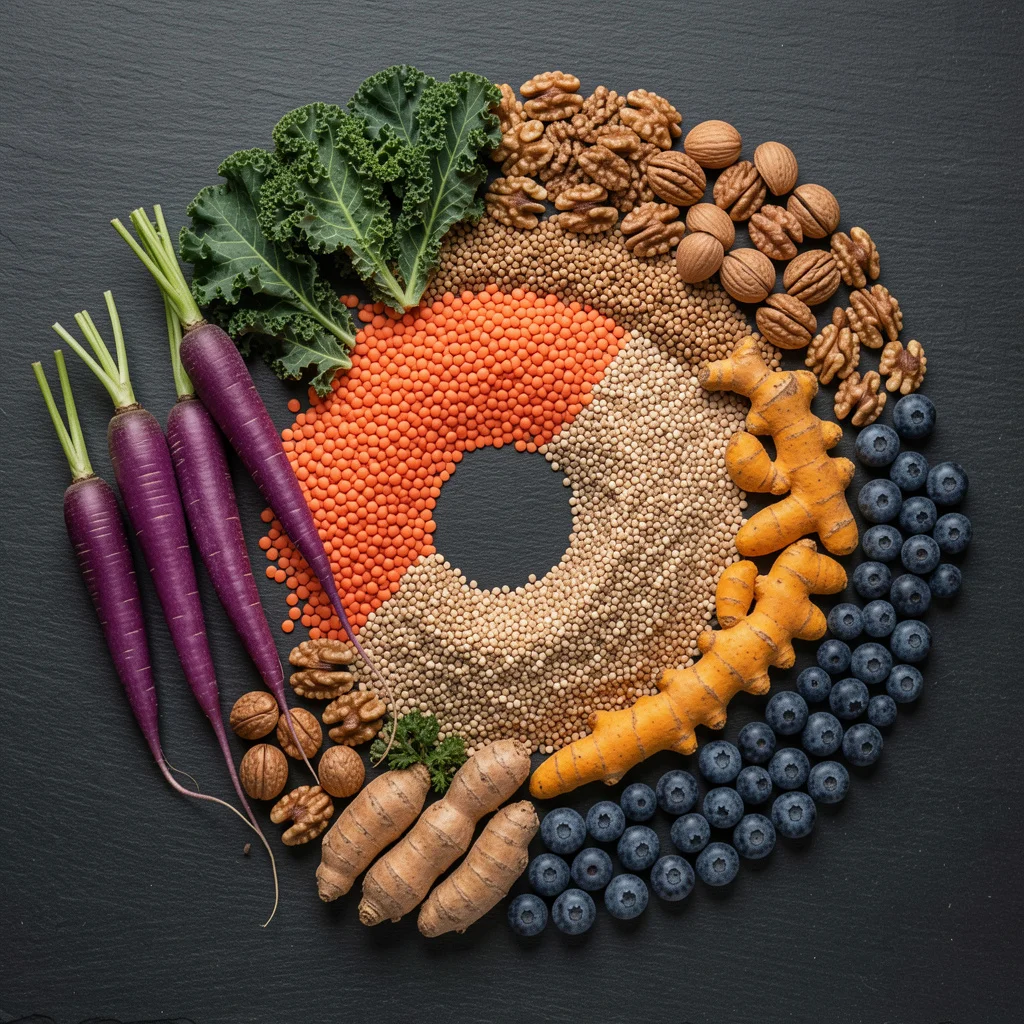
What are the foods rich in coenzyme 10?
Red meat
Chicken meat
Salmon, mackerel
Broccoli, cauliflower
Offal
Vegetable oils such as olive oil and corn oil
Eggs and dairy products
Coenzyme Q10 supplementation
Since coenzyme Q10 is synthesized in all tissues, the body is not normally dependent on exogenous supplementation; however, endogenous biosynthesis tends to decline with age. Furthermore, tissue coenzyme Q10 may be compromised in many pathophysiological conditions. Under these conditions, exogenous coenzyme Q10 supplementation may be required to maintain normal blood and tissue levels.
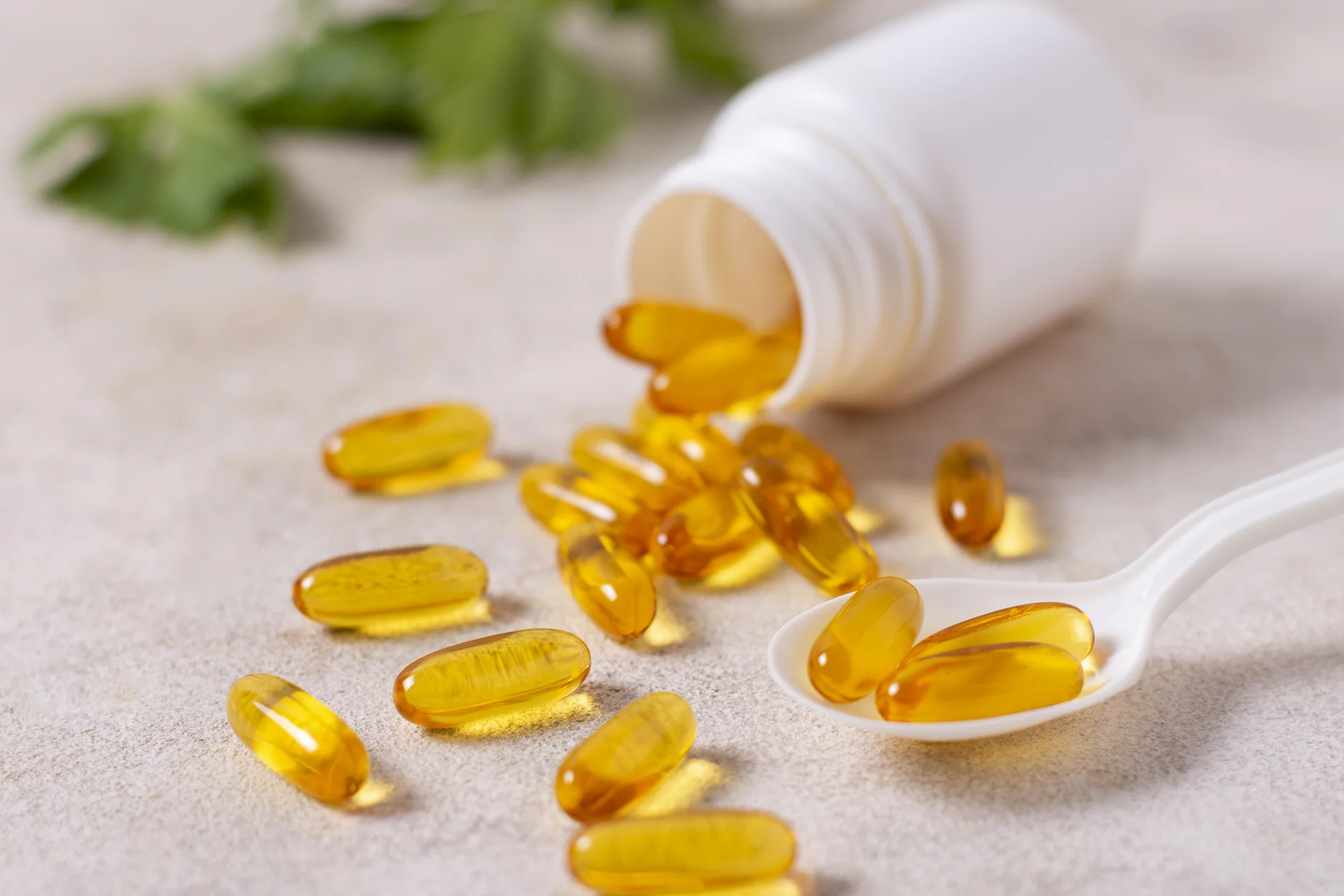
It is available as a supplement in the capsule forms containing 30, 60, 100, 200, 300, 400, and 600 mg of active ingredient. Although there is no established minimum or maximum effective dose, the average dose required to achieve a therapeutic blood level of 2.5 mcg/ml is 100 mg taken twice daily with food. Daily doses of 100 to 400 mg have been used in cardiology studies, while doses of 600 to 3000 mg have been used in neurodegenerative diseases (Huntington's disease, Parkinson's disease, and amyotrophic lateral sclerosis).
Coenzyme Q10 supplementation and diabetes
Coenzyme Q10 can be used in the treatment of metabolic syndrome and type 2 diabetes due to its antioxidant properties. A study reported that coenzyme Q10 treatment (260 mg per day for 11 weeks) in patients with type 2 diabetes could significantly reduce fasting blood sugar levels. It has been suggested that exogenous supplementation of coenzyme Q10 may improve glycemic control in diabetic patients. Furthermore, recent clinical studies have linked insulin resistance to a decrease in the amount of coenzyme Q10 in the body and suggest that exogenous coenzyme Q10 supplementation may restore insulin sensitivity.
Coenzyme Q10 supplementation and cardiological diseases
A 2-year treatment with coenzyme Q10 (300 mg/day) as an adjunct therapy in a study of 420 patients with chronic heart failure showed improvement in symptoms and a reduction in major cardiovascular events. A study of the effects of long-term treatment with coenzyme Q10 (200 mg/day) plus selenium in a healthy Swedish elderly population showed a significant reduction in cardiovascular mortality compared to those whom were not treated during the 4-year treatment period.
Coenzyme Q10 supplementation and neurological diseases
Clinical studies have shown that coenzyme Q10 can reduce the loss of dopaminergic neurons in Parkinson's patients. Experimental studies on animal models report that coenzyme Q10 can protect against nerve cell damage caused by injuries. Coenzyme Q10 is also effective in the treatment of Alzheimer's disease thanks to its antioxidant properties. In a study conducted with a pediatric patient group consisting of 1550 cases with frequent headache complaints, plasma coenzyme Q10 levels of individuals were low, and it was stated that both headache frequency and migraine assessment questionnaire scores were significantly reduced when 3mg/kg/day coenzyme Q10 was given to individuals with low plasma coenzyme Q10 levels for 97 days. For these reasons, it is suggested that coenzyme Q10 supplementation may benefit patients suffering from neurodegenerative diseases.
Points to consider when using coenzyme Q10
There is no known absolute contraindication for coenzyme Q10, but caution should be taken in pregnant or breastfeeding women or young children.
Side effects related to coenzyme Q10 are rare. Less than 1% of patients may experience discomfort such as decreased appetite, diarrhea, dizziness, indigestion, and nausea/vomiting.
Taking coenzyme Q10 supplements with the warfarin (coumadin) may reduce the effectiveness of the drug.
Due to the potential hypoglycemic and hypotensive effects of coenzyme Q10, monitoring (follow-up) is recommended, especially when used with prescription drugs.
Arenas-Jal M, et al., Coenzyme Q10 supplementation: Efficacy, safety, and formulation challenges. (2020).
Bagheri S, et al., Neuroprotective effects of coenzyme Q10 on neurological diseases: a review article. (2023).
Gasmi A, et al., Coenzyme Q10 in aging and disease. (2024).
Garrido-Maraver J, et al., Clinical applications of coenzyme Q10. (2014).
Guerra R and Pagliarini DJ, Coenzyme Q biochemistry and biosynthesis. (2023).
Mantle D, et al., Primary coenzyme q10 deficiency: an update. (2023).
McRae MP, Coenzyme Q10 supplementation in reducing inflammation: an umbrella review. (2023).
Toprak MS, et al., The effect of coenzyme q10 on oxidative stress and endoplasmic reticulum stress in an experimental diabetes model. (2023).
Zhang SY, et al., Effectiveness of coenzyme q10 supplementation for type 2 diabetes mellitus: a systematic review and meta-analysis. (2018).
Zozina VI, et al., Coenzyme Q10 in cardiovascular and metabolic diseases: current state of the problem. (2018).