






Visiting Researcher&Lecturer - University College London, Mechanical Engineering and Faculty of Medicine, UK
Visiting Lecturer - University of Aveiro, Faculty of Biomedical Engineering, Portugal

What is vitamin and mineral excess, and how does it occur?
Vitamin and mineral excess—clinically referred to as hypervitaminosis or mineral toxicity—describes the physiological and biochemical disturbances that arise when micronutrient intake exceeds the body’s metabolic needs. Contrary to common belief, this condition rarely results from food consumption alone; rather, it is primarily associated with the uncontrolled and prolonged use of dietary supplements.
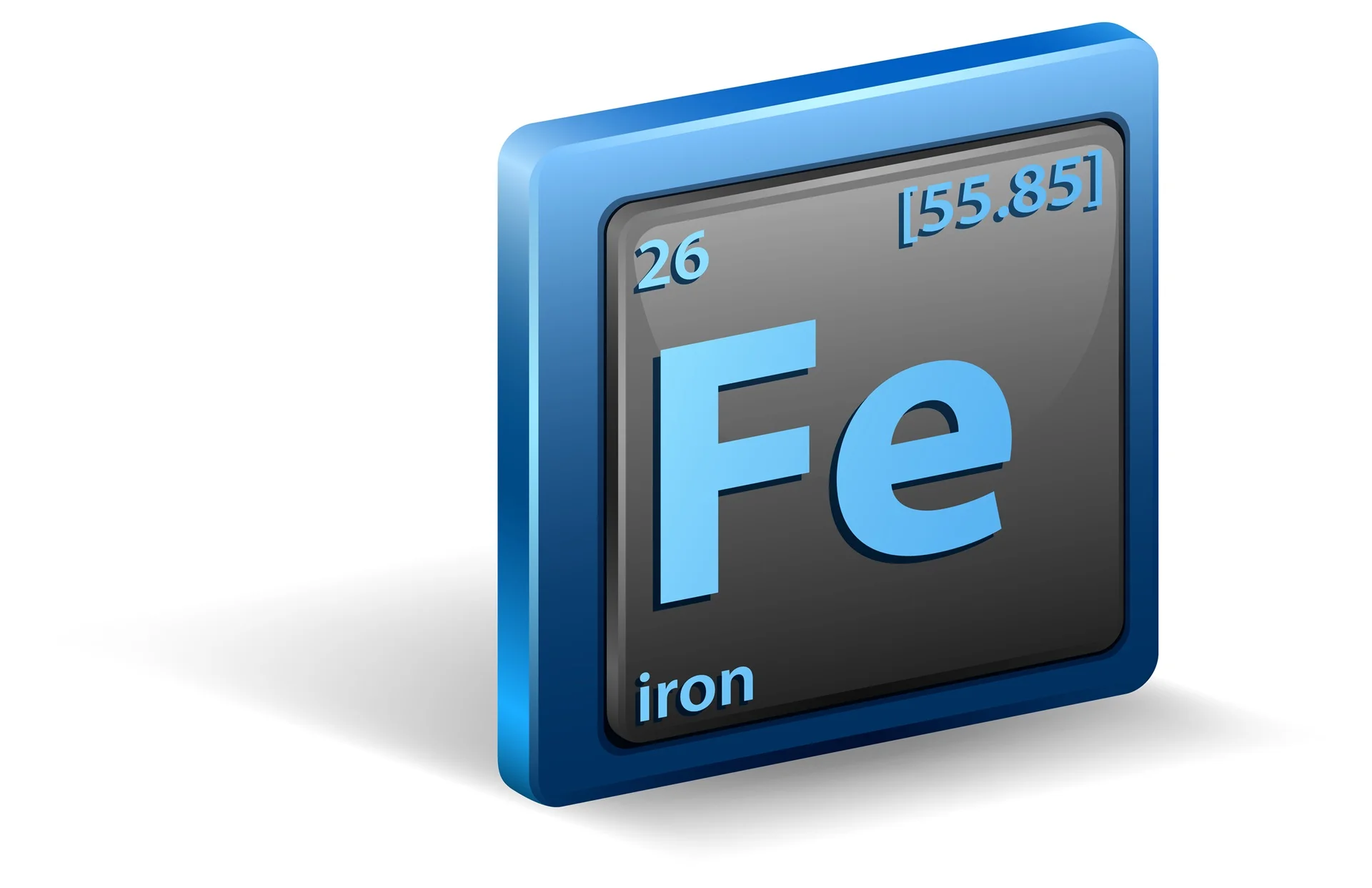
Fat-soluble vitamins (A, D, E, and K) pose a particular risk because they accumulate in body tissues instead of being readily excreted. As a result, even moderately excessive intake over time may lead to toxicity. Water-soluble vitamins, such as B-complex vitamins and vitamin C, are generally excreted through urine; however, high-dose supplementation can still overwhelm renal clearance mechanisms and induce adverse neurological, gastrointestinal, or metabolic effects. Mineral excess follows similar principles. Iron, zinc, selenium, calcium, and copper toxicity have all been well documented in clinical and epidemiological studies. Iron overload, for instance, promotes oxidative stress and organ damage, particularly in the liver and heart.
One of the most dangerous aspects of micronutrient excess is its insidious onset. Symptoms such as fatigue, nausea, headaches, mood changes, or skin abnormalities are often misattributed to stress or unrelated illnesses. Consequently, the underlying cause—chronic supplement overuse—remains undetected. The scientific literature increasingly recognizes vitamin and mineral toxicity as a growing public health concern, driven by aggressive marketing and misinformation surrounding “natural” health products.
Why can excess be more dangerous than deficiency?
In states of deficiency, the human body often activates compensatory mechanisms that preserve essential physiological functions. In contrast, excessive micronutrient intake may initiate active cellular toxicity. Fat-soluble vitamins, in particular, can accumulate to levels that disrupt organ function and cellular homeostasis.
Vitamin A toxicity, for example, has been linked to liver failure, osteoporosis, intracranial hypertension, and teratogenic effects during pregnancy. Vitamin D excess disrupts calcium metabolism, leading to hypercalcemia, nephrolithiasis, vascular calcification, and cardiac arrhythmias. Unlike deficiency-related symptoms, these effects are frequently irreversible.
From a cellular perspective, excess micronutrients may increase oxidative stress, impair mitochondrial function, and dysregulate gene expression. This biochemical imbalance promotes chronic inflammation and accelerates tissue damage. In this context, excess intake does not merely represent an absence of benefit—it becomes a direct pathogenic factor. Scientific consensus increasingly emphasizes that physiological balance, not maximal intake, is the cornerstone of micronutrient health.
Which vitamins pose the greatest risk when consumed in excess?
The most clinically significant risks are associated with fat-soluble vitamins. Vitamin A excess leads to hepatotoxicity, bone demineralization, alopecia, and neurological symptoms. In pregnant women, excessive vitamin A intake is strongly associated with congenital malformations.
Vitamin D toxicity has emerged as a major concern in recent years due to widespread high-dose supplementation without medical supervision. Chronic excess results in sustained hypercalcemia, increasing the risk of kidney failure and cardiovascular complications. Vitamin E excess may interfere with blood coagulation and has been associated with increased all-cause mortality in some large-scale meta-analyses.
These vitamins share a common risk factor: prolonged intake based on the misconception that “natural” substances are inherently safe. Scientific evidence unequivocally refutes this assumption.
What are the consequences of mineral excess in the body?
Minerals are essential cofactors in enzymatic reactions; however, excessive levels disrupt metabolic pathways. Iron overload promotes free radical formation, leading to tissue fibrosis and organ failure. Zinc excess interferes with copper absorption, resulting in anemia and immune dysfunction.
Selenium toxicity manifests as hair loss, nail brittleness, neurological impairment, and gastrointestinal disturbances. Excess calcium contributes to nephrolithiasis and arterial calcification. These conditions frequently go undiagnosed unless supplementation history is carefully evaluated.
Are multivitamin supplements truly safe?
Multivitamin formulations are designed to prevent deficiencies; however, their routine use in otherwise healthy individuals lacks strong scientific justification. When combined with fortified foods and additional supplements, multivitamins may inadvertently push micronutrient intake beyond safe upper limits.
Large cohort studies suggest minimal benefit—and potential harm—from indiscriminate multivitamin use, particularly in older adults and individuals with impaired renal function.
Why are symptoms of excess detected late?
Excess intake of vitamins and minerals often presents with non-specific symptoms that can easily be attributed to other causes. Fatigue, sleep disturbances, gastrointestinal complaints, headaches, or changes in skin condition are frequently linked to stress, aging, or unrelated health issues. As a result, the underlying cause may be overlooked.
Fat-soluble vitamins (A, D, E, and K), in particular, tend to accumulate in the body, leading to gradual and insidious symptom progression. When diagnosis is delayed, toxicity deepens and the risk of organ damage increases. For this reason, persistent and unexplained symptoms require comprehensive clinical evaluation.
Who is at higher risk?
Certain populations are at significantly higher risk of vitamin and mineral excess. Pregnant individuals are particularly sensitive to high doses that may adversely affect fetal development. In older adults, absorption, metabolism, and excretion mechanisms may be impaired. Individuals with chronic illnesses and those using multiple supplements or medications face an increased risk of interactions.
Additionally, people who consume high-dose supplements based on online advice or unverified sources fall into this high-risk category. In these groups, uncontrolled supplementation may lead to toxicity rather than benefit.
When are supplements truly necessary?
Supplement use is justified only in cases of scientifically documented deficiency. When laboratory tests confirm a vitamin or mineral deficiency, supplementation should be initiated under the supervision of a physician or dietitian, with appropriate dosage and duration. Random or preventive use without evidence of deficiency lacks scientific validity.
Most healthy individuals can meet their micronutrient needs through a balanced and varied diet. Supplements are therapeutic tools, not universal health enhancers, and should not be used indiscriminately.
Is it appropriate to take supplements without blood testing?
Using supplements without knowing blood levels is comparable to taking medication blindly and contradicts the principles of modern medicine. Individual requirements vary according to age, sex, lifestyle, medical conditions, and concurrent medication use. Supplementing nutrients that are not deficient offers no benefit and may increase toxicity risk.
Modern medicine emphasizes personalized assessment, and blood tests serve as an essential guide for both preventing deficiency and avoiding excess.
What is the safest way to maintain vitamin and mineral balance?
The safest approach to maintaining vitamin and mineral balance combines balanced nutrition, regular health screenings, and supplement use guided by scientific recommendations. A diverse dietary pattern that includes vegetables, fruits, whole grains, protein sources, and healthy fats provides most micronutrients naturally.
Supplements should be introduced only when necessary and for defined periods. The key principle is clear: supplements do not replace nutrition; they complement it. When this balance is respected, the risks of both deficiency and excess are minimized.
Conclusion: Vitamins and minerals are essential for life; however, when dosage, duration, and true need are ignored, they can become silent toxins. Excess intake is often detected late and may progress to organ damage. The message of modern medicine is clear: excess is as much a disease as deficiency. Protecting health requires informed nutrition, regular blood monitoring, and supplementation under professional guidance. Micronutrients managed with knowledge support health; when used without control, they pose serious risks.
Visiting Researcher&Lecturer - University College London, Mechanical Engineering and Faculty of Medicine, UK
Visiting Lecturer - University of Aveiro, Faculty of Biomedical Engineering, Portugal
- World Health Organization (WHO). Vitamin and Mineral Requirements in Human Nutrition.
- National Institutes of Health (NIH). Office of Dietary Supplements – Fact Sheets.
- Hathcock JN et al. Risk assessment for vitamins and minerals. Am J Clin Nutr.
- Vieth R. Vitamin D toxicity, policy, and science. J Bone Miner Res.
- Penniston KL, Tanumihardjo SA. The acute and chronic toxic effects of vitamin A. Am J Clin Nutr.
- Biesalski HK. Toxicity of trace elements. Elsevier Clinical Nutrition.
- Institute of Medicine (IOM). Dietary Reference Intakes.
- Rautiainen S et al. Vitamin supplementation and mortality. JAMA.
- Springer Nature Reviews – Micronutrient excess and toxicity.
- Wiley Online Library – Mineral metabolism and toxicology reviews.