






Visiting Researcher&Lecturer - University College London, Mechanical Engineering and Faculty of Medicine, UK
Visiting Lecturer - University of Aveiro, Faculty of Biomedical Engineering, Portugal
What Is the Ketogenic Diet? How Does Ketosis Work?
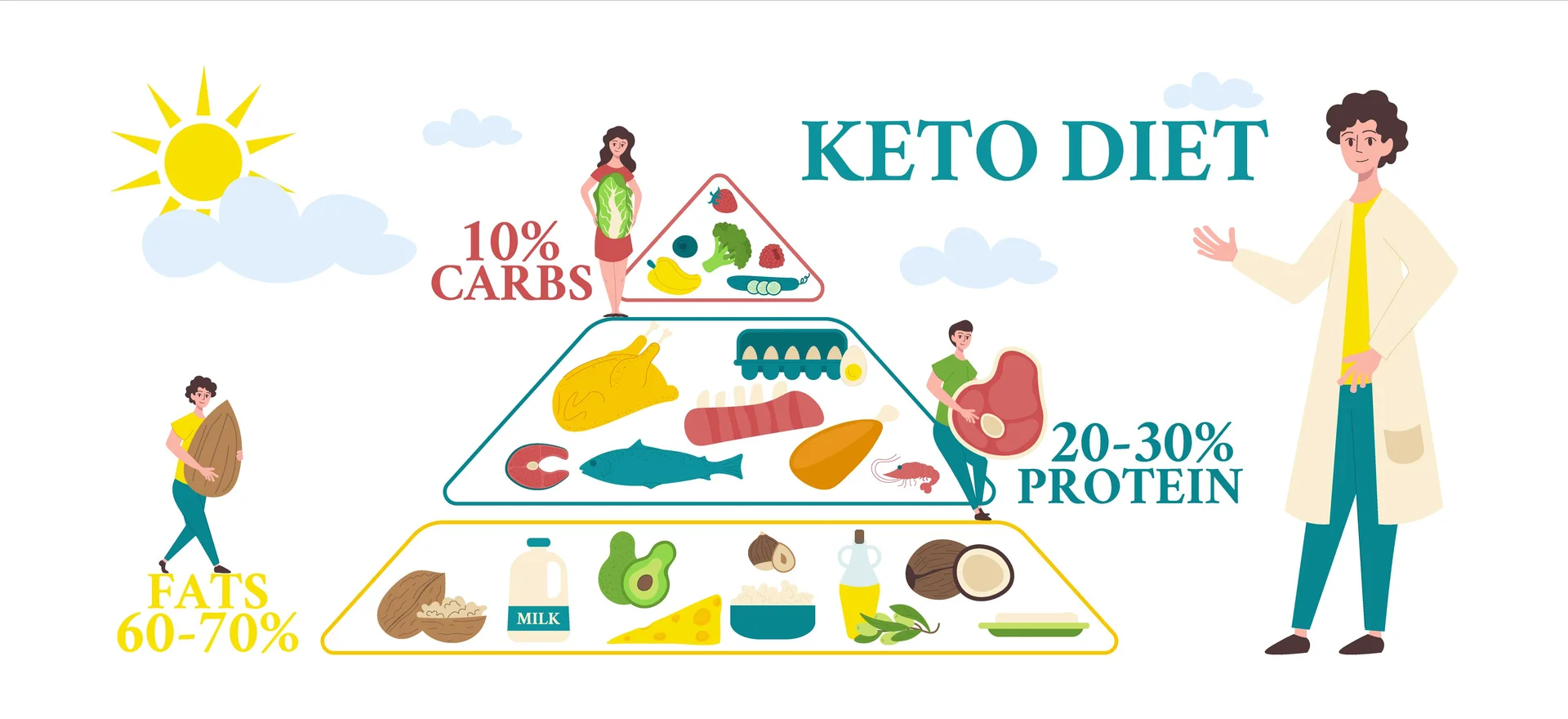
The ketogenic diet (keto) is a nutrition approach that sharply reduces carbohydrates and increases fat intake to shift the body into a metabolic state called “ketosis.” Under normal conditions, the body primarily uses glucose (from carbohydrates) for energy. When carbohydrate intake becomes very low, the liver produces ketone bodies from fatty acids, and energy gradually shifts toward ketones. While often marketed as “fat burning,” the clinically relevant point is the fuel-switch mechanism.
Ketosis may offer advantages for some people in weight management, insulin response, and appetite control. However, not everyone responds the same way. Success is not just about cutting carbs—it depends on adequate protein, fat quality, fiber and micronutrient balance, and a sustainable plan. Keto is therefore a metabolic strategy that can offer benefits when executed correctly and risks when implemented poorly.
How to Do Keto: Macro Targets and Core Rules
The core rule of keto is keeping net carbohydrates (carbs minus fiber) below a certain threshold. Many protocols target 20–50 grams of net carbs per day. Fat makes up the majority of calories, while protein is set at a sufficient but not excessive level. One reason is that very high protein can increase glucose production via gluconeogenesis in some individuals, potentially making ketosis harder to maintain.
Practically, keto reduces sugar, bread, rice, pasta, most flour-based products, and high-starch foods. Instead, it emphasizes meat, fish, eggs, olive oil, avocado, nuts, full-fat dairy (as tolerated), and low-carb vegetables. A healthy keto plan is not “just eating fat”—it requires adequate fiber, electrolytes (sodium, potassium, magnesium), and protein balance. The safest approach is to treat the first 2–4 weeks as an adaptation and monitoring phase.
What to Eat on Keto and What to Avoid
The main goal of keto is to limit foods that spike blood sugar and disrupt ketosis. Therefore, sugary drinks, desserts, refined flour products, rice, potatoes, corn, and most packaged snacks are typically considered non-keto. Many fruits are also restricted due to carbohydrate content, though small portions of low-sugar berries may fit some plans.
Keto-friendly foods include protein sources (meat, fish, eggs), healthy fats (olive oil, avocado, olives), nuts and seeds, low-carb vegetables (broccoli, zucchini, cauliflower, leafy greens), and dairy as tolerated. Quality matters: trans fats and highly processed “keto snacks” can undermine long-term metabolic benefits. To keep keto effective, choose foods based on nutrient density and processing level—not just marketing labels.
What Is the “Keto Flu”? Early Symptoms and How to Manage Them
“Keto flu” refers to adaptation symptoms some people experience during the first days or weeks of transitioning to a ketogenic diet. Common complaints include headache, fatigue, dizziness, muscle cramps, brain fog, and irritability. The main driver is often the rapid depletion of glycogen stores, which causes water loss and electrolyte shifts. Lower sodium levels, in particular, can contribute to fatigue and headaches.
The solution is not simply “eating more fat,” but managing electrolytes. Increasing fluid intake, ensuring adequate salt, and balancing potassium and magnesium can reduce symptoms. Lowering training intensity during the first 1–2 weeks and stabilizing sleep also support adaptation. Keto flu is usually temporary, but severe palpitations, fainting, or intense symptoms warrant medical evaluation. Safe keto is keto that plans for adaptation.
Weight Loss Mechanism: Why Keto May Reduce Appetite
One reason keto can help some people with weight management is appetite control. With lower carbohydrate intake, insulin fluctuations may decrease, reducing “sudden hunger” episodes in certain individuals. Ketone bodies may also influence appetite-regulating hormones indirectly. Additionally, protein and fat tend to be more satiating, which can lower overall calorie intake without constant hunger.
However, early weight loss on keto is often largely water loss; fat loss becomes clearer over weeks. Interpreting scale drops as “all fat” is inaccurate. Calorie balance still matters—unlimited high-calorie fats can stall progress. Successful keto combines appetite advantages with portion awareness and realistic targets. Prioritizing sustainable body composition change over rapid scale drops is the healthier strategy.
How Much Protein on Keto? Can Too Much Protein Kick You Out of Ketosis?
Protein is essential on keto for preserving muscle mass and supporting satiety, but the “right amount” varies by individual. Too little protein increases the risk of muscle loss. Excessively high protein may increase glucose production via gluconeogenesis in some people, potentially making ketosis harder to maintain. The goal is not “zero protein,” but an optimal range.
A practical approach is to set protein based on lean mass needs and keep carbs controlled. Active individuals may require more protein. Protein quality also matters: relying heavily on processed meats is less ideal than choosing cleaner sources like fish, eggs, and quality meats. Keto safety depends on managing macros with food quality, not only numbers. For those monitoring ketones, protein can be optimized based on personal tolerance and results.
Fiber and Gut Health on Keto: How to Prevent Constipation
Because carbohydrate intake drops on keto, fiber intake can also decline, increasing constipation risk. If vegetable intake is restricted or the diet becomes mostly “meat and fat,” bowel motility may slow. A healthy keto approach keeps low-carb, fiber-rich vegetables central: broccoli, cauliflower, zucchini, arugula, spinach, and lettuce help maintain fiber while staying keto-friendly.
Nuts and seeds (chia, flax) add both fiber and beneficial fats. Adequate fluid intake and electrolyte balance also matter for bowel function. Some people find dairy worsens constipation, so tolerance should be monitored. Preserving gut health on keto is not just about comfort; it supports microbiome balance and long-term metabolic health. Sustainability often depends on getting the fiber strategy right.
Who Should Avoid Keto? High-Risk Groups and Safety Concerns
Keto is not appropriate for everyone. People using diabetes medications—especially insulin or sulfonylureas—may face higher hypoglycemia risk and should only do keto under medical supervision. Kidney disease, liver disease, pancreatic issues, or gallbladder problems can make high-fat intake risky. During pregnancy and breastfeeding, keto should be individualized; aggressive carb restriction is not always suitable.
Those with a history of eating disorders may find rigid dieting triggers harmful patterns. Some individuals also experience LDL cholesterol increases, so monitoring is important. If you have chronic conditions or take regular medications, start with clinical guidance rather than an internet template. Safe keto is keto done by the right person, for the right goal, with proper monitoring.
Long-Term Keto: How to Make It Sustainable
The most important keto question is not “how fast will I lose weight?” but “can I sustain it?” Long-term sustainability depends on social life, food variety, fiber and micronutrient balance, and psychological fit. Many people transition to a more flexible low-carb approach after reaching a goal or gradually reintroduce carbs in a controlled way for maintenance.
For long-term keto, fat quality should be prioritized (olive oil, avocado, fatty fish) while trans fats and ultra-processed products are minimized. Periodic labs can track lipid profile, liver enzymes, and kidney function. Vegetable variety remains important for gut health. Treat keto as a goal-driven metabolic system—not a rigid “ban list”—to improve sustainability. The best diet is the one you can follow long-term.
Keto Safety Checklist: Step-by-Step Guide
A practical checklist helps keep keto safe. (1) Clarify your goal: weight management or metabolic control? (2) Reduce carbs gradually—sudden drops can worsen keto flu. (3) Manage electrolytes: adequate water and salt, balanced potassium and magnesium. (4) Set protein targets: too low risks muscle loss, too high may challenge ketosis in some people. (5) Build a fiber strategy with low-carb vegetables. (6) Prioritize food quality: choose fats like olive oil, avocado, and fatty fish. (7) Monitor outcomes: energy, sleep, digestion, performance, and—when appropriate—lab values.
These steps help keto function as a controlled strategy rather than an unhealthy “fat diet.” If you have chronic disease or take medications, add medical supervision on top of this checklist. Safe keto is keto that is measured, monitored, and adjusted when necessary.
Visiting Researcher&Lecturer - University College London, Mechanical Engineering and Faculty of Medicine, UK
Visiting Lecturer - University of Aveiro, Faculty of Biomedical Engineering, Portugal
-
Harvard T.H. Chan School of Public Health
The Ketogenic Diet: Is It Safe?
https://www.hsph.harvard.edu/nutritionsource/healthy-weight/diet-reviews/ketogenic-diet/ -
Mayo Clinic
Ketogenic Diet: Is the Low-Carb Diet Healthy?
https://www.mayoclinic.org/healthy-lifestyle/weight-loss/in-depth/ketogenic-diet/art-20459361 -
National Institutes of Health (NIH)
Dietary Carbohydrates and Health
https://www.ncbi.nlm.nih.gov/pmc/articles/PMC6520897/ -
Cleveland Clinic
What Is the Keto Diet and Is It Safe?
https://health.clevelandclinic.org/what-is-the-keto-diet/ -
British Journal of Nutrition
Paoli A. Ketogenic Diet for Obesity: Friend or Foe?
https://www.cambridge.org/core/journals/british-journal-of-nutrition -
Journal of Clinical Endocrinology & Metabolism
Hall KD et al. Energy expenditure and body composition changes on ketogenic diets
https://academic.oup.com/jcem -
American Diabetes Association (ADA)
Low-Carbohydrate Eating Patterns
https://diabetes.org/healthy-living/recipes-nutrition/eating-well/low-carb -
European Journal of Clinical Nutrition
Ketogenic Diets and Cardiovascular Risk Factors
https://www.nature.com/ejcn/ -
StatPearls – NCBI Bookshelf
Ketogenic Diet
https://www.ncbi.nlm.nih.gov/books/NBK499830/ -
World Health Organization (WHO)
Healthy Diet Fact Sheet
https://www.who.int/news-room/fact-sheets/detail/healthy-diet