



What is Zinc?
Zinc is an essential trace element that is needed to facilitate a wide variety of physiological functions required for human health. Zinc is involved in everything from wound healing and immune function to hormone balance and brain functioning. As a cofactor for over 300 enzymes, zinc is involved in vital biological processes such as:
- Gene expression
- Enzyme reactions
- Immune function
- Protein and DNA synthesis
- Repair and healing of tissues
- Growth and development
- Smell and taste
- Reproductive health and hormonal function
Zinc is found in all body cells and is the most common trace mineral after iron. Zinc is stored in the human body as skeletal muscle and bone, with females containing approximately 1.5 g and men containing 2.5 g. Because zinc cannot be stored or synthesized by the human body, it must be obtained through diet.
Functions and Benefits of Zinc
Immune support
Zinc plays an important role in immune response by activating T-cells and natural killer cells, which aid in pathogen elimination. Several studies have confirmed that if taken within 24 hours of symptom onset, zinc lozenges or syrups can shorten the duration of common colds by up to two days, or approximately 33%.
Wound Healing
Zinc is critical for proper wound healing due to its role in cell division, collagen synthesis, and inflammatory response. Zinc supplements are commonly used in hospitals for the treatment of burns, skin ulcers, and surgical wounds. One study in diabetic patients found that 50 mg of zinc per day over 12 weeks significantly reduced ulcer size.
Anti-Aging and Disease Prevention
The antioxidant role of zinc neutralizes free radicals and limits oxidative stress, linked to aging and chronic disease. Zinc supplementation among older adults has been shown to:
- Improve immune response
- Reduce infection rates
- Have a lower risk of age-related macular degeneration (AMD). (The AREDS trial proved that 80 mg/day zinc, supplemented with antioxidants, slowed AMD progression).
Skin Wellness and Acne Management
Zinc is essential for healthy skin, especially when it comes to acne control. It aids in oil regulation, decreasing inflammation, and fighting bacteria that cause acne (P. acnes). Oral and topical zinc have both been shown to be effective in minimizing acne severity, particularly in those who have low levels of zinc.
Inflammation Control
In addition to its antioxidant properties, zinc helps lower markers of chronic inflammation—such as C-reactive protein—thereby contributing to its role in reducing the risk of age-related diseases like cardiovascular disease, cognitive decline, and cancer. This is significant in preventing diseases like heart disease, cancer, and cognitive decline. One study showed that 45 mg of zinc daily led to marked reductions in inflammatory cytokines in older adults.
Zinc and Testosterone
Zinc plays a role in hormone regulation, including testosterone production in men. Zinc deficiency has been associated with hypogonadism and low testosterone levels. Some studies suggest zinc supplementation (e.g., 30 mg/day) may increase free testosterone levels, especially in zinc-deficient individuals. However, zinc won’t boost testosterone if your levels are already normal.
Symptoms of Zinc Deficiency
While severe zinc deficiency is rare in developed countries, marginal deficiency is quite common, especially in children, older adults, vegetarians, and those with chronic illnesses. Symptoms include:
- Weakened immunity
- Diarrhea
- Delayed wound healing
- Hair loss
- Skin lesions
- Loss of taste or smell
- Growth retardation in children
- Reproductive issues
Zinc deficiency has also been associated with increased risk of infection and mortality in children under 5 years, contributing to an estimated 450,000 deaths annually.
At-Risk Populations
Certain populations have a higher risk for zinc deficiency, including:
- People with gastrointestinal disorders (Crohn’s, celiac disease)
- Vegetarians and vegans
- Pregnant or breastfeeding women
- Older adults
- Individuals with chronic kidney or liver disease
- People with alcohol use disorder
Recommended Daily Intake
The Recommended Dietary Allowances (RDAs) for zinc are:
| Group | RDA (mg/day) |
| Men (19+ years) | 11 mg |
| Women (19+ years) | 8 mg |
| Pregnant women | 11 mg |
| Breastfeeding women | 12 mg |
| Children (1-3 years) | 3 mg |
| Children (4-8 years) | 5 mg |
The Tolerable Upper Intake Level (UL) for adults is 40 mg/day.
Food Sources of Zinc
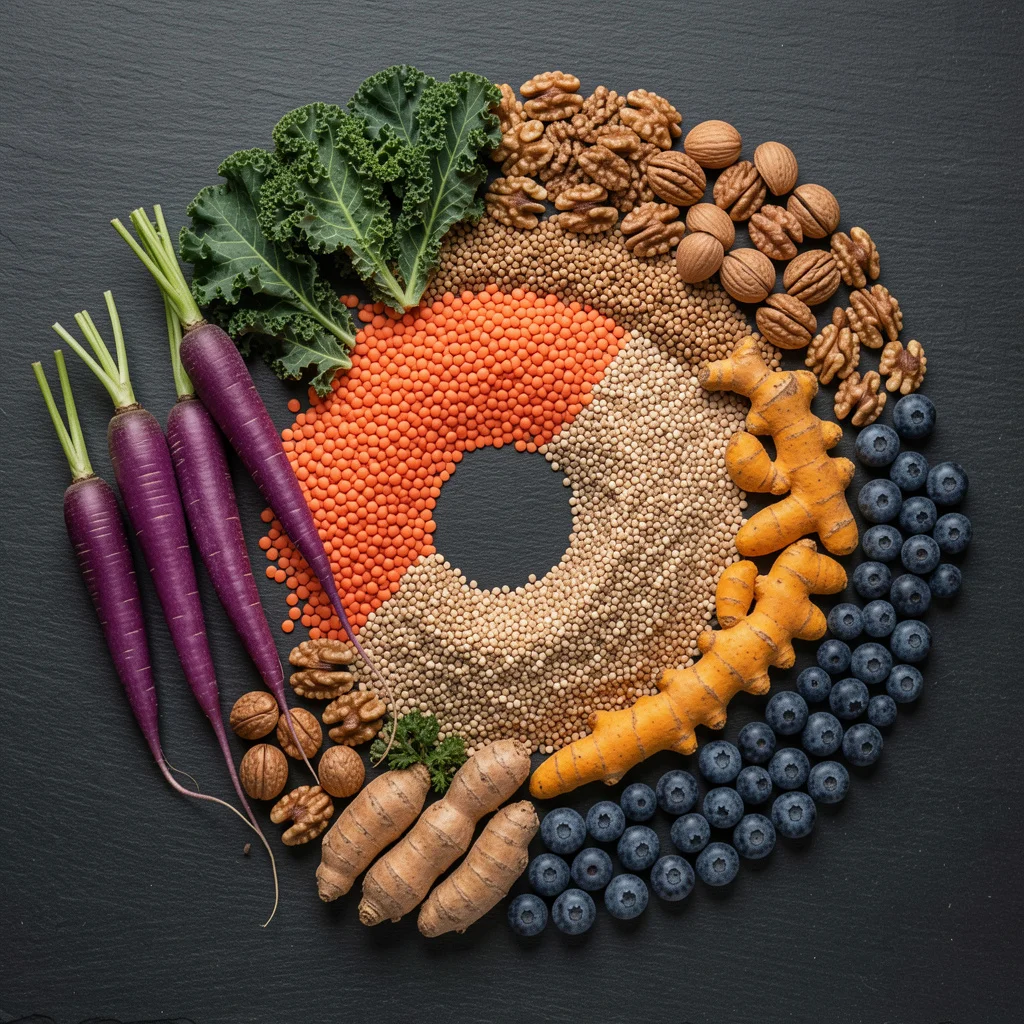
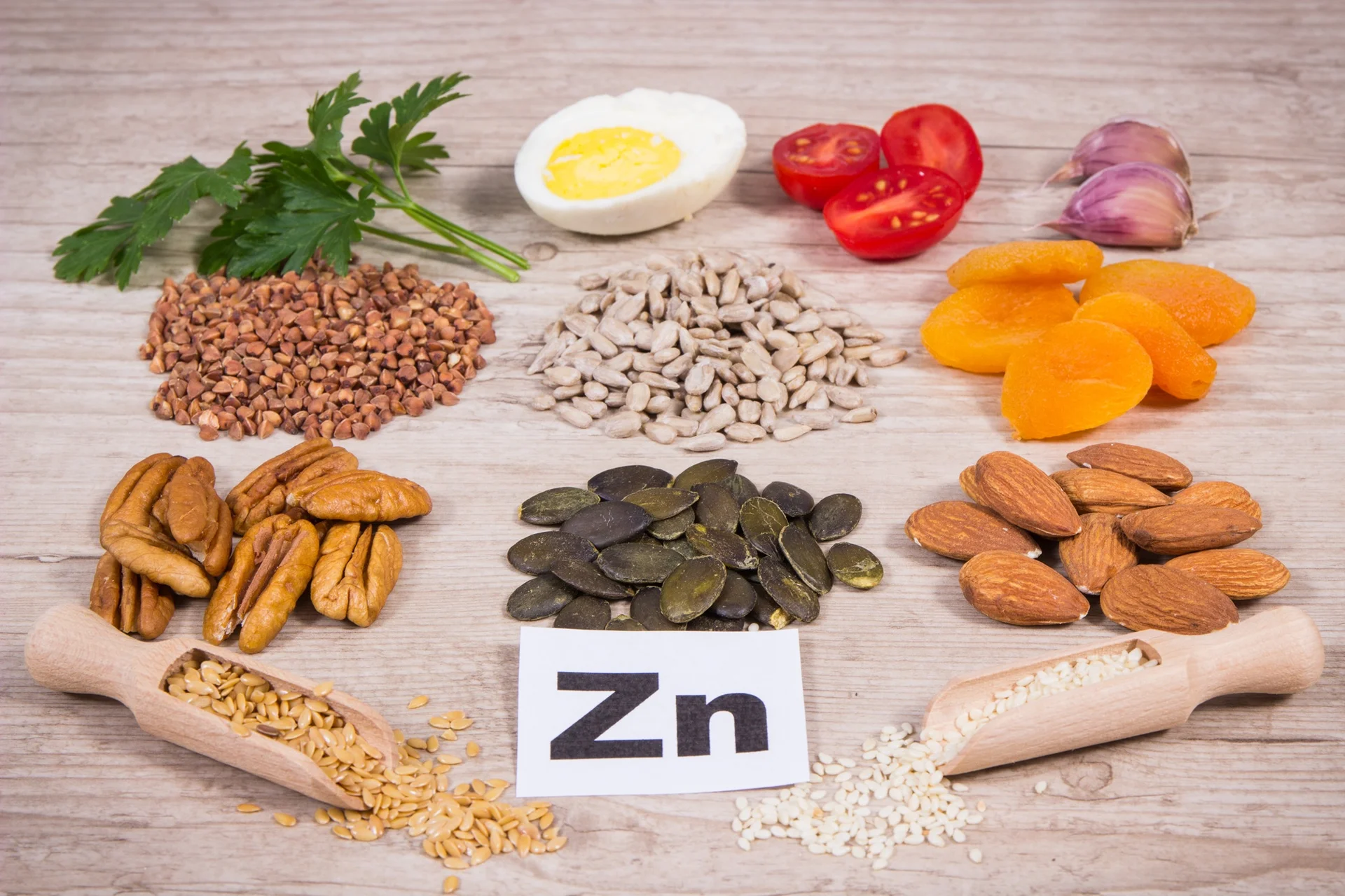
Zinc is widely found in both animal and plant foods; however, animal-based sources offers higher bioavailability.
Animal-based sources:
- Oysters (highest source)
- Beef, lamb, pork
- Chicken and turkey
- Crab, lobster, shrimp
- Dairy products (milk, cheese, yogurt)
Plant-based sources:
- Legumes (chickpeas, lentils, beans)
- Seeds (pumpkin, sunflower, hemp)
- Nuts (cashews, almonds)
- Whole grains (brown rice, oats, quinoa)
- Fortified cereals
Phytates in plant foods can inhibit zinc absorption, so vegetarians may need to consume more zinc or consider supplementation.
Zinc Supplements
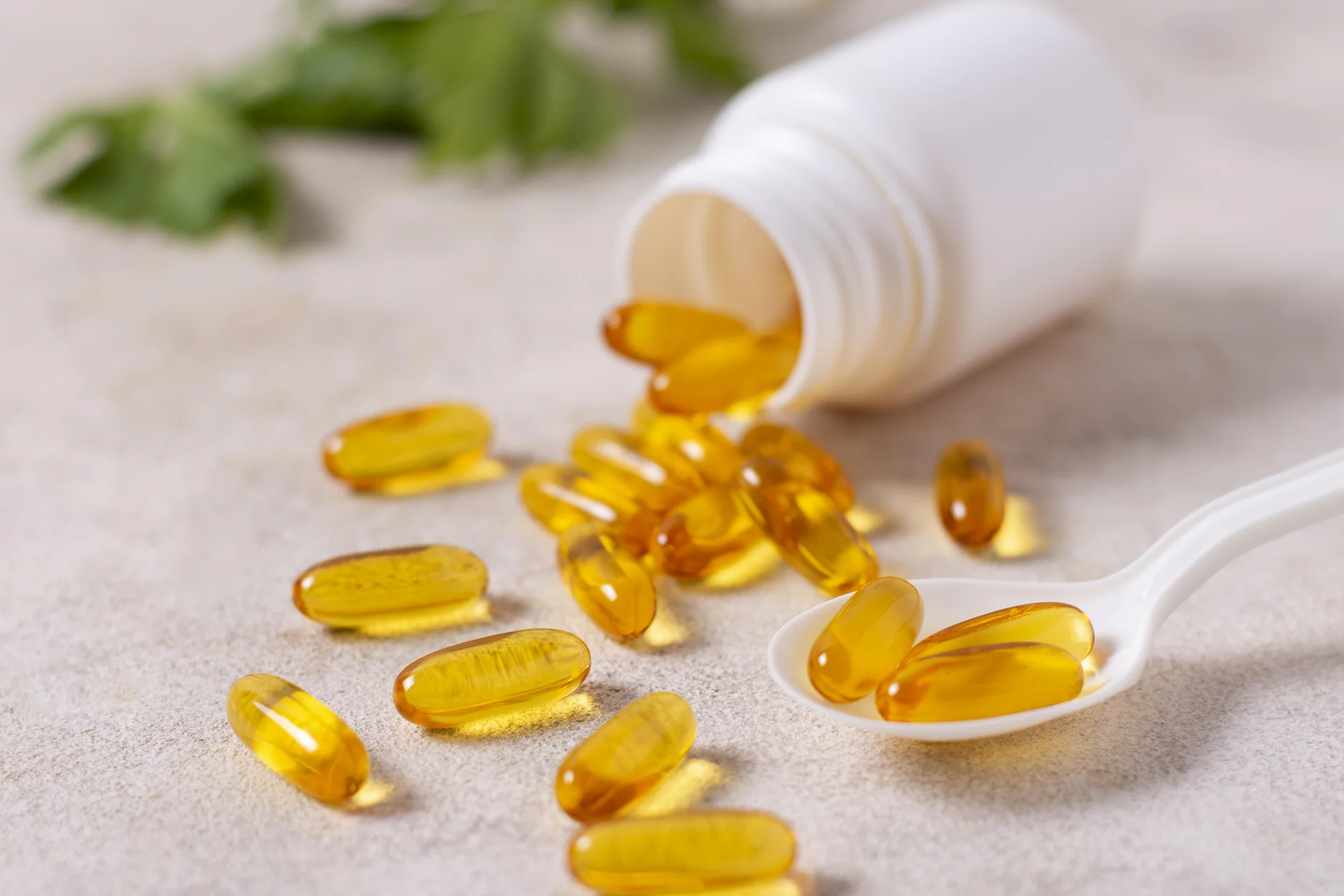
There are many forms of zinc supplements, such as zinc gluconate, zinc acetate, zinc citrate, and zinc sulfate. Zinc citrate and gluconate are better absorbed by the body than zinc oxide. Supplements are typically used to:
- Prevent or treat deficiency of zinc
- Shorten the duration of colds
- Supports immune function when sick or stressed
- Accelerate wound healing in clinical use
Note: Always consult with a healthcare professional prior to using supplements.
Zinc Toxicity and Overdose
While zinc is essential for health, excessive intake can be harmful. Acute toxicity typically results from over-supplementation and includes symptoms like:
- Nausea and vomiting
- Diarrhea
- Abdominal pain
- Headaches
Chronic high intake (>40 mg/day) can:
- Interfere with copper absorption
- Weaken immune function
- Lower HDL ("good") cholesterol
- Extreme overdose can lead to neurological issues and copper-deficiency anemia.
Interactions with Medications
Zinc can interact with several medications:
Antibiotics: Zinc can reduce the absorption of tetracycline and quinolone antibiotics. To minimize interaction, take antibiotics at least 2 hours before or 4–6 hours after zinc.
Penicillamine (used for rheumatoid arthritis and Wilson’s disease): Zinc may reduce the absorption of this drug. It’s recommended to take zinc and penicillamine at least one hour apart.
Berner LA, et al. "Fortified foods are major contributors to nutrient intakes in diets of US children and adolescents." Journal of the Academy of Nutrition and Dietetics. (2014).
Brnic M, et al. "Zinc absorption by adults is similar from intrinsically labeled zinc-biofortified rice and from rice fortified with labeled zinc sulfate." Journal of Nutrition. (2016).
Hennigar SR, et al. "Serum Zinc Concentrations in the US population are related to sex, age, and time of blood draw but not dietary or supplemental zinc." Journal of Nutrition. (2018).
Huth PJ, et al. "Major food sources of calories, added sugars, and saturated fat and their contribution to essential nutrient intakes in the U.S. diet." Nutrition Journal. (2013).
Institute of Medicine. "Dietary Reference Intakes for Vitamin A, Vitamin K, Arsenic, Boron, Chromium, Copper, Iodine, Iron, Manganese, Molybdenum, Nickel, Silicon, Vanadium, and Zinc." National Academy Press. (2001).
King JC, et al. "Zinc." In: Modern Nutrition in Health and Disease. 11th ed. Lippincott Williams & Wilkins. (2014).
King JC, et al. "Biomarkers of Nutrition for Development (BOND)–Zinc Review." Journal of Nutrition. (2016).
MacDonald RS. "The Role of Zinc in Growth and Cell Proliferation." Journal of Nutrition. (2000).
Nagraj SK, et al. "Interventions for the managing taste disturbances." Cochrane Database of Systematic Reviews. (2017).
Office of Dietary Supplements. "Dietary Supplement Label Database." National Institutes of Health. (2021).
Ryu M-S, et al. "Zinc." In: Present Knowledge in Nutrition. 11th ed. Wiley-Blackwell. (2020).
U.S. Department of Agriculture. "FoodData Central." U.S. Department of Agriculture. (2022).
U.S. Food and Drug Administration. "Food Labeling: Revision of the Nutrition and Supplement Facts Labels and Serving Sizes of Foods..." Federal Register. (2017).