




Is melatonin dangerous?
MELATONIN & SLEEP: SCIENCE-BACKED, PLAIN-LANGUAGE GUIDE
“Safe for many, risky for some—context matters.”
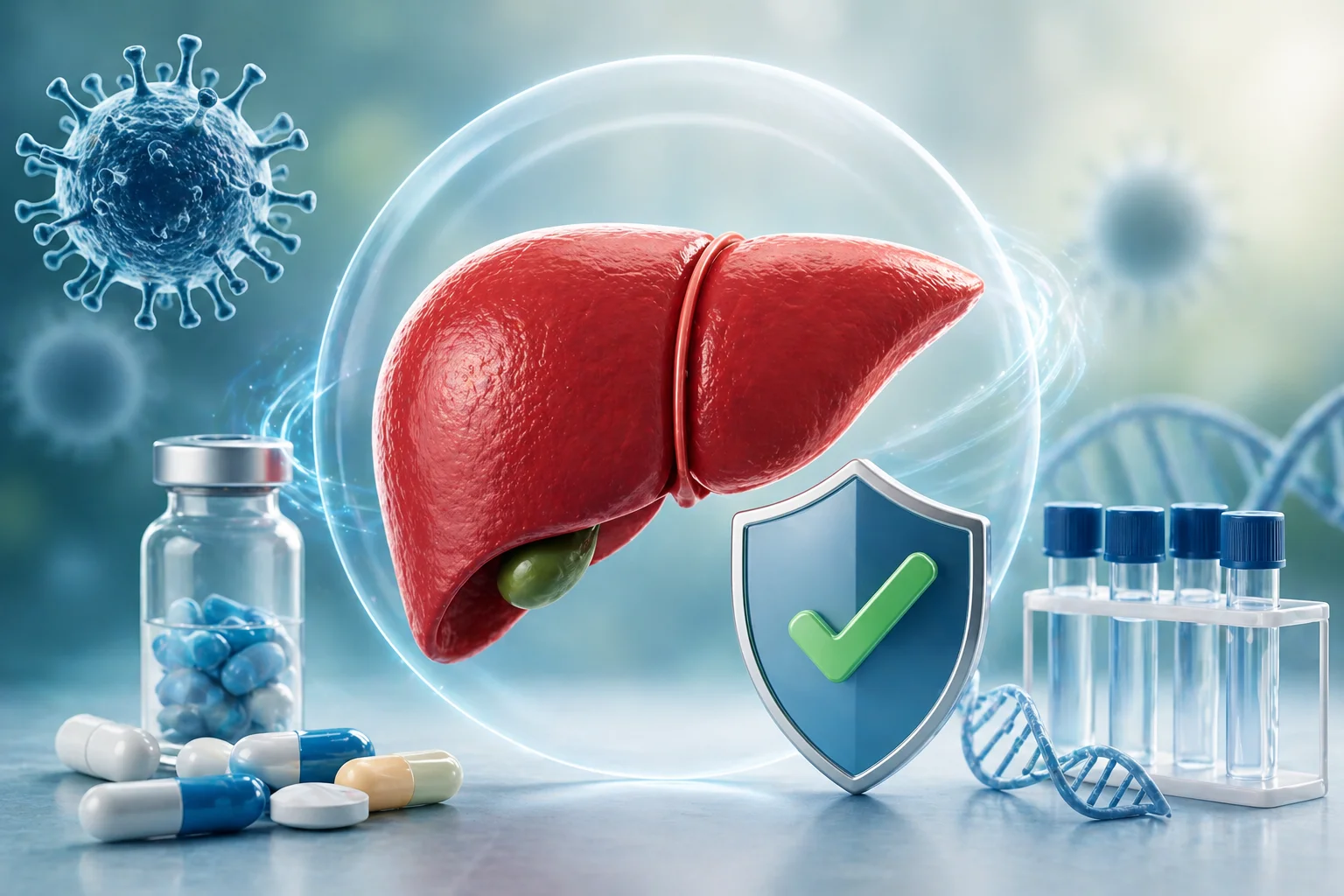
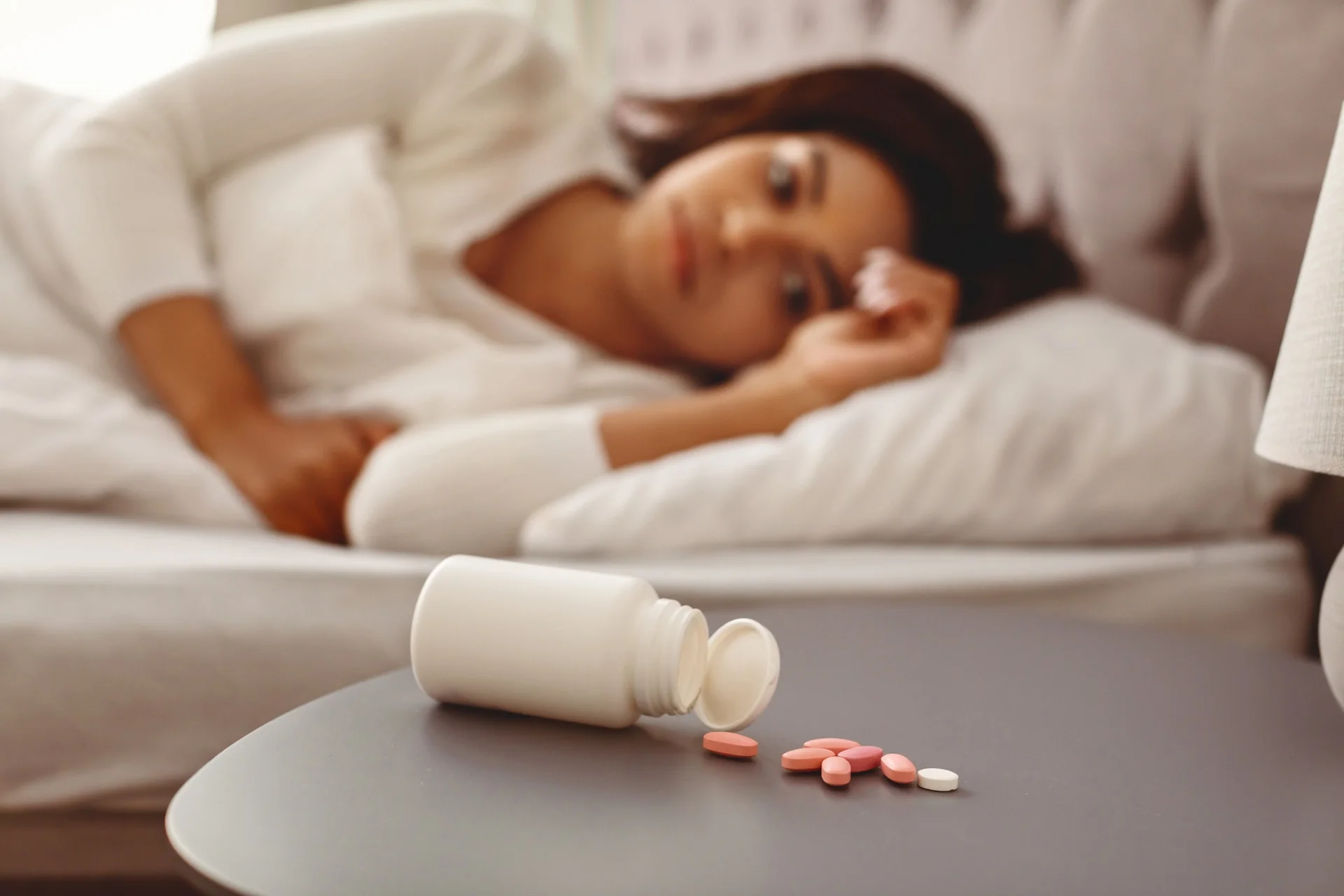
Melatonin is generally considered safe for short-term use in many adults when properly timed. But “danger” depends on product quality, dose, drug interactions, and individual health status. Side effects are often mild: headaches, nausea, morning grogginess, and vivid dreams. Still, caution is warranted with anticoagulants, sedatives, certain antiseizure medications, and immunosuppressive therapies.
Supplement quality can vary, and label-to-content mismatch has been reported in some markets—so choosing reputable manufacturers matters. In children and adolescents, medical supervision is important, especially for longer-term use, with monitoring for daytime function and overall well-being.
If you have symptoms suggestive of sleep apnea, severe mood disorders (including mania/hypomania), epilepsy history, or complex medical conditions, “Is it dangerous?” must be individualized clinically. In short: melatonin is a relatively low-risk tool for many, but not universally safe for everyone at any dose and time.