



What can you drink to sleep better at night?
MELATONIN & SLEEP: SCIENCE-BACKED, PLAIN-LANGUAGE GUIDE
“Choose drinks that calm the nervous system without fragmenting sleep.”
When choosing a bedtime drink, aim to promote relaxation without triggering awakenings. For many people, warm water or caffeine-free herbal tea (e.g., chamomile) is a safe option. But “herbal” isn’t automatically harmless: mint may worsen reflux; strongly diuretic teas can increase nighttime bathroom trips.
Milk-based drinks can be soothing for some, but may backfire with lactose intolerance or reflux. Alcohol can make you feel sleepy yet disrupts sleep architecture and increases awakenings. Caffeinated and high-sugar drinks also reduce sleep quality.
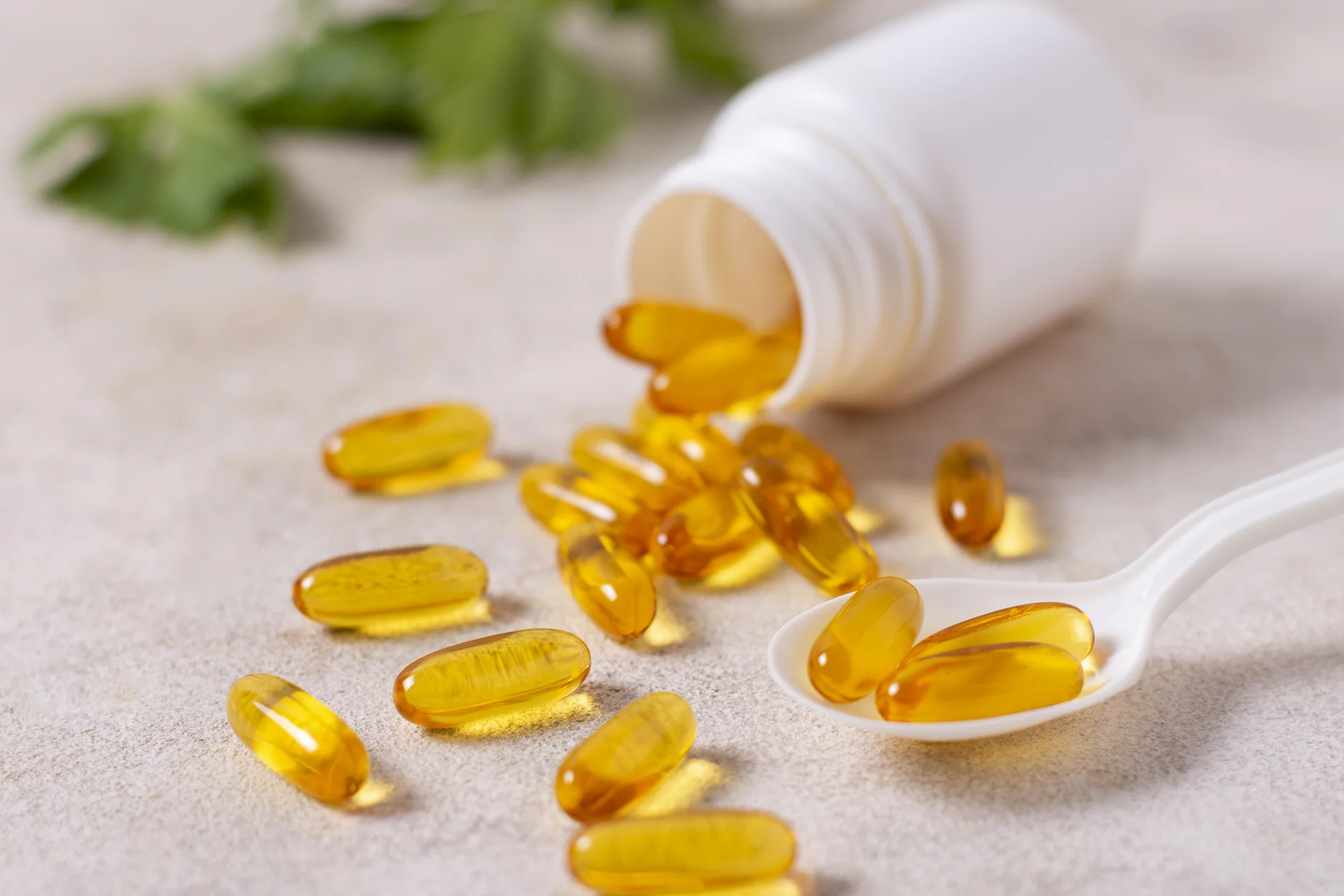
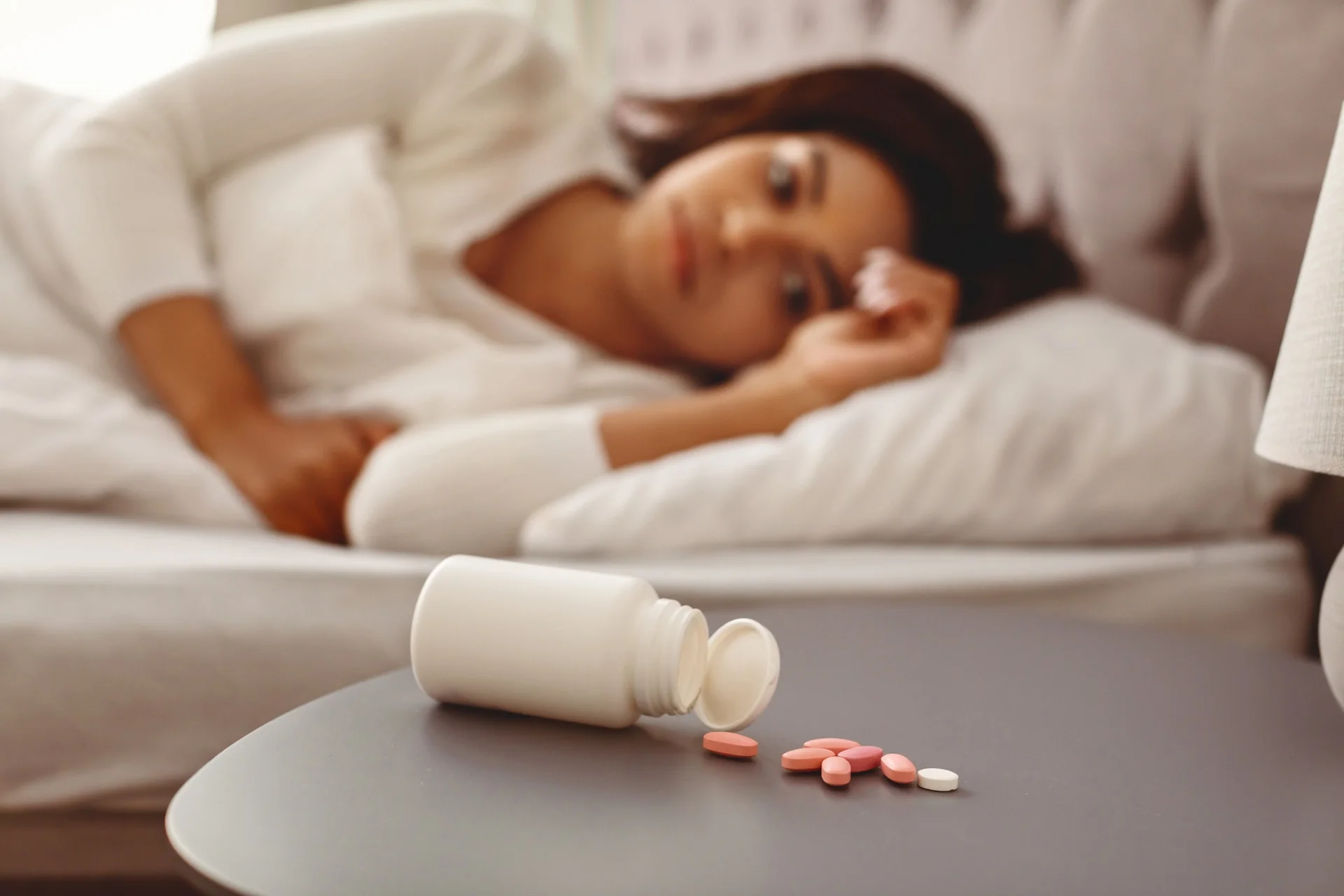
If considering melatonin, treat it as a timed circadian tool rather than a casual beverage. Many people do better taking it 30–120 minutes before bed depending on the target and individual response. Best results often come from combining dim evening light, a warm shower, a calming routine, and an appropriate drink. Persistent sleep problems warrant medical evaluation.