





What happens if someone who does not work out uses protein powder?
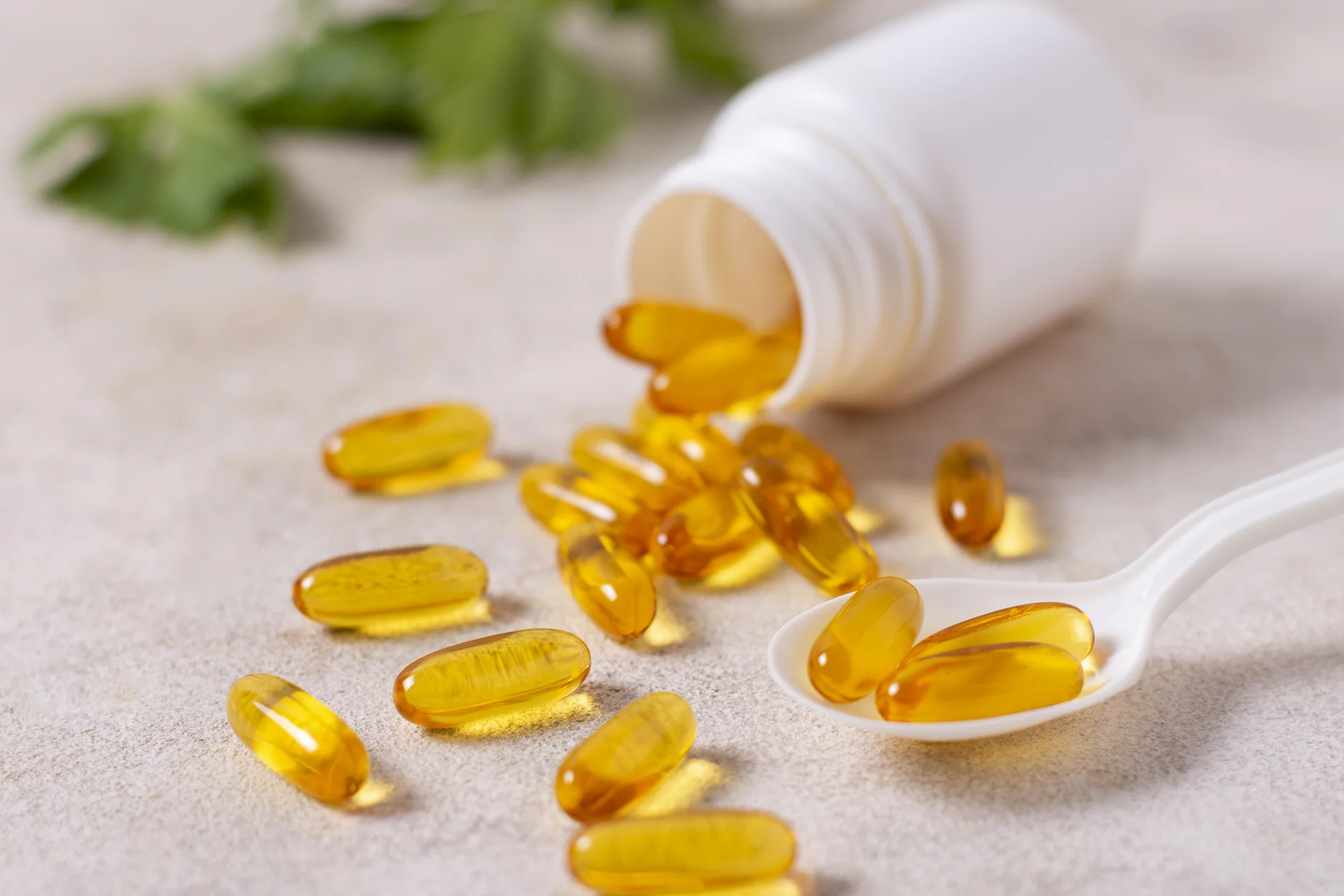
If you do not exercise, using protein powder will not create a “magic” result. It remains a food-based tool to help meet daily protein needs. If your diet is low in protein due to appetite, schedule constraints, or limited food choices, a protein shake can help close the gap and support satiety and maintenance of lean tissue over time. But extra protein does not automatically turn into muscle without a training stimulus, and excess calories—regardless of source—can lead to weight gain. In non-exercisers, the goal should be supplementation, not expectation: use it only to cover a real protein shortfall while keeping total calories and food quality in check. Ingredient quality matters; high-sugar blends or unnecessary additives may work against health goals. People with kidney disease, liver disease, or special medical diets should consult a clinician before making protein powder a routine habit.