





What Happens If I Take Vitamin C Every Day? Is Supplementation Worth It?
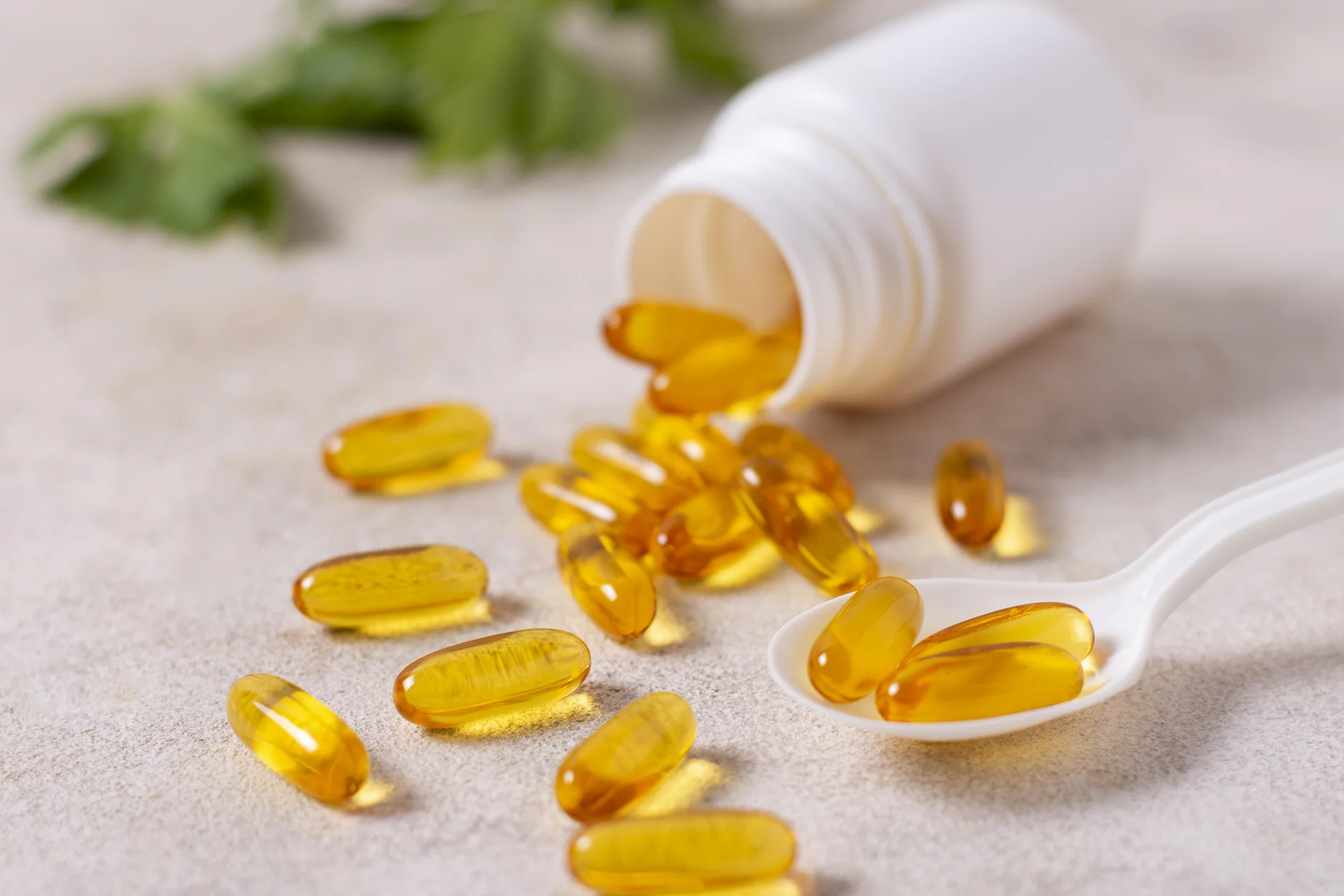
Daily vitamin C intake can mean two different things: (1) consistently getting it from foods, or (2) taking high-dose supplements. Regular intake from foods is generally safe and beneficial because fruits and vegetables also provide fiber, polyphenols, and other micronutrients. In contrast, high-dose supplementation “just in case” does not always translate into additional benefits.\n\nVitamin C is water-soluble and some excess is excreted in urine. That does not automatically mean “risk-free.” High doses may cause gastrointestinal upset (nausea, cramps, diarrhea) in some people. Those prone to kidney stones may need extra caution with prolonged high-dose use. Vitamin C can also interfere with certain lab tests in specific contexts.\n\nWho might consider supplements? People with low dietary intake, limited access to fresh produce, certain malabsorption issues, or specific clinical situations under medical guidance. Bottom line: prioritize food first. If supplementation is needed, aim for a dose that corrects insufficiency rather than chasing very high doses.