






What Is Vitamin C and What Does It Do? (Immunity, Collagen, Antioxidant Role)
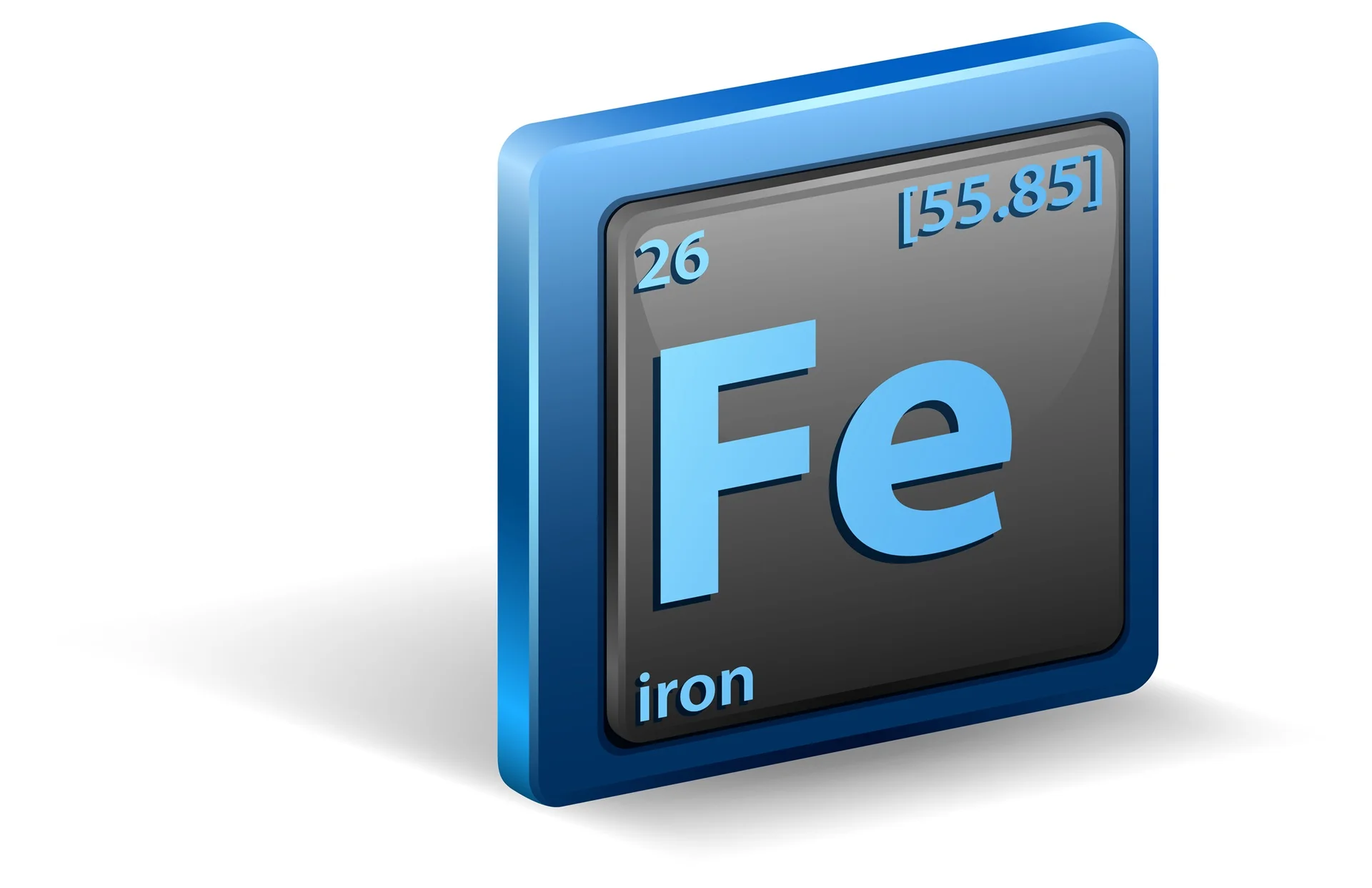
Vitamin C (ascorbic acid) is an essential nutrient that the body cannot synthesize, so it must be obtained regularly from foods. Its most prominent role is supporting collagen formation, which is fundamental for skin, gums, blood vessels, cartilage, and wound healing. Vitamin C also acts as a potent antioxidant, helping protect cells against oxidative stress and supporting normal immune cell functions. Another practical benefit is enhanced iron absorption—especially non-heme iron from plant foods.\n\nMany people associate vitamin C with “not getting sick.” The evidence does not support vitamin C as a guaranteed shield against colds; however, in some individuals it may modestly shorten cold duration or reduce symptom severity. Benefits are more consistently observed with regular intake and in people exposed to intense physical stress. The most effective strategy is to treat vitamin C not as a single supplement solution but as part of a produce-rich dietary pattern. In short, vitamin C sits at a strategic intersection of immune support, collagen metabolism, and antioxidant protection.