





Why Is Detox So Popular?
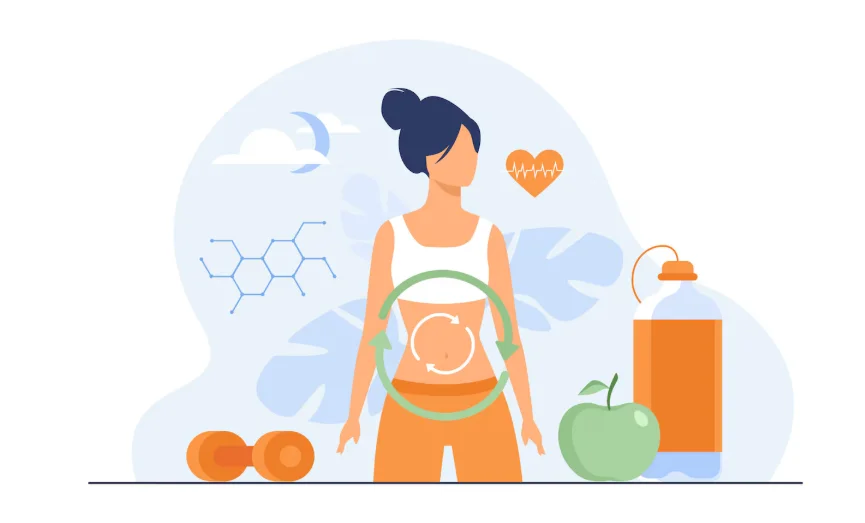
In recent years, the concept of detox has gained increasing attention alongside healthy lifestyle trends. Detox programs promising rapid weight loss, narratives centered on “cleansing,” and detox practices frequently shared on social media have significantly contributed to its popularity. The intense pace of modern life, combined with stress, high consumption of processed foods, and environmental exposures, drives individuals to seek solutions that make them feel “cleaner” and “lighter.”
However, the growing popularity of detox has also caused the concept to drift away from its scientific foundation and become, in many cases, a commercial marketing tool. Therefore, understanding not only what detox is, but also what it is not, is essential.
What Is Detox?
From a scientific perspective, detox refers to the process by which the body metabolizes potentially harmful or toxic substances, neutralizes them, and eliminates them from the body. This process is carried out through the coordinated function of organs such as the liver, kidneys, intestines, lungs, and skin, and represents a lifelong physiological mechanism (Klein & Kiat, 2015; WHO, 2023). In healthy individuals, these systems operate continuously without the need for special diets or short-term interventions. Therefore, detox should not be viewed as a time-limited practice but rather as the support of the body’s inherent capacity.
What Detox Is Not
The Body’s Natural Detoxification System
(The Body Already Detoxifies Itself)
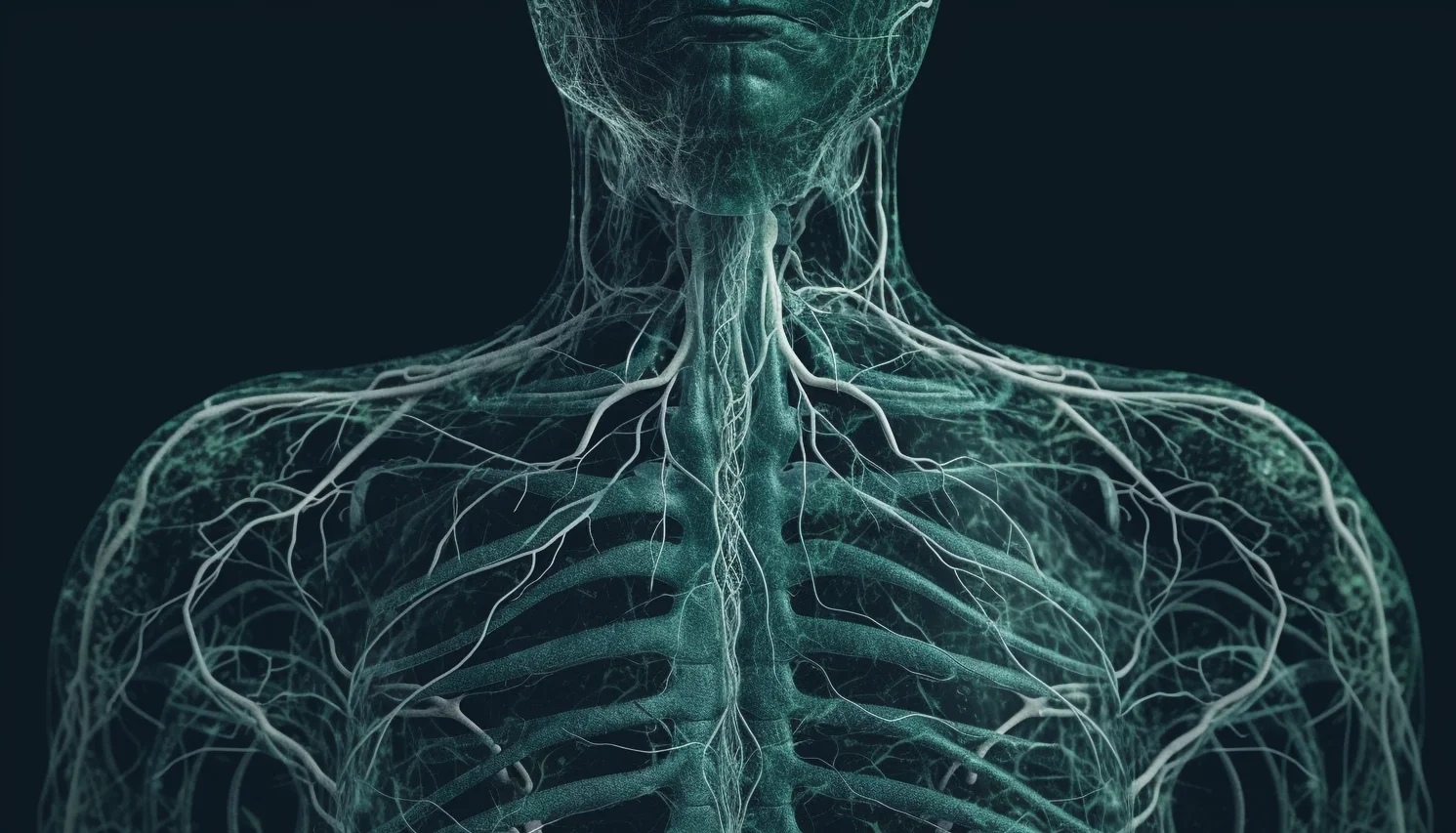
The human body possesses highly developed mechanisms to cope with toxins. The liver converts toxins into less harmful compounds that can be excreted via bile or urine. The kidneys filter water-soluble waste products, while the intestines play a crucial role in eliminating undigested and harmful substances through feces. The lungs and skin also contribute to this process.
The effective functioning of these systems is closely related to adequate nutrient intake, hydration, sleep quality, and overall lifestyle. Supporting the body’s detox capacity therefore means supporting these systems.
What Are Environmental Toxins?
Environmental toxins are chemical or physical substances to which individuals are exposed in daily life, often unknowingly, and which may accumulate in the body and negatively affect health. This group includes heavy metals, pesticides, air pollutants, and endocrine-disrupting chemicals (EFSA, 2020; CDC, 2022). Endocrine disruptors, in particular, have been shown to interfere with hormonal balance and are associated with metabolic disorders, reproductive health issues, and immune dysfunction (Heindel et al., 2017). Their effects are typically cumulative, resulting from long-term, low-dose exposure rather than acute toxicity.
Where Do They Come From in Daily Life?
Plastic packaging
Certain chemicals can migrate from plastic packaging into food and may adversely affect the hormonal system.
Cleaning products
Volatile chemicals in household cleaning products may enter the body through inhalation.
Cosmetics and personal care products
Ingredients such as parabens and synthetic fragrances can be absorbed through the skin.
Processed foods
Additives, preservatives, and highly processed ingredients can increase the body’s toxic burden.
Air pollution
Urban air pollution represents a significant source of environmental exposure.
Stress and irregular lifestyle
Chronic stress and irregular habits indirectly impair the effectiveness of detoxification systems.
All of these factors place an additional burden on the body’s detox mechanisms.
How Do Environmental Toxins Affect the Body?
Long-term exposure to toxins has been associated with increased oxidative stress, inflammation, hormonal imbalances, and metabolic disturbances. These effects may contribute to weakened immune function, reduced energy levels, and an increased risk of chronic disease.
Real Detox: A Lifestyle Approach
Contemporary scientific perspectives define “real detox” not as externally forcing the body to cleanse itself, but as a holistic lifestyle approach aimed at preserving and supporting the functionality of the body’s existing detoxification systems. The human body has evolved highly efficient mechanisms—primarily involving the liver and kidneys—to neutralize and eliminate toxic substances. These systems operate continuously in healthy individuals and do not require activation through special interventions (WHO, 2023).
However, modern lifestyle factors—such as high consumption of processed foods, inadequate fiber intake, chronic stress, sleep disturbances, and physical inactivity—place a substantial burden on these natural processes. Research indicates that chronic stress and insufficient sleep may negatively affect liver metabolism and kidney function, thereby indirectly reducing detoxification capacity (Trevisan et al., 2022). Thus, real detox focuses not on “removing toxins,” but on enhancing the body’s ability to cope with them.
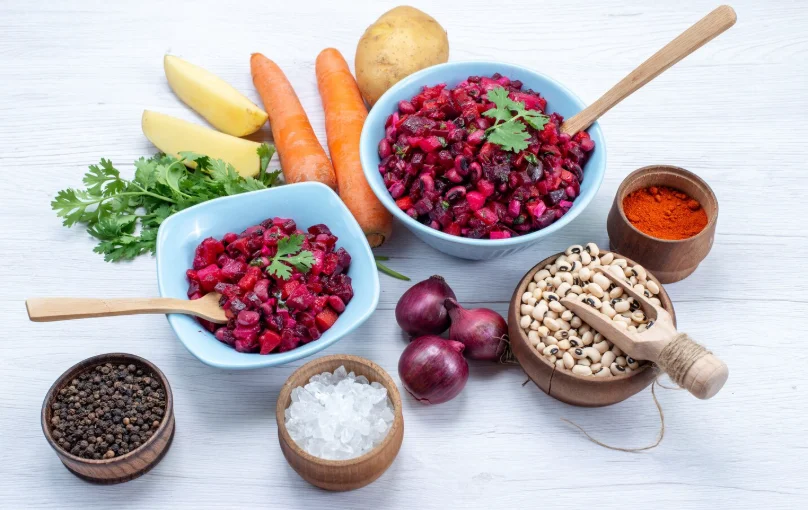
Nutrition plays a central role in this context. Adequate and balanced protein intake is essential for enzymatic detoxification reactions in the liver, while a fiber-rich diet supports gut health and promotes toxin elimination via feces. Diets rich in antioxidant compounds help mitigate oxidative stress caused by environmental toxins (Halliwell & Gutteridge, 2015). Therefore, a “detox-friendly diet” is not about superfoods or short-term cleanses, but about sustainable, diverse, and minimally processed food choices.
Other lifestyle components are equally important. Regular physical activity supports circulation and the transport of metabolic waste products, while quality sleep provides a critical window for cellular repair. Stress management is an indispensable element of real detox, as chronic stress disrupts hormonal balance and inflammatory control (WHO, 2023).
In this framework, real detox is not a restrictive or temporary practice, but a long-term lifestyle strategy that supports metabolic health, reduces inflammation, and enhances the body’s adaptive capacity. Scientific evidence shows that this approach not only reduces toxic burden but also lowers chronic disease risk and supports healthy aging (Trevisan et al., 2022).
Supporting Detox Through Nutrition
The body’s detoxification capacity depends not on a single food or short-term practice, but on the overall quality of daily dietary habits. Current scientific evidence highlights the central role of diets rich in fiber, protein, and antioxidants in supporting natural detox systems.
Fiber intake is closely linked to gut health, a critical component of detoxification. Dietary fiber regulates bowel movements and prevents prolonged intestinal retention of toxins and metabolic waste. Fermentation of fiber produces short-chain fatty acids that strengthen the gut barrier and limit toxin absorption into the bloodstream (EFSA, 2020; Trevisan et al., 2022).
Antioxidant-rich foods play a vital role in combating oxidative stress, a key mechanism of toxin-induced cellular damage. Vegetables, fruits, whole grains, and plant-based bioactive compounds help neutralize free radicals and indirectly support cellular detox processes (Halliwell & Gutteridge, 2015). In this sense, the “eat the rainbow” approach is both aesthetically and biochemically meaningful.
Protein intake is often overlooked in detox discussions, yet it is essential for liver function. Many detoxification enzymes require amino acids, and insufficient protein intake may impair these processes (Klein & Kiat, 2015). Thus, real detox emphasizes adequate and balanced protein consumption rather than restrictive diets.
Overall, diversity is the cornerstone of detox-supportive nutrition. Restrictive or highly processed diets may burden detox systems through nutrient deficiencies, whereas varied, minimally processed diets reduce toxin exposure and enhance the body’s resilience (WHO, 2023).
The Relationship Between Longevity and Detox
The concept of longevity focuses on reducing physiological burden and limiting cellular damage to support long-term health. Reducing toxin exposure, controlling inflammation, and maintaining metabolic health are directly linked to healthy aging. From this perspective, real detox is an integral component of longevity.
Longevity emphasizes not merely extending lifespan, but preserving physical and cognitive function over time. Environmental toxins and unhealthy lifestyle habits may increase oxidative stress and impair cellular repair mechanisms, accelerating aging and increasing chronic disease risk. Real detox aims to minimize these burdens and support the body’s inherent repair capacity.
Thus, detox should be viewed not as a short-term cleansing practice, but as a sustainable lifestyle strategy encompassing healthy nutrition, adequate sleep, regular movement, and effective stress management. Real detox is an investment not only in present well-being but also in future health.
Small but Effective Lifestyle Changes
Real detox is not a single major decision, but the sum of small, repeated daily habits:
Reducing processed food intake
Processed foods contain additives and chemicals that burden detox systems. Choosing minimally processed foods is one of the simplest ways to reduce toxic load (EFSA, 2020).
Reducing plastic use
Chemicals from plastic containers may migrate into food and act as endocrine disruptors. Choosing glass, steel, or ceramic alternatives can reduce long-term exposure (Heindel et al., 2017).
Establishing regular sleep habits
Sleep is critical for metabolic regulation and cellular repair. Poor sleep increases inflammation and metabolic strain (WHO, 2023).
Increasing daily movement
Physical activity supports circulation and lymphatic flow, facilitating waste removal. Even short daily walks can be beneficial (Trevisan et al., 2022).
Prioritizing stress management
Chronic stress disrupts hormonal balance and immune function. Relaxation techniques and time in nature are key elements of real detox (Fontana & Partridge, 2015).
Small steps, when combined, create meaningful reductions in detox burden.
Common Misconceptions: Detox Is a Product
Popular detox practices are often marketed through short-term diets, special drinks, or commercial products claiming to “remove toxins.” However, scientific evidence does not support these claims. Reviews consistently show a lack of solid clinical evidence that detox diets enhance toxin elimination; observed benefits are largely due to caloric restriction and temporary dietary changes (Klein & Kiat, 2015).
The human body already possesses sophisticated systems—primarily the liver and kidneys—that continuously process and eliminate waste products. These systems function around the clock without the need for special cleansing interventions (WHO, 2023).
Experts also note that short-term weight or water loss observed with detox programs is mainly due to reduced intake of processed foods and added sugars, not true toxin elimination. Therefore, real detox is not a product or quick fix, but a sustainable lifestyle that supports the body’s natural systems.
Summary & Key Message
Real detox is not found in miracle products, short-term cleanses, or extreme restrictions. It begins with recognizing and gradually reducing habits that unnecessarily burden the body. Balanced nutrition, adequate sleep, regular physical activity, stress management, and reduced exposure to environmental toxins are the most effective and evidence-based ways to support the body’s natural detox systems.
In this approach, detox is not a goal, but a natural outcome of a healthy lifestyle. Small, conscious daily choices offer far more than a temporary sense of “cleansing”—they provide sustainable health, physiological balance, and a higher quality of life in the long term.
Real detox is not about forcing the body; it is about not burdening it.
And perhaps the best detox begins with a small but intentional step taken today.
References
Centers for Disease Control and Prevention (CDC). (2022). Environmental chemicals and human health.
https://www.cdc.gov/environmental-health
EFSA Panel on Dietetic Products, Nutrition and Allergies. (2020). Dietary reference values for fibre. EFSA Journal, 18(1), e05946.
https://doi.org/10.2903/j.efsa.2020.5946
Fontana, L., & Partridge, L. (2015). Promoting health and longevity through diet: From model organisms to humans. Cell, 161(1), 106–118.
https://doi.org/10.1016/j.cell.2015.02.020
Halliwell, B., & Gutteridge, J. M. C. (2015). Free radicals in biology and medicine (5th ed.). Oxford University Press.
Heindel, J. J., et al. (2017). Metabolism disrupting chemicals and metabolic disorders. Reproductive Toxicology, 68, 3–33.
https://doi.org/10.1016/j.reprotox.2016.10.001
Klein, A. V., & Kiat, H. (2015). Detox diets for toxin elimination and weight management: A critical review of the evidence. Journal of Human Nutrition and Dietetics, 28(6), 675–686.
https://doi.org/10.1111/jhn.12286
Trevisan, M., et al. (2022). Lifestyle factors, inflammation, and metabolic health. Nutrients, 14(4), 845.
https://doi.org/10.3390/nu14040845
World Health Organization (WHO). (2023). Preventing disease through healthy environments: Chemicals of major public health concern.
https://www.who.int