





How Many Calories Are in Watermelon?
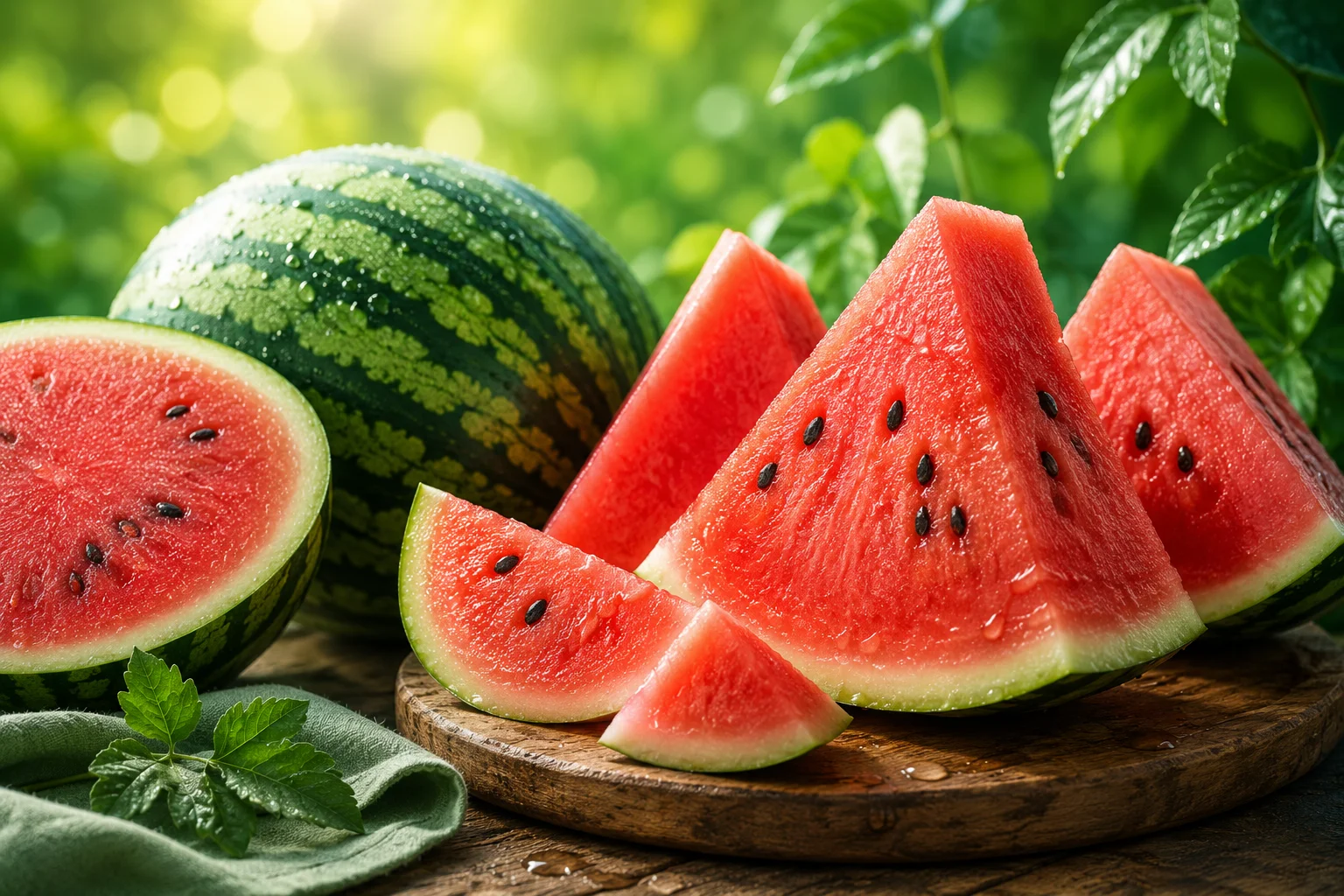
Watermelon is one of the most preferred summer fruits because of its high water content and low energy density. On average, 100 grams of watermelon contains about 30 calories, which makes it a low-calorie fruit option. However, portion size is the decisive factor because even a light fruit can contribute more calories and sugar when consumed in large amounts.
A thin slice of watermelon and a large plate of watermelon do not have the same calorie value. For people managing weight, the most strategic approach is portion control. Instead of treating watermelon as a full meal replacement, it is usually more balanced to consume it as a controlled snack within a broader dietary plan.
Can You Eat Watermelon on a Diet?
Watermelon can be consumed during a diet, but quantity and timing must be planned correctly. Since watermelon is mostly water, it may support satiety and serve as a low-calorie snack alternative. However, because it contains natural sugars, unlimited consumption is not appropriate. The best strategy for people on a diet is to consume watermelon in controlled portions and, when possible, pair it with foods that provide protein or fiber.
For example, eating watermelon with yogurt, cheese, or a few walnuts may help reduce blood sugar fluctuations. Watermelon is not a fat-burning food on its own, but when consumed within a proper calorie balance, it does not necessarily disrupt weight management.
Is Watermelon High in Fiber?
Watermelon is not considered a high-fiber fruit. Although it has a very high water content, its fiber content is lower compared with fruits such as apples, pears, berries, or fiber-rich foods like legumes. Therefore, it would not be accurate to define watermelon as a major fiber source. Still, the small amount of fiber it contains may support digestion when combined with its water content.
People who want to increase fiber intake should not rely on watermelon alone. Vegetables, whole grains, legumes, nuts, seeds, and fruits eaten with their skins are stronger sources of dietary fiber. Watermelon can be a refreshing and low-calorie part of this system, but it is not the foundation of a high-fiber nutrition strategy.
Is Watermelon High in Sugar?
Watermelon contains natural sugar, but because its calorie value per 100 grams is relatively low, moderate consumption is generally not a problem for most healthy individuals. The key issue is portion size. A small serving of watermelon and a large bowl of watermelon do not create the same sugar load. Portion control becomes especially important for people with insulin resistance, diabetes, or blood sugar fluctuations.
Although watermelon is often considered to have a high glycemic index, its glycemic load depends strongly on how much is eaten. Pairing watermelon with a balanced snack that includes protein or healthy fats may support a more stable blood sugar response. Because of its sugar content, unlimited intake is not recommended.
How Many Calories Are in One Slice of Watermelon?
The calorie content of one slice of watermelon depends on the size of the slice. A thin slice weighing around 150 grams contains approximately 45 calories. A larger and thicker slice may reach 80 to 100 calories. Therefore, the phrase “one slice” is not always a precise measurement. For people following a diet plan, grams or standardized serving sizes provide a more accurate evaluation.
In practical terms, one or two thin slices of watermelon can be a reasonable snack for many people. However, large portions increase both calorie and natural sugar intake. Eating very large portions late at night may also cause digestive discomfort or blood sugar fluctuations in some individuals.
Does Watermelon Help Reduce Water Retention?
Because of its high water content, watermelon may contribute to daily fluid intake and help some people feel lighter. Its potassium content may also support sodium balance, which is why watermelon is commonly perceived as a food that helps reduce water retention. However, edema can be related to many factors, including kidney function, heart health, hormones, medications, or high salt intake.
Watermelon is not a medical treatment for edema. In mild cases of fluid retention, it may be supportive when combined with a healthy diet, salt control, adequate hydration, and regular movement. If swelling is persistent or significant, the underlying cause should be evaluated by a healthcare professional rather than relying on watermelon alone.
Does Watermelon Burn Fat?
Watermelon does not directly burn body fat. No fruit can melt fat on its own. Fat loss occurs through a calorie deficit, regular physical activity, adequate protein intake, quality sleep, and metabolic balance. Since watermelon is low in calories and high in water, it can fit into a weight-loss plan when consumed in appropriate portions.
However, treating watermelon as a “fat-burning” food creates an inaccurate expectation. Excessive intake may increase natural sugar and calorie consumption. The most effective use is to include watermelon as a refreshing snack or as a lower-calorie alternative when managing sweet cravings during the summer.
Can You Eat Watermelon at Night?
Watermelon can be eaten at night, but portion size and individual digestive tolerance matter. Because watermelon has a high water content, consuming a large amount right before bed may increase the need to wake up for urination. Large portions may also cause stomach fullness, bloating, or blood sugar fluctuations in some people. If watermelon is eaten at night, a small portion is generally a better choice.
For people focused on dieting or blood sugar control, consuming watermelon as a daytime snack may be more practical. Eating a large plate late at night can also affect total daily calorie balance. A more strategic approach is to consume watermelon earlier in the day and in controlled portions.
Can Eating Too Much Watermelon Be Harmful?
Eating too much watermelon may cause digestive discomfort, bloating, stomach fullness, and blood sugar fluctuations in some individuals. Although watermelon is a low-calorie fruit, large amounts increase natural sugar intake and total calorie consumption. This is especially important for people with diabetes, insulin resistance, or weight management concerns.
Since watermelon is mostly water, very large portions may also create a sense of discomfort or excessive fullness. Moderate watermelon consumption is generally safe for healthy individuals, but being healthy does not mean it can be eaten without limits. Balance, dietary variety, and portion control should remain the core principles.
Does Watermelon Cause Weight Gain?
Watermelon does not cause weight gain on its own. Weight gain occurs when total calorie intake exceeds energy expenditure over time. Because watermelon is low in calories, it can fit well into a weight management plan when consumed in appropriate portions. However, large portions, especially when eaten in addition to regular meals, may increase total calorie intake.
The role of watermelon in weight management depends on how it is used. When chosen instead of desserts, packaged snacks, or sugary drinks, it can be a more favorable option. But uncontrolled consumption under the assumption that “it is just fruit” may disrupt dietary balance. The best strategy is to integrate watermelon into the daily nutrition plan with controlled serving sizes.