




What Are Stress and Anxiety? How Do They Affect the Body?
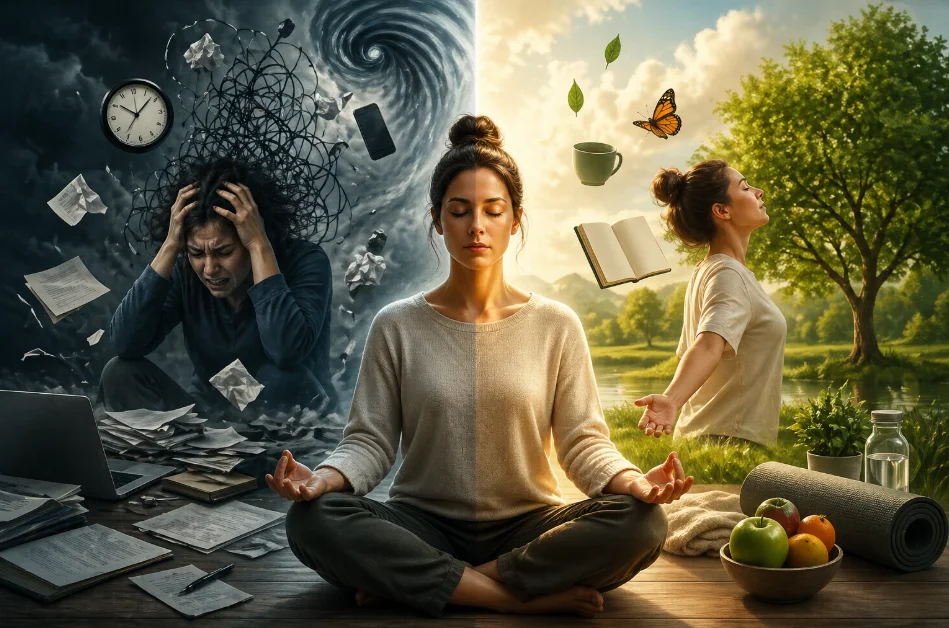
Stress and anxiety are among the most common psychological burdens of modern life. Stress is the body’s physiological response to threats, while anxiety is the prolonged and uncontrolled continuation of this response. Elevated cortisol and adrenaline levels over time negatively affect both mental and physical health.
Chronic stress weakens the immune system, disrupts sleep patterns, and places strain on the digestive system. It also leads to lack of focus, decreased motivation, and burnout. Therefore, stress is now recognized as a holistic health issue.
Balancing the Nervous System with Breathing Techniques
Proper breathing techniques are one of the fastest and most effective ways to manage stress. Deep breathing activates the parasympathetic nervous system, shifting the body out of fight-or-flight mode.
The 4-7-8 breathing method helps regulate heart rhythm and calm the mind. Even a few minutes of daily practice can significantly reduce stress levels and help control anxiety attacks.
Staying Present with Mindfulness
Mindfulness is the practice of consciously focusing on the present moment. It helps reduce mental burden by shifting attention away from past regrets and future worries.
Regular mindfulness practice lowers stress hormones and improves emotional resilience. Techniques like meditation and mindful walking can be easily integrated into daily life.
The Impact of Physical Activity on Stress
Regular exercise reduces stress hormones and increases endorphin levels, improving mood and energy.
Even light activities like walking or yoga provide mental relief. Outdoor activities are especially effective in reducing stress and improving sleep quality.
The Link Between Sleep and Anxiety
Sleep quality plays a critical role in stress management. Poor sleep increases anxiety and reduces cognitive performance.
Maintaining a consistent sleep schedule and reducing screen exposure can significantly improve mental health.
Nutrition and Mental Health
Diet has a direct impact on stress and anxiety levels. Nutrients like magnesium, omega-3, and B vitamins support the nervous system.
Processed foods and sugar can increase stress, while a balanced diet improves emotional stability.
Digital Detox and Mental Relaxation
Constant screen exposure increases mental fatigue. Digital detox allows the brain to rest and recover.
Taking breaks from devices improves focus and reduces stress.
Social Support and Emotional Sharing
Humans are social beings, and sharing emotions reduces stress. Talking to trusted individuals helps lighten mental burdens.
Social support is a key protective factor against anxiety.
Journaling to Clear the Mind
Writing down thoughts reduces mental clutter and improves emotional clarity.
Journaling helps manage stress and enhances self-awareness.
When Should You Seek Professional Help?
If stress and anxiety affect daily life, seeking professional help is essential.
Early intervention leads to better long-term mental health outcomes.