





What Is Turmeric and How Is It Different from Curcumin?
Turmeric is a yellow spice widely used in South Asian cuisine, and its primary active compound is curcumin. Curcumin is responsible for most of turmeric’s biological effects. However, turmeric contains only a small percentage of curcumin, so clinical benefits are usually associated with concentrated curcumin extracts.
Turmeric and curcumin are not the same. Turmeric refers to the whole plant, while curcumin is the active compound. This distinction is important for supplementation and effectiveness.
How Does Curcumin Work in the Body?
Curcumin is known for its anti-inflammatory and antioxidant properties. It can influence molecular pathways involved in inflammation. It may also help reduce oxidative stress.
Potential Health Benefits of Turmeric
Turmeric is studied for its effects on inflammation, immunity, and digestion. Some research suggests benefits for joint and metabolic health.
Anti-Inflammatory Effects of Curcumin
Curcumin may reduce inflammatory markers and support immune balance.
Turmeric and Digestive Health
Turmeric may support digestion and bile production.
Why Is Curcumin Bioavailability Low?
Curcumin has low absorption and is often combined with piperine.
How to Use Turmeric Safely?
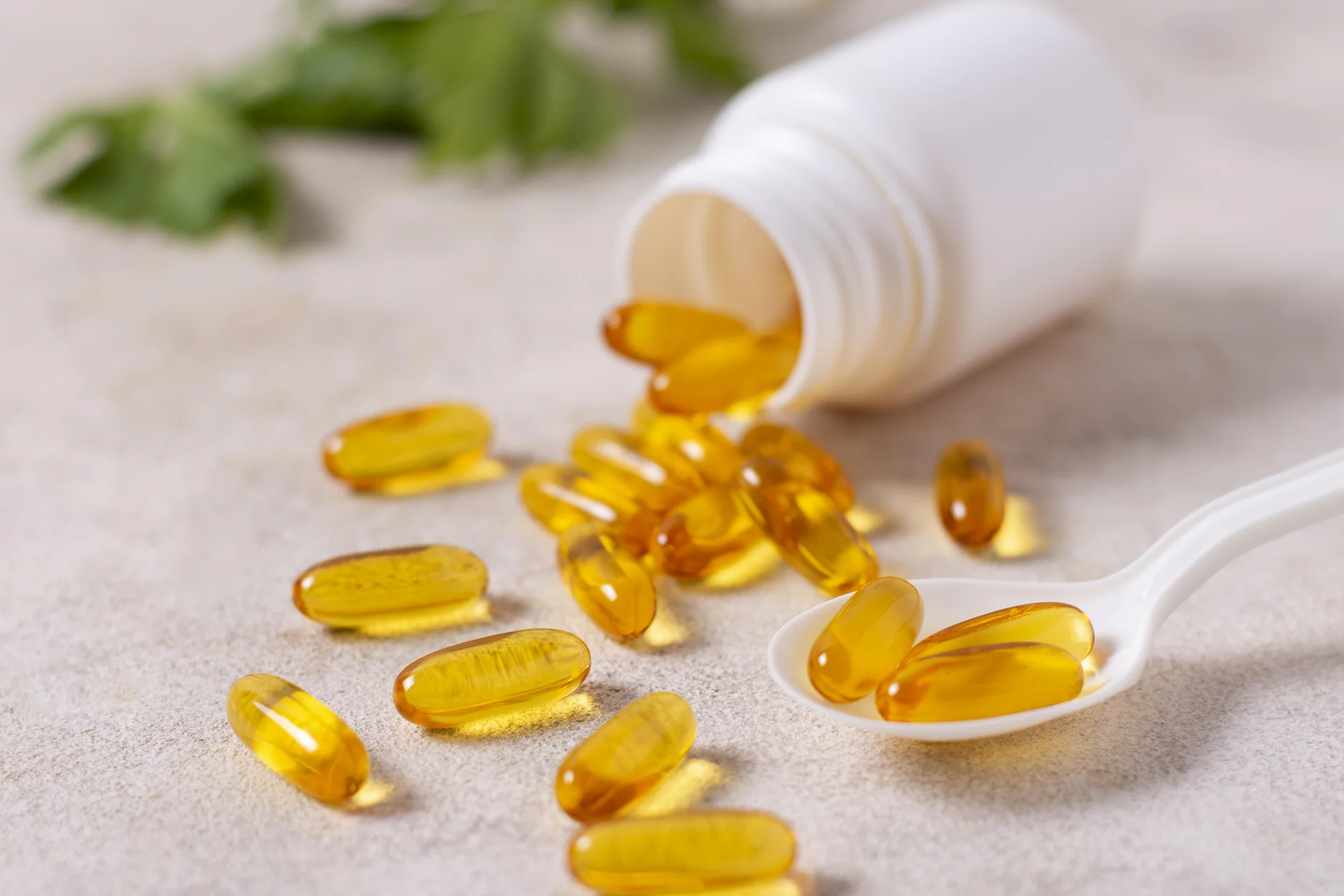
Turmeric can be used as spice or supplement.
Are Turmeric Supplements Safe?
Supplements are generally safe but may interact with medications.
When Should Curcumin Be Avoided?
Use caution in pregnancy and with blood thinners.
Does Turmeric Really Work?
Turmeric has benefits but is not a miracle cure.