





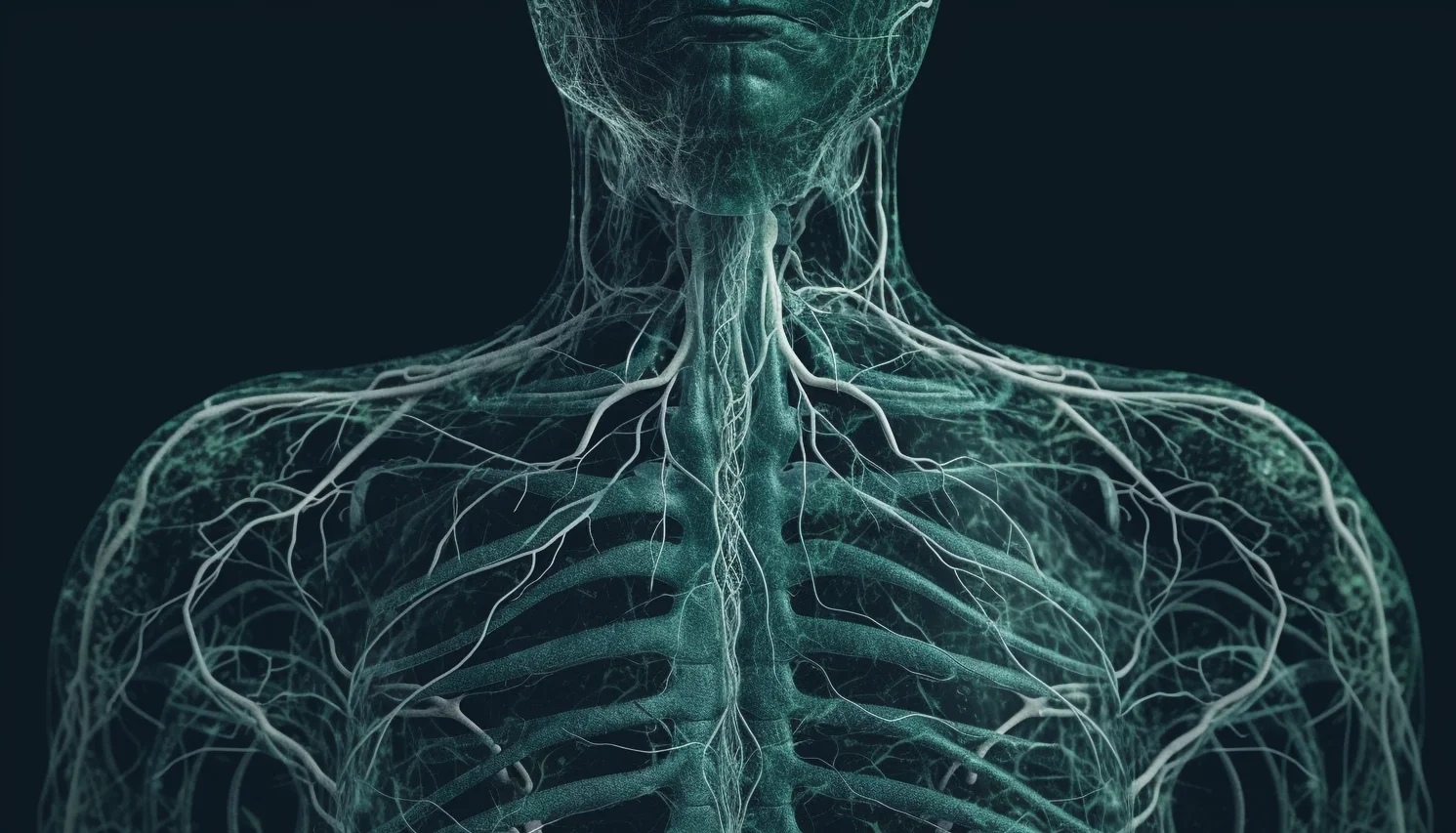


General Information on Body Fluid Content
General Information About Sports Drinks
Most athletes in professional sports, university, high school and youth sports have hypohydration (decreased body water levels) during training. Water and adequate fluid intake during activity can largely replace the body fluid lost through training and sweating. Maintaining body fluid balance (hydration) with minimal variability ensures maintenance of body temperature (thermoregulation) and optimal cardiovascular function. However, since excessive fluid intake (fluid overload) can lead to hyponatremia (a decrease in the amount of sodium in the blood below normal levels), which can be fatal, adequate, appropriate fluid intake is very important for maintaining body health.
It has been reported that an healthy individual who normally eats a well-balanced diet does not need to consume any additional ingredients other than water when performing less than one hour of physical activity. However, athletes participating in exercise sessions lasting longer than one hour or involving intense intervals may benefit from adding carbohydrates or electrolytes (or both) to rehydration fluids, especially in extreme environments. Assessment of body fluid balance status in athletes can be done by measuring thirst, body mass, urine color and concentration, as well as urine and serum osmolality (the total concentration of all solutes in a solution), which are more advanced, time-sensitive and expensive techniques. Endurance athletes may be aided by fluids containing carbohydrates and electrolytes during prolonged training and competitions. The general recommendation is to replace all fluids and nutrients used or lost during exercise.
However, it should be recognized that fluid losses and needs are variable and that body fluid balance needs should be individualized for best results. Physically active individuals should be educated about both fluid loss and hyponatremia and how to maintain their hydration status to improve safety and performance, and the fluid balance of athletes before, during and after exercise should be checked and evaluated and necessary precautions should be taken by specialized health personnel and appropriate medical interventions should be made in emergency situations.
Electrolytes
So what are electrolytes and what are their functions in the human body? Electrolyte refers to chemicals that carry an electrical charge when dissolved in water and these substances are found in tissues, blood, urine and other body fluids. Electrolytes are essential minerals required to maintain balance in human body functions and the main electrolytes are sodium, calcium, potassium, chloride, bicarbonate, phosphate and magnesium. These minerals are involved in important functions in the human body, including balancing body fluid levels, converting nutrients into energy, supporting brain function, heart rhythm, muscle control, body hydration and balancing acid and base levels (pH). Therefore, maintaining normal levels of electrolytes in our body is very important for maintaining our body functions in the best and most appropriate way. High intake of electrolytes and elevated electrolyte levels in the body, on the other hand, can lead to confusion (change in mental state in which the ability to pay attention, remember and make decisions is diminished and is not as clear and quick as it normally is), irritability (a state in which anger, and distress are easily triggered by an external influence), irregular heart rate (arrhythmia), breathing difficulties, fatigue, headache, muscle cramps or weakness, diarrhea or constipation, nausea and vomiting.
Cow's milk (especially rich in calcium, sodium and potassium), fruit juice (e.g. orange juice, cherry juice and melon juice are rich in magnesium, potassium and phosphate), coconut water (rich in potassium, calcium, sodium, magnesium), Beverages such as nutrient-added water beverages, sports drinks and oral electrolyte solutions (used to treat dehydration (a condition associated with insufficient fluid intake or loss of more than normal amounts of fluid) and vomiting and diarrhea in children) are rich in electrolytes. However, sports drinks can contain more electrolytes and higher amounts of carbohydrates (sugar) than a normal person needs, so while they are a good option for athletes, they may not be suitable for the average person.
Normal Levels of Electrolytes in the Human Body:
| Electrolyte | Electrolyte Levels Normal Range |
| Sodium (serum) | 135-145 (mmol/L) |
| Potassium (serum) | 3.6-5.5 (mmol/L) |
| Calcium (serum) | 8.8-10.7 (mg/dL) |
| Magnesium (serum) | 1.46-2.68 (mg/dL) |
| Bicarbonate (serum) | 23-30 (mmol/L) |
| Phosphorus (serum) | 3.4-4.5 (mg/dL) |
Essential Nutrients Contents in Sports Drinks Including Carbohydrates, Fat and Protein and Amino Acids
Conclusion: Sports Drinks and Important Points to Consider
The global market for functional beverages, including sports drinks, is estimated to be in the billions of US dollars and is constantly growing, with a large number of products with many different ingredients on the market. Intensive marketing efforts are constantly being made to encourage consumption of these products, even when they are not needed. Many functional products have a clean safety record, but sometimes the labeling may not include the correct amount of the drink's ingredients, or may miss some extra ingredients, or the drink may be inadvertently contaminated with allergens, and more concerns arise when youngers or intolerant subjects are targeted.
One of the important factors that should never be ignored is that these drinks should be “selected according to the individual needs of the athlete” who will use them and that the athlete and those involved in this process, such as the coach, should receive “adequate education” on issues related to the use of sports drinks, including the personal sweat rates and fluid losses of the person who will use the drink, and in this way, the necessary precautions should be taken against serious and undesirable events such as hypohydration (decreased body water levels) and fluid overload. To this end, scientific publications also convey the need to educate physically active people about the benefits of fluid replacement to improve performance and safety and the potential risks of both hypohydration (reduced body water levels) and hyperhydration (fluid overload) on health and physical performance. Sweat rates should be measured for physically active individuals during exercise in a variety of settings and to develop fluid replacement practices that promote adequate but not excessive hydration (fluid intake) before, during and after physical activitiy the processes should be performed with specialists. Further research in this area will help athletes and physically active individuals to confidently select functional sports drinks that better meet their needs.
Armstrong LE, et al. Practical Hydration Solutions for Sports. Nutrients. (2019) https://pubmed.ncbi.nlm.nih.gov/31324008/
https://health.clevelandclinic.org/too-many-electrolytes
https://health.clevelandclinic.org/electrolyte-drinks-beneficial-or-not
https://www.healthline.com/nutrition/electrolytes-drinks
https://www.medicalnewstoday.com/articles/electrolytes-drinks#summary
McDermott BP, et al. National Athletic Trainers' Association Position Statement: Fluid Replacement for the Physically Active. (2017).
https://pubmed.ncbi.nlm.nih.gov/28985128/
Orrù S, et al. Role of Functional Beverages on Sport Performance and Recovery. (2018).
https://pubmed.ncbi.nlm.nih.gov/30308976/
Shrimanker I, Bhattarai S. Electrolytes. [Updated 2023 Jul 24]. In: StatPearls [Internet]. Treasure Island (FL): StatPearls Publishing; 2025 Jan-.
Available from: https://www.ncbi.nlm.nih.gov/books/NBK541123/