


What Is Iron Deficiency?
Iron deficiency is a common health condition that occurs when the body does not have enough iron. Iron is essential for hemoglobin production, which carries oxygen to the body's tissues. When iron levels drop, oxygen delivery becomes insufficient, directly affecting energy production.
This condition often develops slowly and may not show obvious symptoms at first. However, over time, fatigue, dizziness, and decreased performance can occur.
Modern dietary habits and increased consumption of processed foods have contributed to the rising prevalence of iron deficiency.
What Causes Iron Deficiency?
The most common cause of iron deficiency is inadequate and unbalanced nutrition. Diets lacking iron-rich foods significantly increase the risk.
Chronic blood loss, such as heavy menstrual bleeding or gastrointestinal issues, can also rapidly deplete iron stores.
Additionally, conditions like celiac disease reduce the body's ability to absorb iron properly.
What Are the Symptoms of Iron Deficiency?
Common symptoms include fatigue, weakness, dizziness, and shortness of breath. Heart palpitations may also occur.
Pale skin, hair loss, and brittle nails are also typical signs.
In advanced cases, concentration problems can develop.
What Is Iron Deficiency Anemia?
Iron deficiency anemia occurs when the body cannot produce enough hemoglobin.
This reduces oxygen transport and forces the heart to work harder.
Early diagnosis is essential for treatment.
Who Is at Risk?
Women, children, and pregnant individuals are at higher risk.
Growth increases iron demand in children.
Absorption issues affect older adults.
How Is It Diagnosed?
Blood tests measure ferritin and hemoglobin levels.
Low ferritin indicates depleted iron stores.
Early diagnosis improves outcomes.
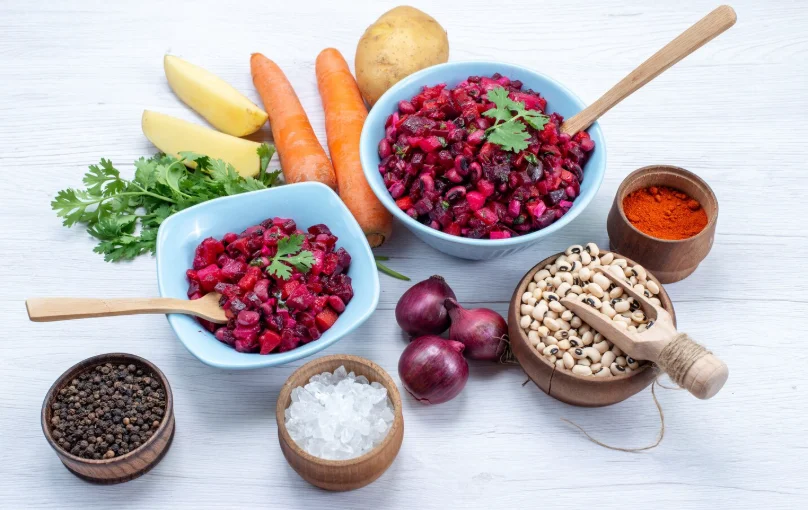
Iron-Rich Foods
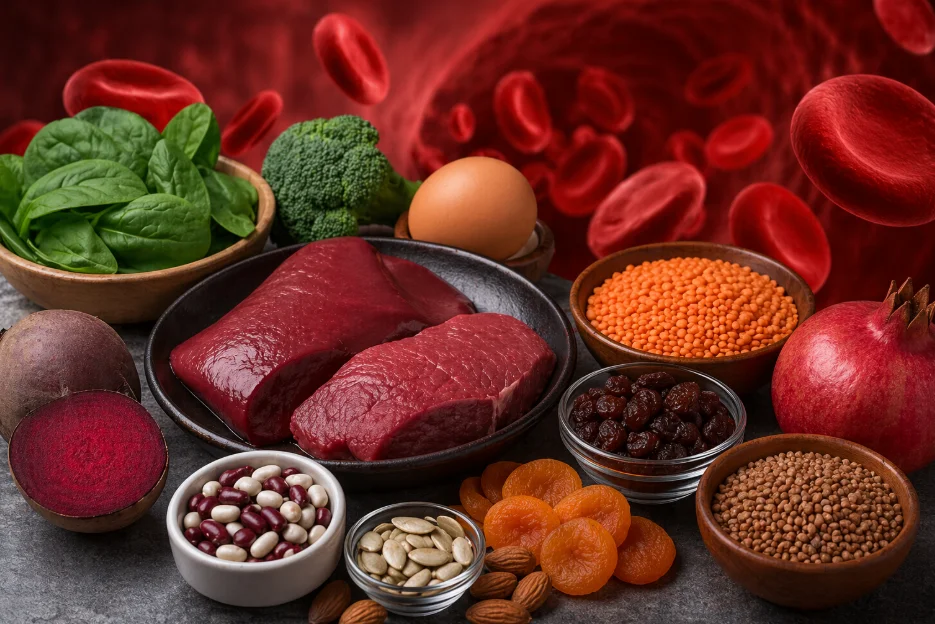
Red meat and liver are rich sources of iron.
Vitamin C improves absorption.
Balanced nutrition is essential.
Are Supplements Necessary?
Supplements should be taken under medical supervision.
Overuse can be harmful.
Factors Affecting Absorption
Tea and coffee reduce absorption.
Vitamin C increases it.
How to Prevent It?
A balanced diet is key.
Regular check-ups are important.