






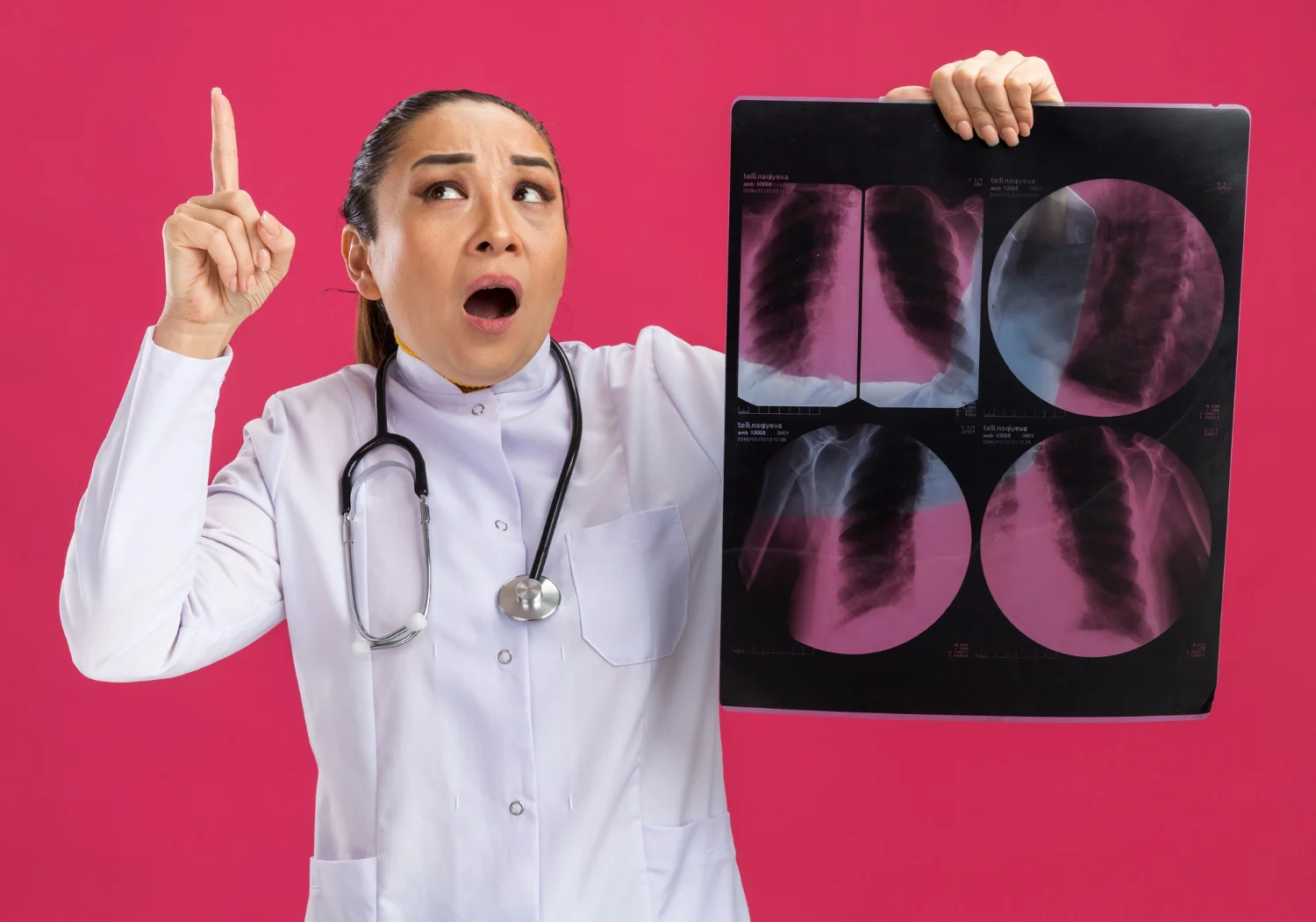
What is the most common cause of community-acquired pneumonia (CAP)?
The most commonly implicated causes of community-acquired pneumonia (CAP) in routine clinical practice include both bacteria and respiratory viruses. Among bacterial pathogens, Streptococcus pneumoniae is classically highlighted as a leading cause, although distributions shift by season, age group, comorbidities, and local epidemiology. Viruses such as influenza may directly trigger CAP and can also predispose to secondary bacterial infection. Because “most common” varies across regions and time, CAP management is typically built around risk-based pathogen coverage and early reassessment rather than relying on a single universal organism. The objective is operational accuracy: align likely pathogens with patient risk profile and local patterns.