





Visiting Researcher&Lecturer - University College London, Mechanical Engineering and Faculty of Medicine, UK
Visiting Lecturer - University of Aveiro, Faculty of Biomedical Engineering, Portugal
What Is Pneumonia? What Happens Inside the Lungs?
Pneumonia is an infection that inflames the alveoli—the tiny air sacs in the lungs. During infection, these air sacs may fill with fluid or pus, limiting oxygen exchange between the lungs and the bloodstream. As a result, the body may not receive enough oxygen, leading to fatigue, shortness of breath, chest discomfort, and reduced exercise tolerance.
Pneumonia is not caused by a single pathogen; bacteria, viruses, and less commonly fungi can trigger the condition. Disease severity depends on age, immune status, and underlying chronic illnesses. Therefore, pneumonia should not be treated like a simple cold; it requires accurate diagnosis, risk stratification, and a targeted management plan. Early medical evaluation reduces complication risk and supports faster recovery.
Pneumonia Symptoms: Early Warning Signs and Severe Features
Pneumonia symptoms vary by pathogen and severity. The most common signs include fever, chills, cough, sputum, shortness of breath, and chest pain. Chest pain may worsen with breathing, suggesting pleural irritation. Some patients also experience palpitations, poor appetite, and marked fatigue.
In older adults and immunocompromised people, classic symptoms may be subtle. Fever may be absent, while confusion, sudden functional decline, falls, or excessive sleepiness can dominate. In children, rapid breathing, nasal flaring, feeding difficulties, and irritability are common. Recognizing early warning signs helps prevent progression and may reduce the need for hospitalization.
Types of Pneumonia: CAP, HAP, Aspiration, and Atypical Presentations
Pneumonia is classified by setting and pathogen profile. Community-acquired pneumonia (CAP) occurs outside healthcare facilities and is the most common form. Hospital-acquired pneumonia (HAP) develops after admission; pathogens may be more resistant, which changes treatment strategy. Ventilator-associated pneumonia is linked to ICU care and mechanical ventilation.
Aspiration pneumonia results from inhalation of gastric contents or oropharyngeal secretions; risk rises with swallowing disorders, altered consciousness, and reflux. Atypical (“walking”) pneumonia can be more gradual and mild, yet complications are still possible. Correct classification directly guides antibiotic choices, supportive care needs, and prognosis assessment.
Community-Acquired Pneumonia (CAP): The Most Common Scenario and Clinical Approach
Community-acquired pneumonia (CAP) develops without recent hospitalization or significant healthcare exposure. Common causes include bacteria such as Streptococcus pneumoniae, viruses like influenza and RSV, and atypical organisms. Clinical assessment focuses on age, comorbidities, and vital signs to determine whether outpatient care or hospitalization is appropriate.
The goals in CAP management are rapid diagnosis, selecting the right antimicrobial/antiviral strategy, and stabilizing key parameters such as oxygenation. Mild cases may be treated as outpatients, while respiratory failure signs, low oxygen saturation, or hemodynamic instability typically require admission. Vaccination (influenza and pneumococcal) and risk-factor control reduce overall burden at the population level.
Walking Pneumonia (Atypical Pneumonia): Why It Can Feel Mild
“Walking pneumonia” refers to atypical pneumonia that may not fully disrupt daily activities. Causes often include Mycoplasma pneumoniae and certain viruses. Symptoms can be gradual: low-grade fever, sore throat, dry cough, and general fatigue are common.
The perception of mildness can delay diagnosis. However, prolonged cough, airway hyperreactivity, and occasional complications may occur. If symptoms last beyond 7–10 days, shortness of breath increases, or risk factors exist, medical evaluation is warranted. Treatment depends on the likely pathogen spectrum, and clinical decision-making should avoid unnecessary antibiotic use while ensuring timely care when bacterial infection is suspected.
Pneumonia Causes: Bacterial Pathogens and Common Organisms
Bacterial pneumonia remains a major contributor, particularly in adults. Streptococcus pneumoniae is a classic cause of community-acquired pneumonia. Klebsiella pneumoniae may lead to more severe disease in certain risk groups. Mycoplasma pneumoniae is associated with atypical pneumonia and can present more gradually.
Determining the most likely pathogen depends on age, comorbidities, recent antibiotic exposure, travel history, and epidemiologic factors. Antibiotic resistance is a critical variable that influences outcomes. Therefore, treatment should not rely on a “generic antibiotic” approach; it must be aligned with probable pathogens, local resistance patterns, and severity. When indicated, cultures and diagnostic testing help transition to targeted therapy.
Viral Pneumonia: Why Risk Can Increase After Influenza and Other Viruses
Viral pneumonia can develop from respiratory viruses such as influenza or RSV. Viruses trigger inflammation in lung tissue, impair breathing, and can reduce oxygenation. After a viral infection, airway defenses may be weakened, increasing the risk of secondary bacterial infections.
Antibiotics are not always needed in viral pneumonia; decisions should be based on clinical course, lab markers, and imaging when appropriate. Persistent high fever, new or worsening sputum, clinical deterioration, or high-risk status may suggest bacterial superinfection. Influenza vaccination and risk mitigation strategies reduce both incidence and the likelihood of severe outcomes.
Pneumonia Diagnosis: Chest X-Ray, Blood Tests, and Sputum Evaluation
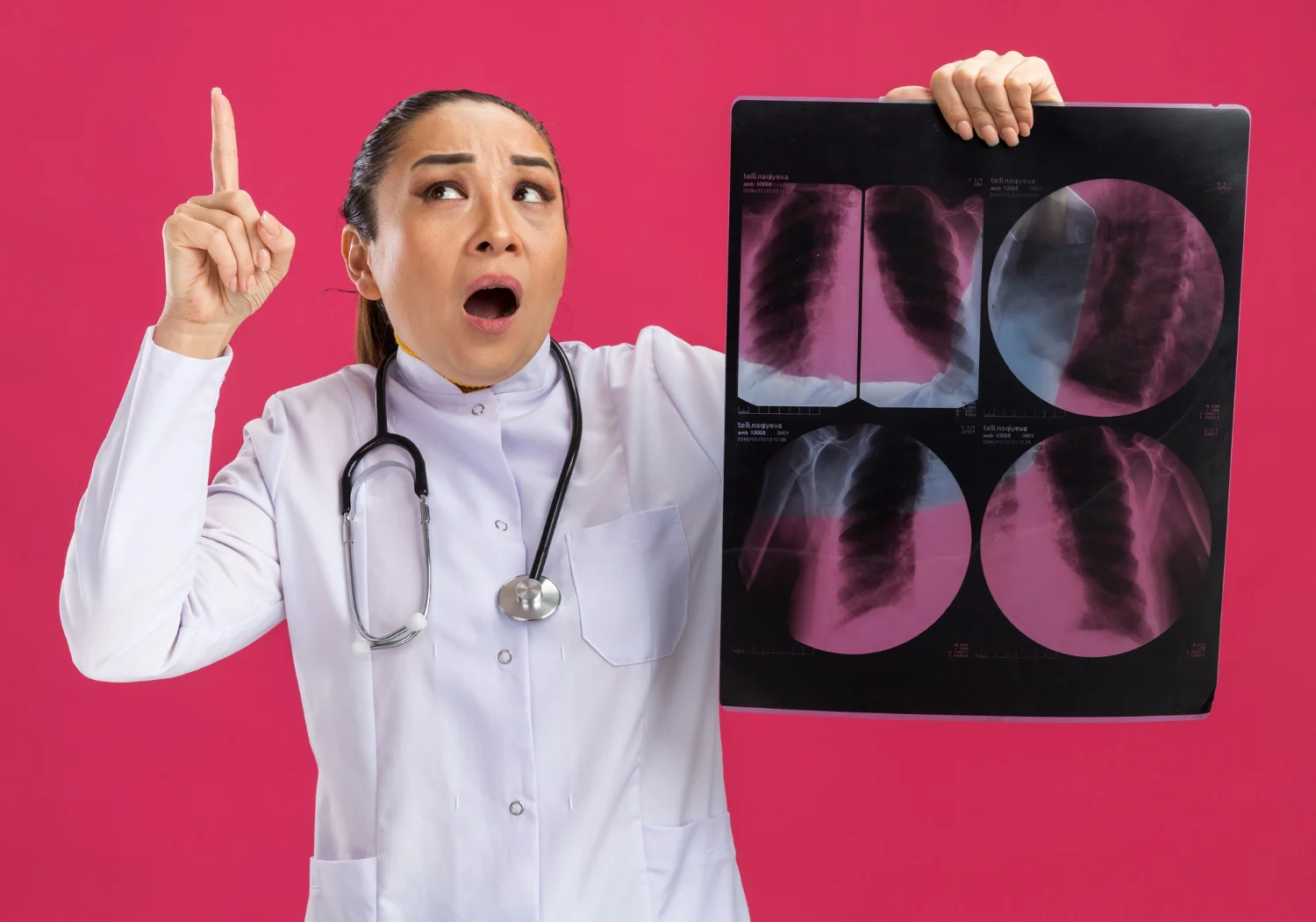
Pneumonia diagnosis starts with clinical assessment, integrating history, physical exam, and vital signs. Chest X-ray is the primary imaging tool to detect infiltrates consistent with pneumonia. CT scanning may be used for complicated cases or atypical presentations.
Blood tests (CBC, inflammatory markers such as CRP) provide additional insight into disease activity and possible etiology. Sputum sampling and culture support targeted therapy in severe disease or when resistance is suspected. Oxygen saturation and, when needed, arterial blood gas analysis are essential to assess respiratory failure risk. A well-structured diagnostic approach reduces unnecessary antibiotic use and improves treatment precision.
Pneumonia Treatment: When Antibiotics Are Needed and When Hospitalization Is Required
Pneumonia treatment depends on whether the cause is bacterial or viral, disease severity, and the patient’s risk profile. Antibiotics are essential for bacterial pneumonia, but prescribing them for every cough and fever is not appropriate. Clinicians decide based on symptoms, lab markers, and imaging.
Supportive care is critical across all pneumonia types: hydration, fever control, rest, oxygen support when needed, and breathing exercises. Low oxygen saturation, rapid breathing, confusion, or low blood pressure may warrant hospitalization. Treatment success relies not only on the right medication but also on adherence, follow-up evaluation, and early detection of complications.
Preventing Pneumonia: Vaccines, Hygiene, Risk Reduction, and Lifestyle
The most effective pneumonia prevention strategies combine risk reduction with immune protection. Influenza vaccination lowers the risk of viral infections progressing to pneumonia, while pneumococcal vaccines reduce bacterial pneumonia burden in specific risk groups. Vaccination is especially important for older adults, people with chronic diseases, and immunocompromised individuals.
Hand hygiene, adequate ventilation in indoor spaces, smoking cessation, and good oral hygiene can reduce respiratory infections. For those with aspiration risk, swallowing assessment and nutrition strategies are important. A healthy lifestyle—sleep, balanced nutrition, regular activity—supports immune function. Prevention should be treated not as a single action, but as a sustainable risk-management program.
Visiting Researcher&Lecturer - University College London, Mechanical Engineering and Faculty of Medicine, UK
Visiting Lecturer - University of Aveiro, Faculty of Biomedical Engineering, Portugal