





What are the top 3 causes of community-acquired pneumonia (CAP)?
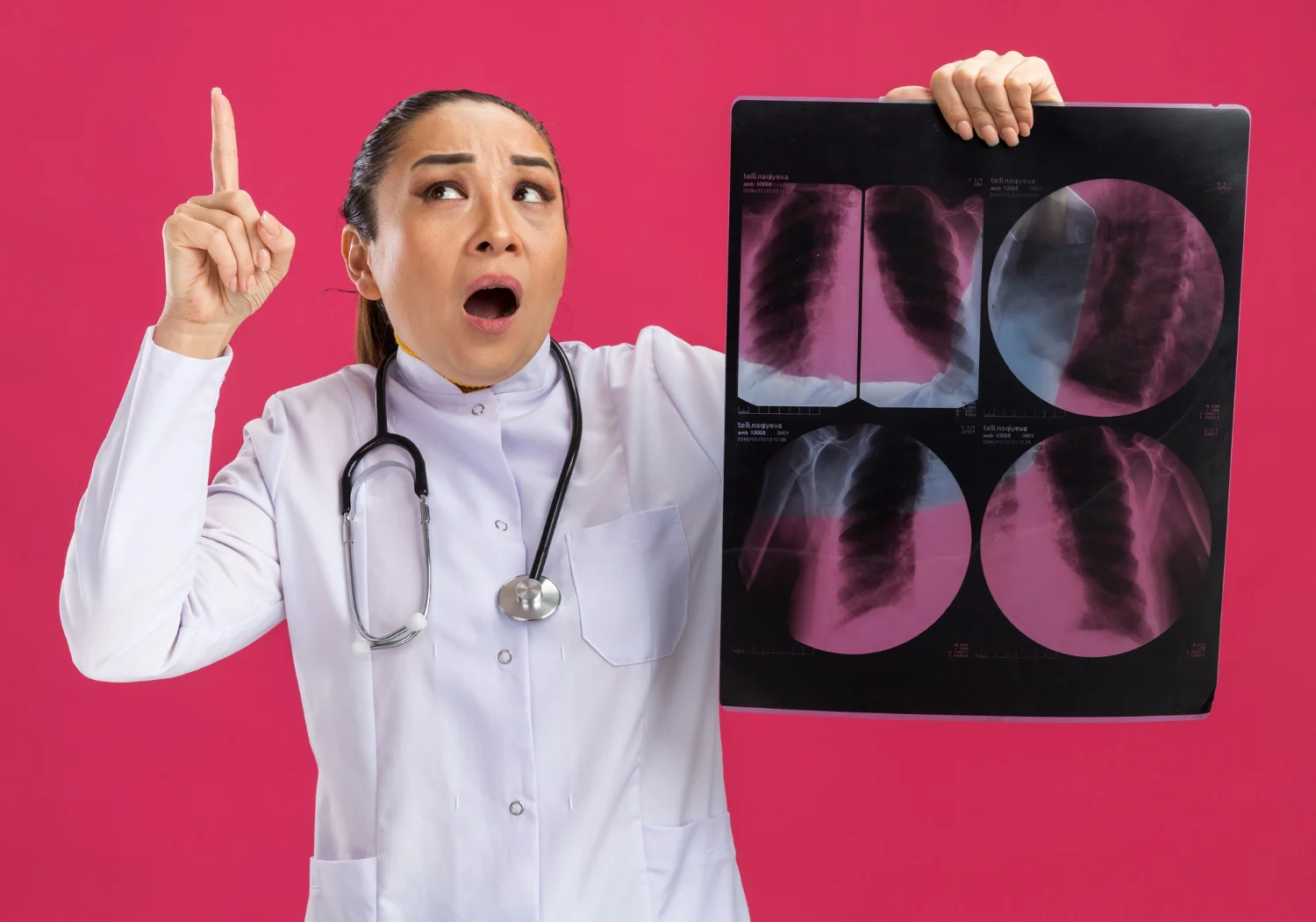
“Top 3” varies by region and patient mix, but in everyday clinical framing the most frequently discussed groups are: (1) typical bacteria such as Streptococcus pneumoniae, (2) atypical organisms—notably Mycoplasma pneumoniae, and (3) respiratory viruses (influenza, RSV, etc.). Older adults and patients with comorbidities may skew toward typical bacterial causes, while younger populations with close-contact exposure may see more atypical patterns. This is a practical risk-based framework used to guide empiric decisions—not a definitive lab-confirmed ranking. When precision matters, diagnostic testing and imaging should be used to refine the working diagnosis.