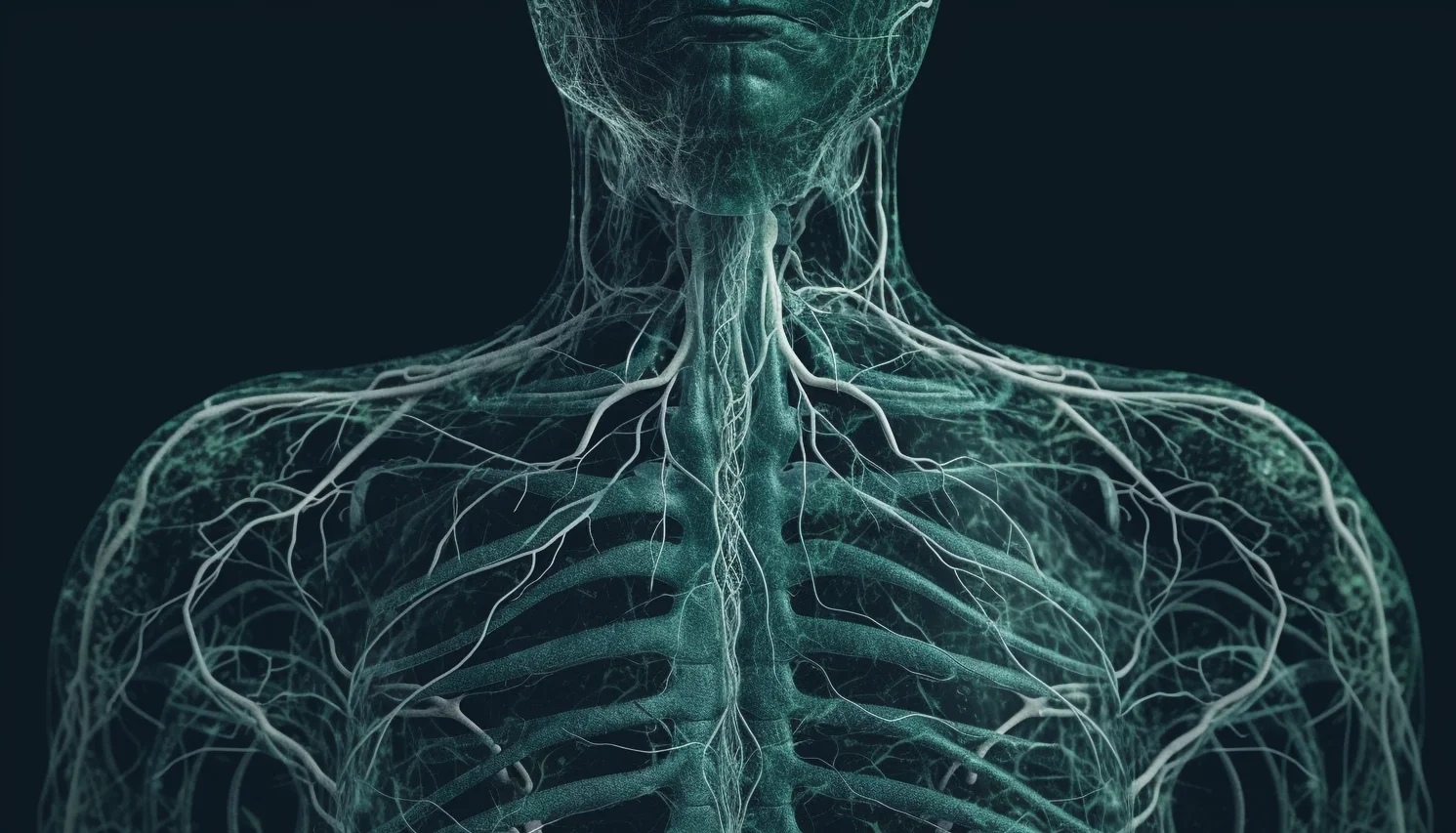







How can you tell if your gut is unhealthy?
“Unhealthy gut” usually refers to either functional disturbance (IBS-like patterns) or an underlying organic disease (inflammatory bowel disease, celiac disease, infection, etc.). Common signs include persistent bloating/gas, a clear change in bowel habits (constipation/diarrhea swings), abdominal pain, no relief after passing stool, excessive straining, very hard or very watery stools, frequent indigestion or reflux. Red flags change the priority: blood in stool, black/tarry stool, unexplained weight loss, diarrhea that wakes you at night, prolonged fever, anemia, family history of colorectal cancer/IBD, or new symptoms after age 50 warrant prompt medical assessment. “Dysbiosis” is not a stand-alone diagnosis because symptoms have many causes. Instead of labeling it as “probiotic deficiency,” assess diet quality (low fiber, high ultra-processed load), medications (antibiotics, acid suppressors), sleep/stress, and coexisting conditions as a system. The goal is not just symptom suppression but building a stable, sustainable baseline.