Map of Health content is prepared with an evidence-based approach. References are provided for transparency.
Medical disclaimer
This content is for informational purposes only and does not replace professional medical advice, diagnosis, or treatment. If you have an urgent medical concern, seek immediate care.
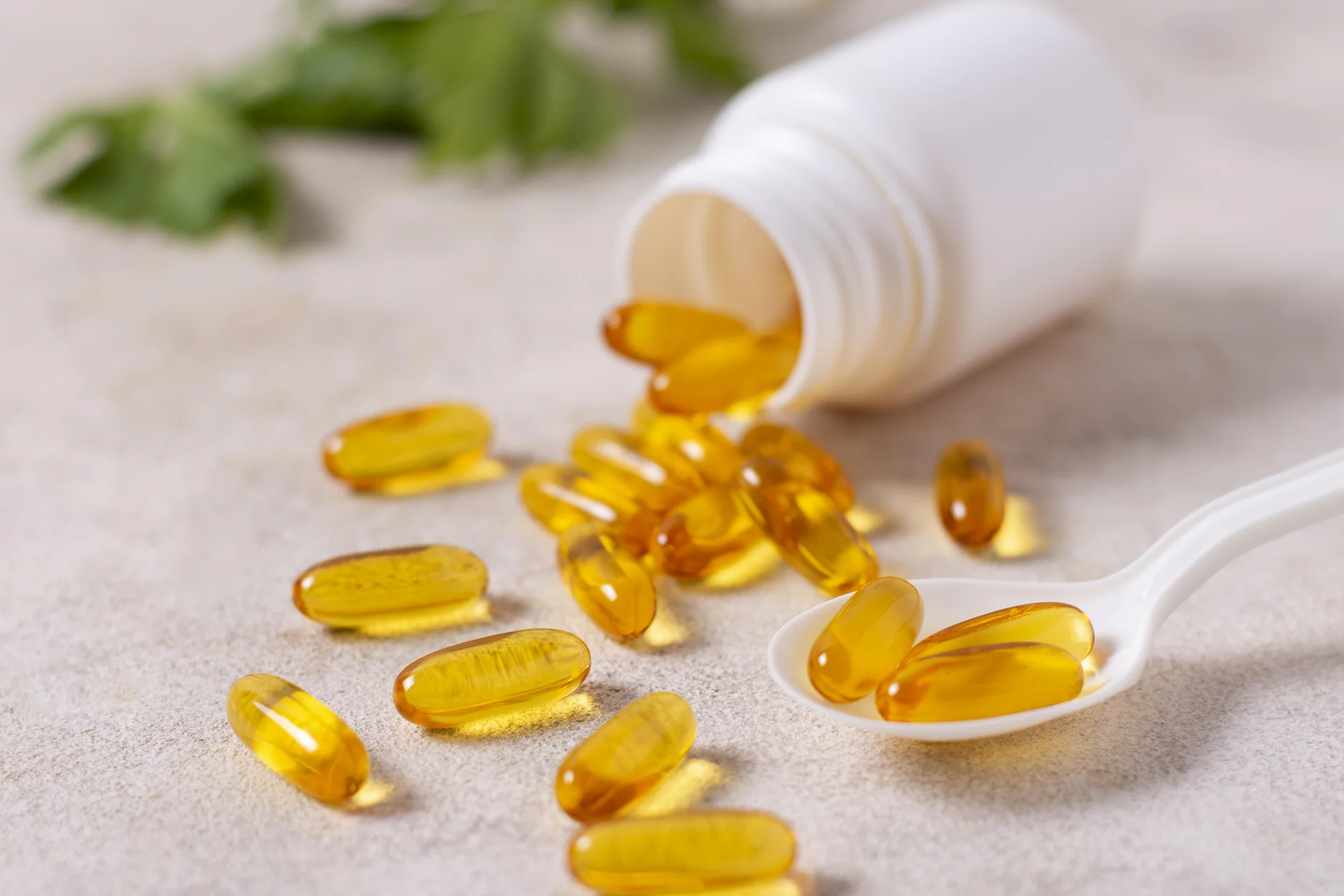
"Foods like yogurt, kefir, apples, and leafy greens, along with supplements such as probiotics, prebiotics, omega-3, and vitamin D, support gut health and ease digestion."
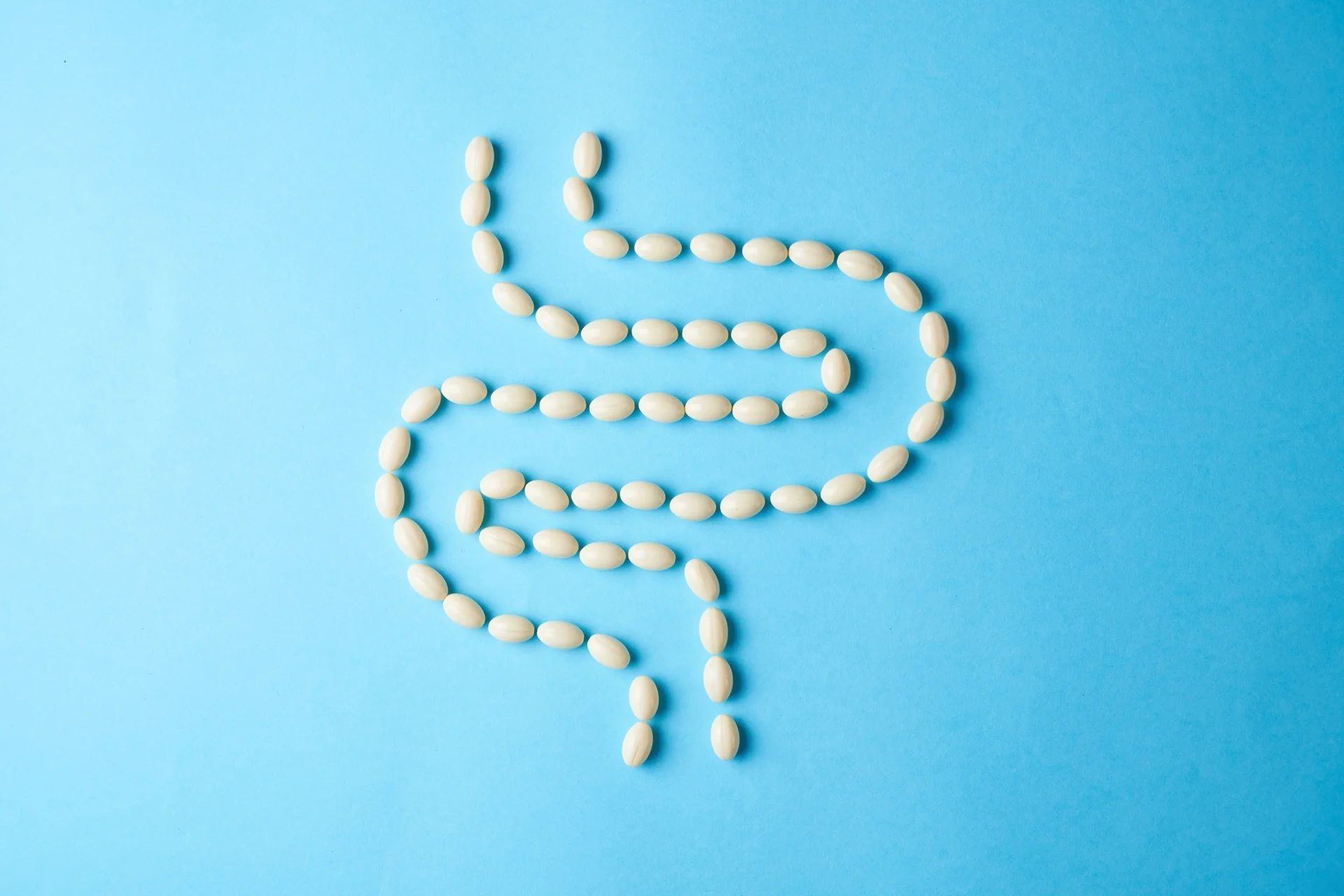
GUT HEALTH: A SCIENCE-BASED, PLAIN-LANGUAGE Q&A GUIDE “The gut is not just digestion; it is a strategic hub for immunity, energy, and mental well-being.” Gut health is built on five pillars: (1) diverse fiber intake, (2) adequate hydration,…
→
The gut’s “best friend” is not a single product—it is a lifestyle pattern that consistently feeds and protects the microbiome. First: diverse fiber and routine. Fiber increases stool bulk, improves softness, and fuels short-chain fatty acid…
→
“Gut cleansing” is often confused with detox marketing. Scientifically, the best “cleaning system” is your body’s own physiology: fiber + water + movement. Fiber helps move intestinal contents forward; soluble fiber softens stools, while in…
→
A “happy gut” means fewer cramps, bloating, and unpredictable bowel changes—with regular, comfortable stools. Build a three-layer strategy. Layer 1: rhythm. Keep meal and sleep timing consistent, and add a short morning walk to support natu…
→
“Unhealthy gut” usually refers to either functional disturbance (IBS-like patterns) or an underlying organic disease (inflammatory bowel disease, celiac disease, infection, etc.). Common signs include persistent bloating/gas, a clear change…
→
Gut flora (microbiota) does not “reset” overnight—it improves through consistent habits. The strongest lever is fiber diversity: legumes, oats, whole grains, fruits/vegetables, and nuts expand substrate availability for beneficial microbes.…
→
No bowel movement for three days is often temporary, but the approach should be structured. In the first 24–48 hours, aim to “soften and stimulate”: (1) increase fluids throughout the day, (2) add soluble fiber gradually (oats, chia, psylli…
→
“Messed-up gut” may describe post-infectious sensitivity, IBS-like irregularity, or diet–stress driven irritation. The core goal is a stabilizing plan that reduces barrier stress. Step one is a 7–14 day simplification: cut ultra-processed f…
→
The most effective mechanism in the morning is the gastrocolic reflex: when the stomach fills, colon motility increases. So routine matters more than a single magic drink. Still, practical options include warm water (helps some people), cof…
→
Healthy stool is regular, easy to pass without pain or heavy straining, typically brown, and not extremely hard or watery. Clinicians often use the Bristol Stool Form Scale: types 3–4 are commonly considered ideal; types 1–2 suggest constip…
→
Before trying to “increase absorption,” identify what is impairing it. Malabsorption can be linked to celiac disease, inflammatory bowel disease, pancreatic enzyme insufficiency, bile-flow problems, chronic infections, or certain medication…
→
“Sluggish bowel” often relates to slow transit, low fiber/fluid intake, inactivity, stress, medications (iron, some antidepressants, opioids), or pelvic-floor dysfunction. The solution is a gradual, systemic upgrade—not a one-time strong la…
→
Regulatory foods support natural bowel rhythm through fiber, water, and bioactive compounds. For constipation-prone patterns: oats, psyllium, prunes, kiwi, flax/chia, legumes, vegetable soups, plus adequate fluids are often effective. For d…
→
Digestion-friendly foods reduce unnecessary gastric load and support transit without irritation. Group one: gently cooked foods—vegetable soups, steamed/boiled vegetables, well-cooked legumes (as tolerated), and simple starches like rice or…
→
Excess gas is often not a disease but a balance issue between fermentation and swallowed air—yet it can signal underlying problems in some cases. Common causes include eating too fast, chewing gum, carbonated drinks, sugar alcohols (e.g., s…
→
The stomach’s “best friend” is not a single food—it is a meal structure that balances acid load and reflux risk. First: portion control. Large, high-fat meals slow gastric emptying and can worsen reflux/indigestion. Second: consistent meal …
→
There is no single “first sign” of colorectal (bowel) cancer; symptoms vary and many overlap with benign conditions. Clinically, key warning signs include blood in stool (bright red or darker), a persistent change in bowel habits (constipat…
→
“Leaky gut” is a popular term; medically, “increased intestinal permeability” is more accurate. Key point: it is typically a mechanism seen in certain conditions and exposures, not a stand-alone diagnosis with a one-size-fits-all cure. Fact…
→
The elimination system (gut + kidneys + liver) is not “cleansed” by a single food; it is supported by consistent diet and hydration. For the gut: diverse fiber (vegetables, legumes, whole grains, fruits) plus enough fluids is central. For k…
→
What harms gut health is often not a single food but repeated exposures. Top contributors include ultra-processed foods (high refined sugar, low fiber, additive-heavy profiles) and sugary drinks. Heavy alcohol use can disrupt barrier integr…
→
There is no single “gut vitamin,” but several micronutrients are important for barrier function, immunity, and motility. Vitamin D stands out for immune balance and inflammation-related pathways; deficiency is common and correcting it under…
→
Hard-to-digest foods often delay gastric emptying, carry very high fat loads, contain highly fermentable carbohydrate/fiber loads, or clash with personal intolerances. Examples include deep-fried foods, very fatty meats, cream/sauce-heavy m…
→