



Quercetin Q&A Guide: Evidence-Informed, Plain Language
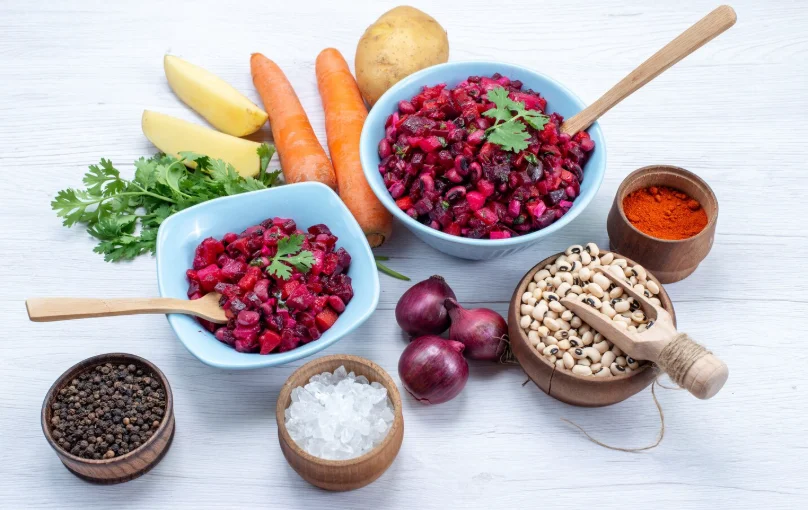
Popularity is not the same as suitability. This guide summarizes quercetin through the most frequently asked questions: mechanisms, realistic benefits, limitations, bioavailability challenges, safety, and interaction risks. Quercetin is a dietary flavonoid found in onions, apples, capers, and various plant foods. While anti-inflammatory and antioxidant effects are well described in experimental settings, human outcomes depend on formulation, dose, duration, and individual risk factors. People on anticoagulants/antiplatelets or other chronic medications should avoid a “one-size-fits-all” approach. Extra caution is advised during pregnancy, breastfeeding, significant kidney/liver disease, and before planned surgery.