


Pharm. Gita Parviz
Marmara University, Faculty of Pharmacy, Department of Pharmacology
Editorial note
Map of Health content is prepared with an evidence-based approach. References are provided for transparency.
Medical disclaimer
This content is for informational purposes only and does not replace professional medical advice, diagnosis, or treatment. If you have an urgent medical concern, seek immediate care.
"Quercetin, a natural flavonoid, is known for its powerful anti-inflammatory and immune-boosting benefits."
What is Quercetin? What is Quercetin Used For?

WHAT IS QUERCETIN?

Quercetin is a yellow, naturally occurring flavonoid found abundantly in fruits and vegetables. Its name is derived from the Latin word “quercetum,” meaning oak grove or oak wood. In plants, quercetin plays a crucial role in various physiological processes, including growth and reproduction. This compound also offers several health benefits for humans.

WHAT ARE THE SOURCES OF QUERCETİN?

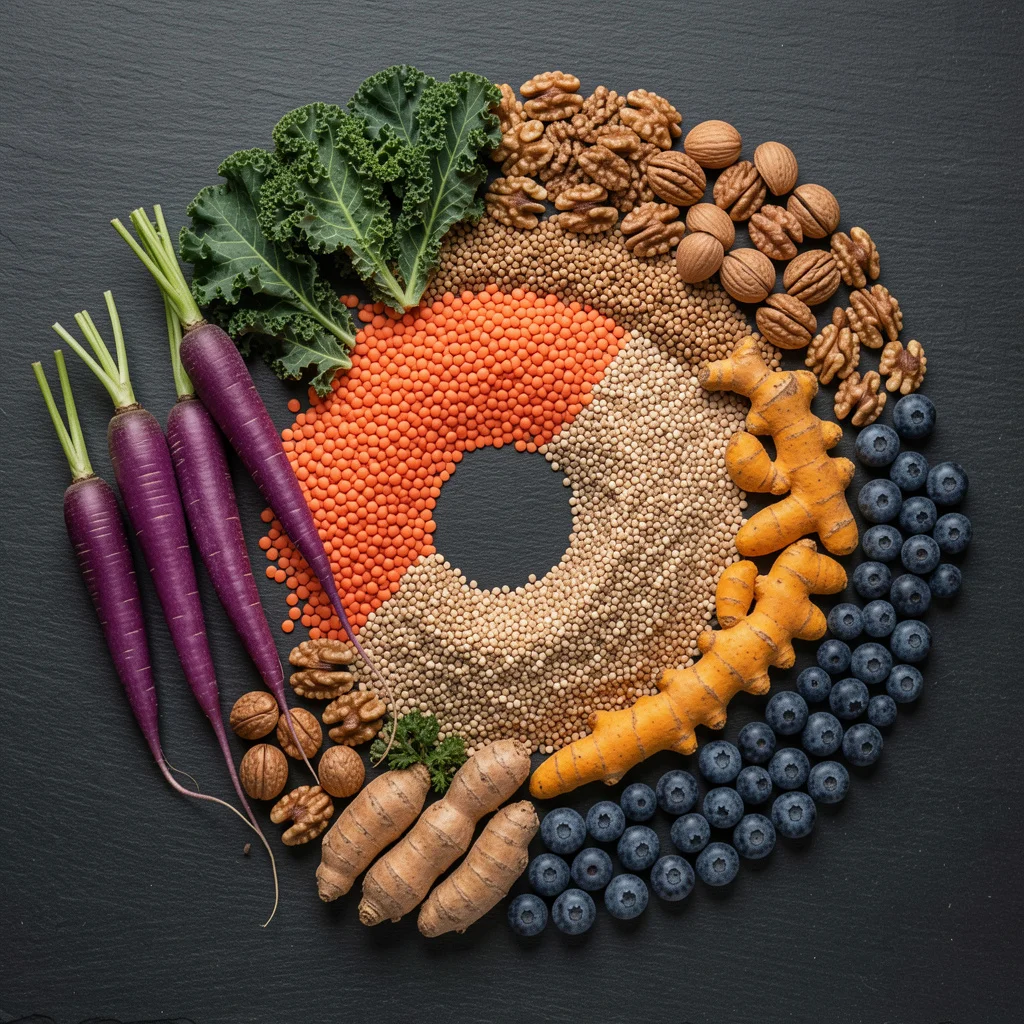
Onions (Allium cepa), both white and red, are among the richest sources of quercetin. Other foods such as citrus fruits, apples, parsley, sage, grapes, dark cherries, and berries like blueberries, blackberries, and bilberries also contain notable amounts of quercetin. Tea, especially varieties from the Camellia sinensis plant, is another significant source of this beneficial compound. Herbal teas, like chamomile and elderberry, also provide quercetin, though in smaller amounts.


Quercetin is also present in medicinal plants like Ginkgo biloba, St. John’s Wort (Hypericum perforatum), and black elderberry (Sambucus canadensis). Additionally, olive oil, red wine, and honey are important dietary sources of quercetin, and it can also be taken as a supplement.

WHAT ARE THE BENEFITS OF QUERCETIN?

  • Cardio-protection

Animal studies and clinical data suggest that quercetin has a strong cardio-protective effect. This compound helps lower high blood pressure through its anti-inflammatory and antioxidant properties. Additionally, quercetin may aid in restoring the strength of heart muscle that can be weakened by cardiac conditions such as heart failure, diabetic cardiomyopathy, and ischemic heart disease.


  • Anti-inflammation

Quercetin is known for its long-lasting anti-inflammatory effects. It works on different types of cells in both animals and humans. It helps stabilize mast cells and protect the digestive system. Quercetin also helps control inflammation and immune responses in a balanced way. Additionally, it can suppress the activity of dendritic cells, which are important for the immune system.


  • Anti-cancer

Owing to its extensive antioxidant activity, quercetin is capable of directly attacking human cancer cells, initiating their death, and consequently inhibiting the progression of cancerous tissue. Despite its detrimental effect on cancerous cells, this compound shows minimal toxicity to normal human cells, even at high doses.


  • Antiviral activity

Evidence suggests that quercetin may be beneficial for the treatment of viral infections, as quercetin-type flavonols exhibit direct antiviral activity and indirect anti-inflammatory effects. These compounds can significantly reduce the mortality rate during viral upper respiratory infections. Interestingly, quercetin was one of the natural compounds studied for its potential against coronavirus infection, as it has been shown to inhibit viral replication.

WHAT ARE THE PRECAUTIONS THAT SHOULD BE TAKEN INTO CONSIDERATION WHILE USING QUERCETIN?

  • Allergy

Since allergies to certain plants or their pollen are quite common, it is crucial to first test for any allergic reaction to this compound.


  • Drug interactions

Generally, quercetin interacts with several medications that are metabolized in the liver, transported by P-glycoprotein pumps, or excreted through the kidneys. Therefore, if you are taking other medications, it is important to consult with your physician before starting this supplement. Specifically, this compound should not be taken alongside quinolone antibiotics, warfarin, or anti-hypertensive and anti-diabetic medications.


  • Pregnancy and breastfeeding

There are not enough studies to support the safety of quercetin supplement use during pregnancy and breastfeeding.


  • Kidney diseases

Quercetin is primarily excreted through kidneys.

KEY POINTS ABOUT QUERCETIN

  • Although multiple academic studies suggest the beneficial effects of quercetin on human health, clinical outcomes do not support this conclusion, as its very poor oral bioavailability due to low absorption interferes with its activity in the human body.
  • Quercetin taken orally before exercise does not reduce fatigue or enhance athletic performance.
  • Quercetin is generally considered safe for most people when used short-term at the recommended doses. However, the safety of long-term use or higher doses is not well established.

Pharm. Gita Parviz
Pharm. Gita Parviz
Marmara University, Faculty of Pharmacy, Department of Pharmacology

Ay M, et al., Chapter 43 - Quercetin, in Nutraceuticals (Second Edition), Gupta RC, Lall R, and Srivastava A, Editors. 2021, Academic Press. p. 749-755. https://www.sciencedirect.com/science/article/abs/pii/B9780128210383000434

Baqer SH, Al-Shawi SG, and Al-Younis ZK, Quercetin, the Potential Powerful Flavonoid for Human and Food: A Review. (2024). 

https://www.imrpress.com/FBE/articles/10.31083/j.fbe1603030

Brito JCM, et al., Effectiveness of supplementation with quercetin-type flavonols for treatment of viral lower respiratory tract infections: Systematic review and meta-analysis of preclinical studies. (2021).

https://onlinelibrary.wiley.com/doi/abs/10.1002/ptr.7122

Derosa G, et al., A role for quercetin in coronavirus disease 2019 (COVID-19). (2021).

https://onlinelibrary.wiley.com/doi/abs/10.1002/ptr.6887

Ferenczyova K, Kalocayova B, and Bartekova M, Potential Implications of Quercetin and its Derivatives in Cardioprotection. (2020).

https://www.mdpi.com/1422-0067/21/5/1585

Li Y, et al., Quercetin, Inflammation and Immunity. (2016). 

https://www.mdpi.com/2072-6643/8/3/167

Rauf A, et al., Anticancer potential of quercetin: A comprehensive review. (2018).

https://onlinelibrary.wiley.com/doi/abs/10.1002/ptr.6155

http://www.mobot.org/mobot/latindict/keyDetail.aspx?keyWord=quercetum#:~:text=quercetorum%3A%20an%20oak%20grove%2C%20forest,(s.f.IV)%20%2B%20etum%5D)%3B

https://www.webmd.com/vitamins/ai/ingredientmono-294/quercetin
FAQ

Popularity is not the same as suitability. This guide summarizes quercetin through the most frequently asked questions: mechanisms, realistic benefits, limitations, bioavailability challenges, safety, and interaction risks. Quercetin is a d…

Quercetin is a plant flavonoid found in foods like onions, apples (peel), capers, and tea. It is studied for anti-inflammatory and antioxidant actions and for potential modulation of allergic pathways (including mast-cell related responses)…

Absolute bans are rare, but risk is higher in certain groups: pregnancy/breastfeeding (limited safety data), people using anticoagulants/antiplatelets (possible bleeding-risk considerations), and those with significant kidney or liver disea…

There is no single best time. Many people tolerate it better with food. Splitting the dose (morning/evening) can reduce GI discomfort. For seasonal allergy use, starting before exposure and reassessing after a few weeks is practical. It is …

Quercetin is discussed for gut barrier and inflammation, and for bidirectional interactions with the microbiome. Experimental data are promising, but human outcomes vary by condition, diet quality, and formulation. The strongest “gut plan” …

“Rejuvenation” is a marketing-heavy term. Quercetin may influence oxidative stress and inflammatory signaling, which are relevant to aging biology, but strong direct human evidence that it reverses aging or visibly rejuvenates skin is limit…

Not everyone is a good candidate. Extra caution is advised for people with bleeding risk (including those on anticoagulants/antiplatelets), before planned surgery, and in certain hormone-sensitive conditions. Pregnancy/breastfeeding lack ro…

People usually mean endothelial function and blood pressure effects. Some human studies suggest small improvements in vascular markers or modest BP reductions in certain groups, but it does not replace evidence-based cardiovascular treatmen…

Quercetin is not a stand-alone fat-loss trigger. Sustainable weight change depends on energy balance, protein, muscle mass, sleep, and stress. Quercetin may modestly support metabolic markers in some contexts, but meaningful fat loss requir…

Claims should be cautious. Quercetin’s anti-inflammatory/antioxidant actions are discussed in fatty liver contexts, but robust standardized human evidence on clinical outcomes is limited. The most effective liver interventions remain weight…

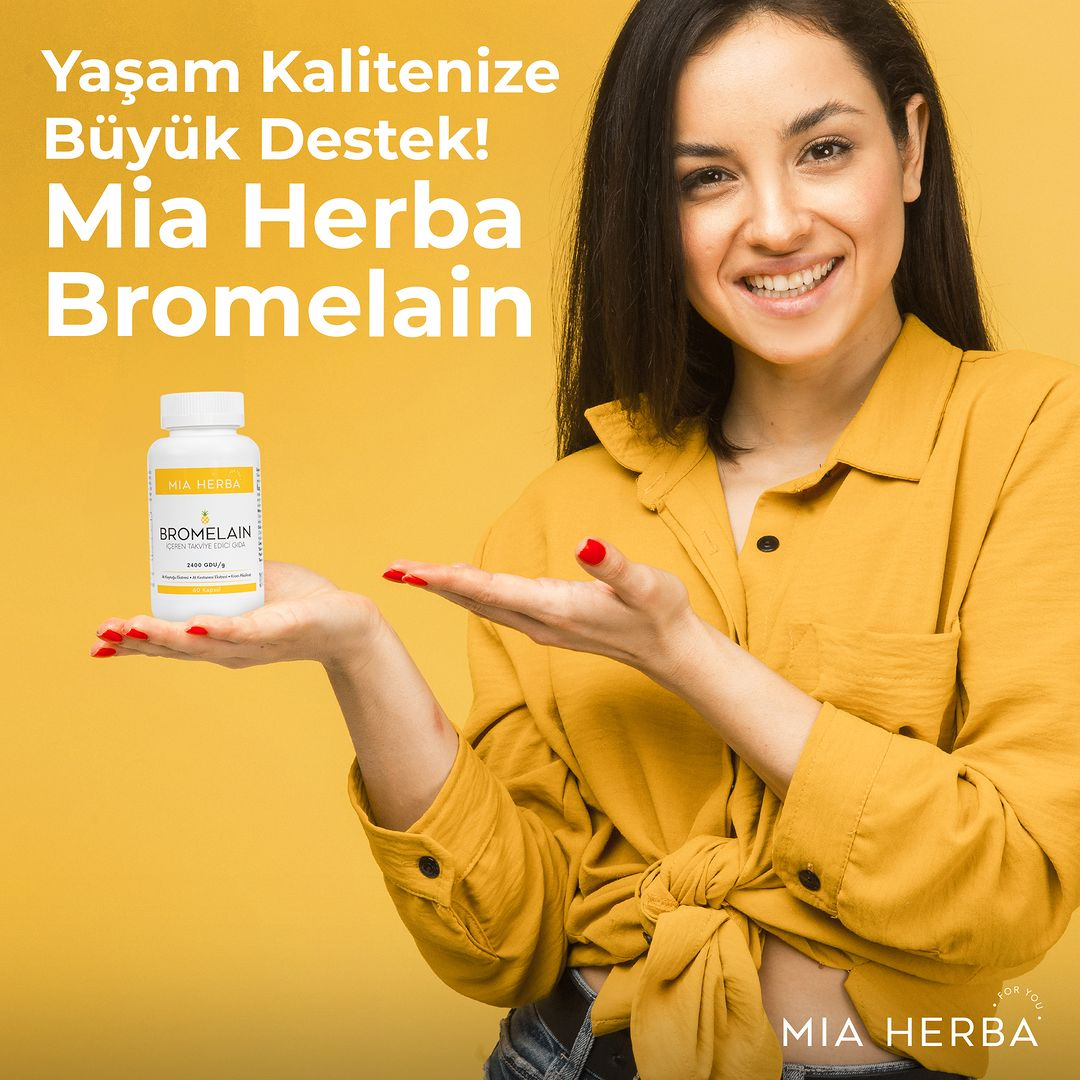
Bromelain is a pineapple-derived enzyme complex; quercetin is a flavonoid. The combo is used with the aim of supporting inflammatory/edema pathways and certain allergy-related mechanisms. Popular uses include upper-respiratory or sinus/alle…

Evidence is largely experimental; strong routine human evidence for broad “kidney protection” is limited. People with kidney disease are more vulnerable to dosing and purity issues due to reduced clearance. In CKD or abnormal creatinine/pro…

Yes—especially in the peel. Amounts vary by variety, growth, and storage. If you aim to increase dietary quercetin, consume well-washed apples with the peel and diversify with other plant foods (onions, capers, grapes, greens, tea). Whole-f…

There is no universal clinical recommendation. Thyroid physiology is sensitive, and supplements can complicate stability—especially if you take thyroid medication. For autoimmune thyroid disease, prioritize diagnosis, lab monitoring, and ev…

It is most discussed for allergy-related eye symptoms (itching/redness) rather than for chronic eye diseases. Some studies suggest benefits with certain forms, but it is not primary therapy for dry eye, retinal disease, or cataract. Eye hea…

Quercetin is not a stimulant like caffeine. Any “energy” effect is usually indirect—e.g., if inflammation or allergy symptoms improve. For persistent fatigue, prioritize root-cause evaluation (sleep, iron/B12/folate, thyroid, glucose swings…

Yes—some people experience nausea or GI discomfort, often dose- and sensitivity-dependent. Taking it with food, splitting doses, or choosing a different formulation may help. Excipients can also contribute. If symptoms persist, discontinue …

Human data exist, with some studies reporting symptom improvements, potentially via mast-cell and inflammatory pathway modulation. However, effects vary and quercetin should not replace evidence-based treatments (intranasal steroids, antihi…

Define a clear goal (seasonal allergy support vs general wellness). Screen safety (medications, bleeding risk, kidney/liver issues, pregnancy). Start low, titrate based on tolerance, and reassess after 2–4 weeks. Taking with food/splitting …

Combo products typically target metabolic support (berberine), immune/antioxidant support (zinc), and inflammation/allergy pathways (quercetin). The downside is harder attribution and higher interaction complexity. Berberine can interact wi…

Quercetin occurs naturally in plants; dietary intake is a safe starting point. Industrially, it is extracted from plant sources and purified. Quality depends on purity, contaminant testing, and manufacturing standards (e.g., GMP), not only …

Brand-specific effects depend on formulation and excipients, but common quercetin-supplement side effects include nausea, GI discomfort, headache, and rarely allergic reactions. Reflux/bloating may worsen in sensitive individuals. Interacti…

Both are polyphenols discussed for antioxidant/anti-inflammatory effects. Resveratrol is often framed around metabolic and vascular/endothelial topics; quercetin around allergy/inflammation modulation. Strong human evidence that “combining …

There is no official RDA because quercetin is a bioactive polyphenol, not an essential vitamin/mineral. Intake varies widely with diet. For supplements, think in terms of goal-specific dosing rather than “daily requirement.” Prioritize diet…

The exact mg varies by product version and country—verify the label and the manufacturer’s official listing. Milligrams alone do not define quality; form, purity testing, contaminant screening, and manufacturing standards matter more. Highe…

Across brands, quercetin is mainly discussed for supporting seasonal allergy symptoms, modulating inflammation, and antioxidant support—depending on formulation and co-ingredients. Some products combine vitamin C, bromelain, or zinc, which …

Pediatric supplementation requires extra caution due to weight-based dosing and different tolerability. While quercetin appears in some studied pediatric allergy formulations, it does not mean free use for all children. For allergy/asthma-l…