






What happens in the body during a 16-hour fast?
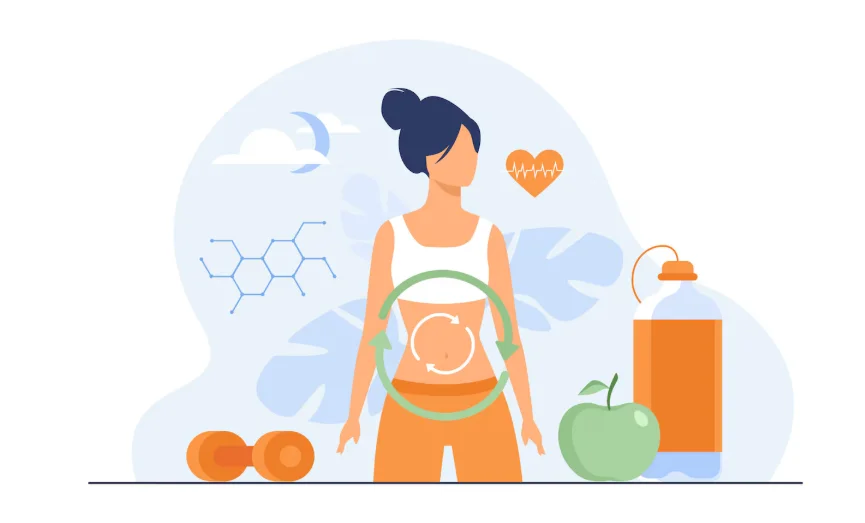
A 16-hour fast often initiates a gradual fuel shift: liver glycogen declines, insulin tends to drop, and the contribution of fatty acids (and sometimes ketones) rises. The speed and depth of this “metabolic switch” vary with the last meal, activity, muscle mass, and insulin sensitivity—so not everyone reaches the same biochemical state at 16 hours.
People may experience hunger waves, changes in focus, or mild headaches/irritability early on. Hydration and electrolytes matter because water loss can increase as insulin falls. Athletes may need careful training and protein planning to avoid fatigue. Those on diabetes medications require professional guidance due to hypoglycemia risk.