






What happens if you do intermittent fasting for a month?
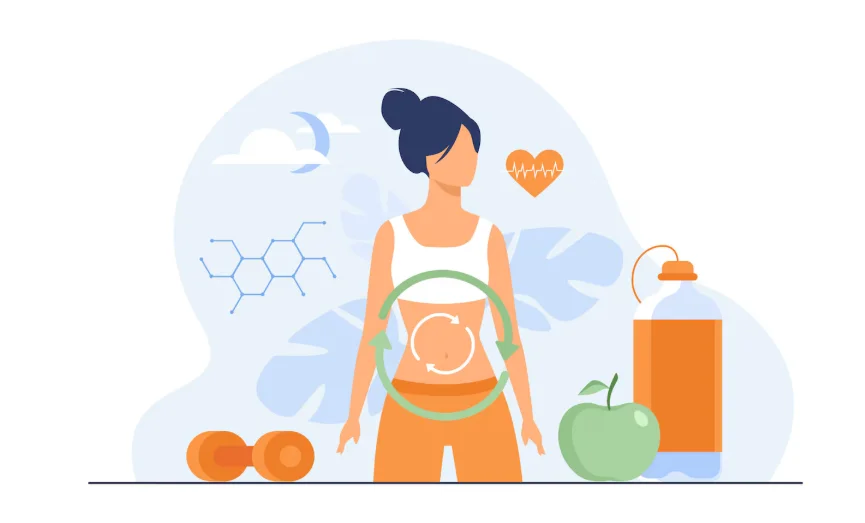
With consistent IF for a month (e.g., 14:10 or 16:8), many people develop more structured appetite and meal patterns, and some see reductions in weight/waist and improved glycemic stability. Studies show modest average weight and fat loss, but not consistent superiority over standard calorie restriction—so total energy intake and food quality remain decisive.
During adaptation (first 1–2 weeks), headaches, fatigue, constipation, or irritability can occur; hydration, fiber, and electrolytes help. Inadequate protein and inactivity raise lean-mass loss risk; resistance training and protein intake are important. If sleep worsens or stress rises, soften the window. Medical risk groups should plan month-long protocols with professional guidance.